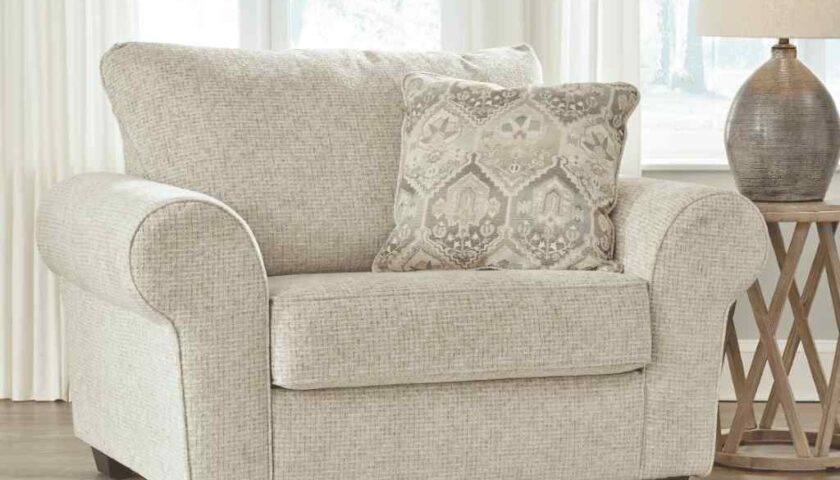

Gone are the days of perfectly matched furniture sets dictating our living spaces. Today, the most inviting and personality-packed homes are often those that artfully blend diverse furniture styles, eras, and textures. But how do you navigate the seemingly daunting task of mixing a sleek, modern sofa with a vintage armchair, or an industrial coffee table with a rustic bookshelf, without creating a chaotic jumble? The secret lies in understanding a few key design principles that can transform a potentially disparate collection of items into a harmonious and cohesive whole. This comprehensive guide will illuminate the path to confidently mixing and matching furniture, empowering you to create rooms that are uniquely yours and undeniably stylish.
The fear of “messing it up” often holds people back from experimenting with eclectic decor. However, a curated, mixed-and-matched approach allows for greater personal expression, sustainability through incorporating existing or vintage pieces, and a layered richness that cookie-cutter rooms can never achieve. By focusing on common threads like color, scale, and style, and by trusting your own evolving taste, you can create a space that tells your story.
Understanding the Core Principles: The Foundation of Cohesive Mixing
Before diving into specific room strategies, it’s crucial to grasp the fundamental concepts that underpin successful furniture mixing. These principles act as your guiding stars, ensuring that your eclectic choices sing in harmony rather than clash.
Finding a Common Thread: The Unifying Element
The most critical aspect of mixing furniture is identifying a unifying element that ties disparate pieces together. This “common ground” can manifest in several ways:
- Color Palette: This is often the easiest and most effective unifier. Choose a dominant color and a few secondary and accent hues. These colors can be repeated across different furniture pieces, textiles, accessories, and even artwork. For instance, if your vintage armchair has a touch of navy blue in its pattern, echo that navy in throw pillows on your modern sofa or in a piece of abstract art. A neutral backdrop (walls and large anchor pieces like a sofa or rug) can also provide a calm canvas for more varied furniture styles and colors to coexist peacefully.
- Material or Finish: Repeating materials or finishes can create a subtle yet powerful sense of connection. Perhaps several pieces share a similar wood tone (even if the styles are different – a mid-century walnut credenza could complement dark-stained traditional chair legs). Similarly, incorporating the same metal finish (like brushed brass or matte black) across lighting, table frames, and hardware can bind the room together.
- Style Silhouette or Form: Sometimes, pieces from different eras share similar lines or shapes. A curved art deco console might surprisingly complement the rounded edges of a contemporary sofa. Look for commonalities in the overall form – are pieces generally angular and clean-lined, or more ornate and curved? Finding a shared design DNA, even if subtle, can create an unexpected connection.
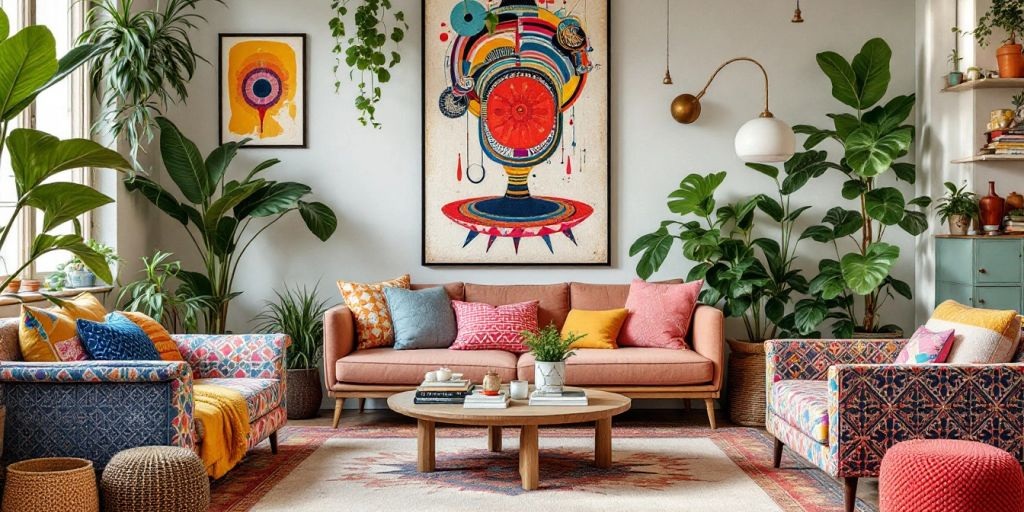
- Theme or Vibe: While not as tangible, an overarching theme or desired mood can also guide your choices. Are you aiming for a “bohemian chic” living room? This allows you to mix rustic wooden pieces with plush velvet, patterned textiles, and metallic accents, all united by the free-spirited, collected feel of the theme.
The 80/20 Rule: Dominance and Accent
A helpful guideline when mixing styles is the 80/20 rule. Let one style dominate the room (approximately 80% of the furniture and decor), and then introduce elements of a secondary, contrasting style as accents (the remaining 20%). For example, a largely contemporary living room could be enlivened by a couple of antique side tables or a vintage statement mirror. This prevents the room from feeling like a random assortment and provides a clear design direction while still allowing for interesting contrasts.
Mastering the Art of Balance and Proportion: Ensuring Visual Harmony
Beyond finding common threads, achieving visual balance and appropriate scale is paramount when mixing furniture.
Scale and Proportion: Size Matters
This is where many mixing attempts go awry. A colossal, overstuffed traditional sofa will likely dwarf a delicate, minimalist coffee table, creating an unsettling imbalance.
- Consider Room Size: The scale of your furniture should always be appropriate for the size of the room. Large, open-plan spaces can handle more substantial pieces, while smaller rooms benefit from more streamlined or leggy furniture that creates a sense of spaciousness.
- Visual Weight: Think about the visual weight of each piece – not just its physical size, but how heavy or light it appears. A dark, solid wood cabinet will have more visual weight than a glass and metal console table of the same dimensions. Aim for a distribution of visual weight throughout the room. If you have a heavy piece on one side, balance it with something of similar visual heft or a grouping of smaller items on the other side.
- Mixing Scales Deliberately: While general harmony in scale is good, sometimes a deliberate contrast can be effective if done thoughtfully. A large, modern piece of art can look stunning above a small, antique console. The key is intentionality and ensuring the contrast doesn’t feel accidental or awkward.
Balance: Symmetrical vs. Asymmetrical
- Symmetrical Balance: This creates a more formal and traditional feel, where items are mirrored on either side of a central axis (e.g., matching lamps on identical end tables flanking a sofa). While less common in highly eclectic schemes, elements of symmetry can still provide a sense of order.
- Asymmetrical Balance: This is often more dynamic and modern. Instead of identical items, you balance visual weight. For example, a sofa might be balanced by two smaller armchairs and a floor lamp on the opposite side. This approach allows for more flexibility when mixing different furniture pieces.
The Power of Texture and Pattern: Adding Depth and Interest
Texture and pattern are your secret weapons for adding richness, personality, and another layer of cohesion to a mixed-style room.
Layering Textures:
Mixing a variety of textures creates a tactile and visually stimulating environment. Think about combining:
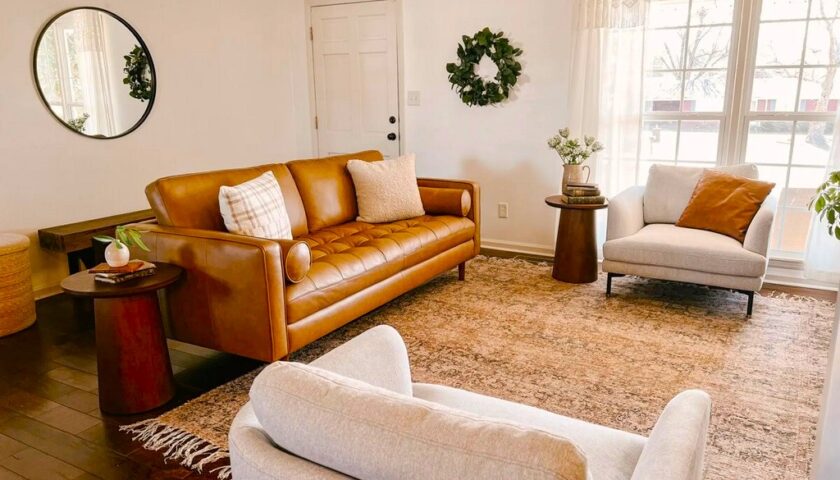
- Smooth and Rough: A sleek leather sofa with a chunky knit throw and a rough-hewn wooden coffee table.
- Hard and Soft: Metal or stone accents with plush velvet or linen upholstery.
- Natural and Man-made: Rattan or jute with acrylic or lacquered finishes.
These contrasts prevent the room from feeling flat and one-dimensional.
Playing with Patterns:
Introducing patterns can be a bold move, but when done correctly, it adds immense character.
- Vary Scale: Mix large-scale patterns with smaller, more intricate ones.
- Stick to Your Color Palette: Ensure the patterns share some common colors from your chosen scheme. This will help them relate to each other and the rest of the room.
- Balance with Solids: Don’t overwhelm the space with too many busy patterns. Use solid-colored furniture pieces or walls as a grounding element.
- Consider Pattern Styles: A traditional floral might work surprisingly well with a modern geometric if the colors are harmonious and they are used in different applications (e.g., floral curtains, geometric accent pillows).
Related: Oversized Chairs: The Ultimate Guide to Comfort and Style
Room-by-Room Strategies: Tailoring the Mix
While the core principles apply universally, each room has its own functional needs and opportunities for mixing and matching.
The Living Room: The Heart of the Mix
This is often the easiest place to experiment.
- Anchor with a Statement Sofa: Your sofa is typically the largest piece. It can be modern, traditional, or transitional. Its style can set the dominant tone.
- Vary Armchairs: This is where you can really have fun. Pair a contemporary sofa with a vintage wingback, a mid-century leather lounger, or a bohemian rattan chair. Ensure the seat heights are reasonably compatible for conversation.
- Coffee and Side Tables: Mix materials and styles. A rustic wooden coffee table can ground modern seating. Sleek metallic side tables can add a touch of glam to a more traditional setup.
- Bookshelves and Consoles: These offer opportunities to introduce different finishes or period styles. An antique credenza can serve as a media unit in a modern living room, or an industrial metal bookshelf can display treasures in a more classic space.
The Dining Room: A Feast of Styles
- Table as the Star (or a Supporting Player): You can choose a statement dining table (e.g., a chunky farmhouse table or a sleek glass one) and surround it with contrasting chairs, or opt for a simpler table and let the chairs be the more diverse element.
- Mismatched Chairs: This is a popular trend. You can have all different chairs, chairs in pairs, or just different head chairs. To make it cohesive, try to keep one element consistent: similar height, a common color (even if spray-painted), or a similar material (all wood, or all upholstered).
- Lighting as a Unifier: A striking pendant light or chandelier can tie the dining area together, regardless of the mix of table and chairs below.
The Bedroom: A Personal Sanctuary
- Bed as the Focal Point: The bed frame sets the stage. A vintage brass bed can be softened with modern, minimalist bedding, or a contemporary platform bed can be warmed up with antique nightstands.
- Nightstands: Perfect for Contrast: Don’t feel obligated to have matching nightstands. One could be a small antique chest, the other a sleek modern table, as long as their heights are practical and they offer the necessary surface area.
- Dressers and Seating: An antique dresser can add character to a modern bedroom. A contemporary armchair in a bold fabric can create a cozy reading nook alongside a traditional bed.
The Home Office: Productive Personality
- Desk Diversity: A modern minimalist desk can be paired with an ornate vintage chair (ensure it’s ergonomically sound for work!). Conversely, an antique writing desk can be updated with a sleek, modern task lamp and accessories.
- Storage Solutions: Mix open shelving with closed cabinets, perhaps combining industrial metal shelving with wooden file cabinets.
Common Mistakes to Avoid (And How to Fix Them)
- Too Much of Everything (The “Garage Sale” Effect): Overcrowding a room with too many disparate items without a clear unifying strategy will result in chaos. Fix: Edit ruthlessly. Every piece should have a purpose and contribute to the overall vision. Refer back to your core unifying element.
- Ignoring Scale and Proportion: As mentioned, tiny furniture in a vast room or oversized pieces in a small one will always look off. Fix: Measure your space and your furniture. Create a floor plan. Sometimes, simply removing or relocating one ill-fitting piece can make a huge difference.
- Lack of a Clear Focal Point: Without a focal point (a fireplace, a large piece of art, a statement furniture item), the eye doesn’t know where to rest, and the room can feel jumbled. Fix: Identify or create a focal point and arrange your furniture to highlight it.
- Forgetting Functionality: A beautiful room that doesn’t work for your lifestyle is a failed design. Fix: Always prioritize function. Ensure traffic flows easily, seating is comfortable, and surfaces are practical for their intended use.
- Being Too Timid or Too “Matchy-Matchy”: The goal is a curated collection, not a showroom floor or a random jumble. Fix: Don’t be afraid to experiment, but ensure there’s an underlying logic to your choices. If you’re starting with all matching furniture, try swapping out just one or two pieces (like the coffee table or accent chairs) to begin with.
- Ignoring the “Visual Temperature”: Mixing too many “cold” materials (like glass and metal) without balancing them with “warmer” elements (wood, plush textiles) can make a room feel uninviting. Fix: Strive for a balance of materials and textures to create a comfortable and welcoming atmosphere.
Related: Is Vintage Furniture Better?
Embrace the Evolution: Your Home, Your Story
Mixing and matching furniture is not about achieving a static, perfect state. It’s about creating a home that evolves with you, reflecting your changing tastes, experiences, and the stories of the objects you gather. The most beautiful interiors are those that feel authentic and deeply personal. So, trust your instincts, embrace the process of experimentation, and don’t be afraid to break a few outdated “rules.” Your perfectly imperfect, cohesively mixed home awaits.
People Also Ask FAQs
Q1: Can I mix very old antique furniture with very modern pieces?
A: Absolutely! This is often where the most dynamic and interesting interiors are born. The key is to find a way to bridge the gap. This could be through a shared color, a complementary shape, or by ensuring one style clearly dominates and the other serves as a deliberate accent. For instance, an ornate antique mirror can look stunning above a sleek, modern console. The contrast itself becomes a feature.
Q2: How many different wood finishes can I have in one room?
A: While there’s no hard and fast rule, it’s generally best to stick to 2-3 different wood finishes in a single space to maintain a sense of cohesion. Try to ensure they have similar undertones (e.g., all warm woods or all cool/ashy woods). If you have many different wood tones, using a large rug to ground the space and break up the expanse of wood can help, as can repeating one of the wood tones in smaller accessories.
Q3: What’s the best way to start if I’m scared of mixing furniture?
A: Start small and with a neutral base. If your main pieces (sofa, rug, walls) are neutral, it’s much easier to introduce one or two pieces in a different style as accents – perhaps a unique side table, a statement lamp, or some patterned throw pillows. You can also start by focusing on one unifying element, like a consistent color palette, which will give you more confidence to vary the styles of the furniture itself.
Q4: Do my metals have to match (e.g., all brass or all chrome)?
A: Not necessarily. Mixed metals are a current trend and can add a sophisticated, layered look. The trick is to do it intentionally. Choose one dominant metal and use others as accents. For example, if your main light fixtures are black, you could have brass picture frames or chrome details on a piece of furniture. Having at least one piece that combines the metals you’re using can also help tie them together.
Q5: How important are accessories in making mixed furniture look cohesive?
A: Extremely important! Accessories like throw pillows, blankets, rugs, artwork, curtains, and decorative objects are the “glue” that can pull a mixed-furniture scheme together. Use them to reinforce your color palette, introduce varied textures, and echo design elements (like a curve or a particular pattern) found in your larger furniture pieces. They are also an easy and relatively inexpensive way to experiment with different looks.
Q6: Is it okay if my living room furniture style is different from my dining room style, even if they are somewhat open to each other?
A: Yes, it’s perfectly fine to have distinct styles in different “zones” of an open-plan space. However, to ensure a sense of flow and overall cohesion in the home, try to have at least one or two elements that carry through. This could be a consistent wall color, the same flooring, a shared accent color used in both areas, or a similar level of formality or informality. Transitional pieces placed near the boundary of the two zones can also help to create a smoother visual shift.
Conclusion: Curate, Don’t Just Decorate
Learning how to mix and match furniture is less about following rigid rules and more about developing your eye and trusting your creative intuition. It’s an invitation to curate a home that is a true reflection of your personality, your history, and your aspirations. By understanding the principles of color, scale, balance, texture, and the importance of a unifying thread, you can move beyond the safe confines of matching sets and create spaces that are not only cohesive and functional but also deeply personal, character-filled, and endlessly interesting. So, dare to mix, have fun with the process, and watch as your rooms transform into truly unique and inspiring environments.