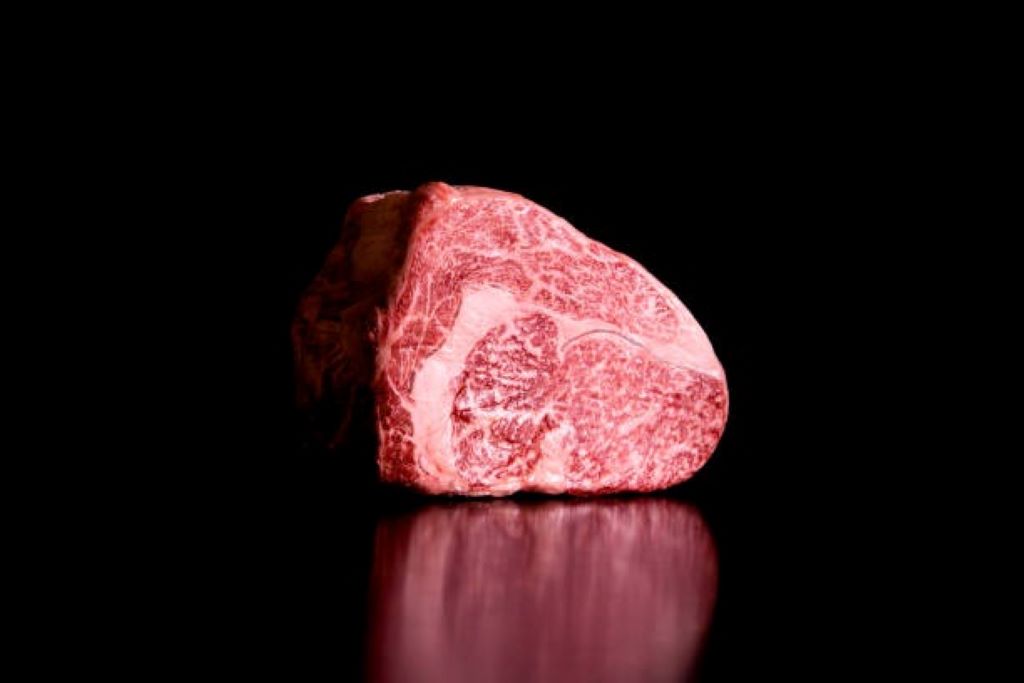
You have purchased a cut of Japanese A5 Wagyu. It is, without a doubt, the most luxurious beef in the world. The marbling looks like an intricate web of delicate fat, and the price tag reflects its quality. Now, you face the ultimate challenge: cooking it. The fear of ruining such an expensive piece of meat is real. This is not just another steak; it is an experience, one you might find at a top-tier restaurant like Houston Bamboo House. However, with the right knowledge, you can prepare this delicacy perfectly in your own home.
This guide is designed for beginners. We will walk you through the simple, essential steps to honor the beef and deliver an unforgettable meal. Forget everything you know about cooking a standard ribeye or New York strip. A5 Wagyu follows a different set of rules.
What Makes A5 Wagyu So Different?
Before we turn on the heat, we must understand why this beef is unique. The “A5” designation is the highest grade awarded by the Japanese government. “A” refers to the yield (how much beef is usable from the cow), and “5” is the top score for quality, which includes marbling, color, texture, and fat quality.
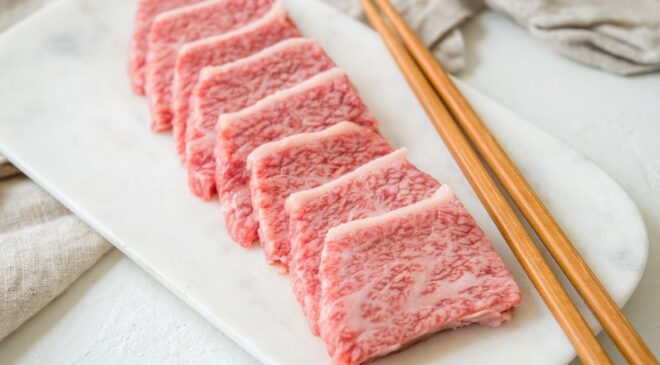
The defining feature is the sashi, or marbling. This is not the thick-cut fat you find on the edge of a steak. It is intramuscular fat, woven directly into the muscle fibers. This delicate, web-like fat has a melting point much lower than regular beef fat—it can begin to soften at just 77°F (25°C). This is precisely why the art of cooking a5 wagyu is less about “cooking” and more about “gently warming and searing.” The goal is to melt that precious fat just enough so it bathes the muscle fibers in flavor, creating a buttery, melt-in-your-mouth texture that is impossibly rich.
Before You Cook: Essential Preparation
Your success is determined before the steak ever hits the pan. Do not skip these crucial preparation steps.
Thawing Your Wagyu (The Right Way)
Most A5 Wagyu is sold frozen to preserve its quality during transit. How you thaw it is critical.
- The Best Method: Place the vacuum-sealed steak in your refrigerator on a plate. Allow it to thaw slowly for 24 to 48 hours, depending on its thickness. This slow, gentle thaw keeps the cell structure intact and prevents moisture loss.
- The “In a Pinch” Method: If you are short on time, you can place the still vacuum-sealed steak in a bowl of cold water. Change the water every 30 minutes until it is thawed.
- What to Avoid: Never, ever thaw A5 Wagyu in a microwave or with hot water. This will begin to cook the beef unevenly and will melt and “sweat out” the precious fat before you even start cooking.
The Room Temperature Myth
With traditional steaks, chefs advise letting them sit out to come to room temperature. You must do the opposite for A5 Wagyu.
Because the fat melts at such a low temperature, letting it sit on your counter will make the steak soft, mushy, and difficult to handle. More importantly, the fat will begin to render out before it hits the pan.
For the best results, take your A5 Wagyu out of the refrigerator, pat it dry, and season it immediately before cooking. Cooking it cold helps you achieve a beautiful, caramelized crust on the outside while the inside gently warms to a perfect rare or medium-rare.
Seasoning: Less is More
You did not pay a premium for the world’s best beef just to cover it up. The flavor of A5 Wagyu is complex, rich, and nutty. Your seasoning should only enhance it, not mask it.
All you need is a light sprinkle of high-quality flaky sea salt, like Maldon. Apply the salt right before you place the steak in the pan. Adding salt too early can draw moisture out of the beef.
What about pepper? Most purists add freshly ground black pepper after cooking. Pepper can burn and become bitter in a very hot pan, which could interfere with the pure flavor of the Wagyu. Absolutely avoid heavy-handed rubs, marinades, or garlic powder.
The Best Ways to Cook A5 Wagyu for Beginners
First, a crucial mindset shift: A5 Wagyu is not a “main course” steak. You do not eat a 16-ounce A5 ribeye by yourself. Its richness is so intense that it is best enjoyed in small, two-to-three-ounce portions.
The Golden Rule: Small Portions
The best way to handle A5 Wagyu, especially for a beginner, is to not cook the steak whole.
- Take your cold, thawed steak and pat it completely dry with paper towels. A dry surface is essential for a good crust.
- Trim off a small piece of the fat from the edge of the steak. You will use this to oil the pan.
- Cut the steak into small strips, about one-inch wide. For thicker cuts like a filet, you can cut them into one-inch cubes.
Cooking the beef in small pieces allows you to achieve a perfect sear on all sides very quickly. This method gives you maximum control and ensures that you do not overcook the delicate center.
Pan-Searing (The Recommended Method)
This is the most reliable and traditional way to experience A5 Wagyu.
The Pan: Use a stainless steel or cast-iron skillet. Avoid non-stick pans, as they typically cannot reach the high, stable temperature needed for a proper sear without damaging the coating.
The Fat: You do not need oil or butter. Remember that small piece of fat you trimmed off? That is your cooking fat.
The Process:
- Place your stainless steel or cast-iron pan over medium-high heat. Let it get very hot.
- Once the pan is hot, place the small piece of Wagyu fat in the skillet. Move it around as it renders (melts) to lightly coat the bottom of the pan. This pure, rendered Wagyu fat is the best possible cooking medium for the beef. Remove the solid piece of fat once the pan is coated.
- Gently place your cold Wagyu strips or cubes into the hot pan. You should hear a strong, confident sizzle. Do not overcrowd the pan; cook in batches if necessary.
- This is a fast process. Sear the pieces for approximately 45-60 seconds on the first side. You are looking for a deep, brown, caramelized crust.
- Flip the pieces and sear the other side for another 30-45 seconds. For cubes, you can quickly sear all sides.
- The goal is a beautiful crust on the outside and a center that is rare to medium-rare. The internal fat should be melting and glistening, but the beef should not be cooked through. Overcooked A5 Wagyu becomes tough and greasy, as all the delicate fat renders out.
- Remove the pieces from the pan immediately and serve.
Other Methods (Use with Caution)
- Grilling: This is generally not recommended for beginners. The immense amount of melting fat from A5 Wagyu will cause massive flare-ups on a traditional grill. This will coat your expensive steak in a sooty, burnt flavor. If you must grill, you need a solid, flat surface like a teppanyaki griddle or a cast-iron grill plate.
- Sous Vide: This method involves cooking the beef in a temperature-controlled water bath. While popular, it can be tricky with A5. Because the fat renders at such a low temperature, a long sous vide bath can sometimes render too much fat, leaving a slightly less juicy product. If you choose this path, use a low temperature (around 129°F / 54°C) for a short time (1-2 hours) and then finish with a very fast, very hot sear.
Serving and Pairing Your A5 Wagyu
You’ve cooked it perfectly. Now, how do you serve it?
To Rest or Not to Rest?
Unlike a thick-cut American steak, A5 Wagyu does not need a long resting period. The muscle fibers are not as dense, and the fat is the main event. A long rest will cause the delicate fat to cool and congeal, which is not a pleasant texture.
A rest of one to two minutes is more than enough. It is best served immediately, while the crust is crisp and the internal fat is warm and melted.
Simple Sides are Best
Remember, the Wagyu is the star. Your side dishes should be simple complements, not competitors. The goal is to provide a contrast to the beef’s incredible richness.
- Good Pairings: Simple steamed white rice, a light salad with a sharp vinaigrette, lightly sautéed asparagus or mushrooms, or a small dab of real wasabi.
- Bad Pairings: Anything heavy or rich. Avoid buttery mashed potatoes, creamed spinach, or heavy cream-based sauces. This is simply too much richness and will overwhelm your palate.
What to Drink
To cut through the richness, you need a drink with some structure.
- Wine: A bold Cabernet Sauvignon can work, but its heavy tannins can sometimes clash with the delicate fat. A more elegant choice is often a high-quality Pinot Noir or even a structured Syrah.
- Sake: A crisp, dry Junmai Sake is a classic and beautiful pairing that cleanses the palate.
- Whisky: A fine Japanese whisky, served neat or with a single ice cube, is also an excellent companion.
Common Mistakes Beginners Make
- Overcooking: This is the number one sin. Anything past medium-rare is a waste of the beef’s potential. Cook it hot, cook it fast.
- Over-seasoning: Hiding the nuanced flavor with too much salt, pepper, or (worst of all) steak rub.
- Cooking it Whole: Treating a 12-ounce A5 steak like a T-bone and cooking it whole often leads to an overcooked exterior and a cold, raw interior. Slicing it first gives you total control.
- Using the Wrong Pan: A non-stick pan will not get hot enough for a good crust.
- Grilling Over Open Flames: This results in flare-ups that will ruin the flavor.
Conclusion
Cooking Japanese A5 Wagyu is a lesson in restraint. It is not about complex techniques or fancy ingredients. It is about respecting the product for what it is.
The key takeaways are simple: keep the beef cold, cut it into small pieces, use a very hot stainless steel or cast-iron pan, and sear it quickly. Season only with salt, and serve it immediately with simple sides.
If you follow these steps, you will not ruin your steak. Therefore, you can confidently transform that intimidating, expensive cut of beef into one of the most memorable culinary experiences of your life. Do not be afraid of it. Embrace the simplicity, and enjoy every single, buttery bite.
Frequently Asked Questions (FAQs)
-
Why is A5 Wagyu so expensive?
A5 Wagyu comes from a specific breed of Japanese cattle (Kuroge Washu) raised under incredibly strict, quality-controlled standards. The grading (A5) is the absolute highest possible, reserved for beef with supreme marbling, color, and texture. This rarity, combined with the high cost of raising the cattle, results in its premium price.
-
What is the best pan for cooking A5 Wagyu?
A stainless steel or cast-iron skillet is best. These materials can be heated to very high temperatures and will retain that heat, which is essential for creating a fast, brown crust (Maillard reaction) without overcooking the inside.
-
Should I use oil or butter to cook A5 Wagyu?
Neither. A5 Wagyu is so intensely marbled that it provides its own fat. Simply trim a small piece of fat from the steak itself and use it to render in the hot pan. This is the purest and most traditional way to cook it.
-
What does A5 Wagyu taste like?
It is difficult to describe. The texture is incredibly tender, buttery, and melts in your mouth. The flavor is intensely rich, savory (umami), and slightly sweet, with a complex, nutty finish that lingers. It is significantly richer than any steak you have likely had before.
-
What is the difference between Wagyu and Kobe beef?
This is a common point of confusion. “Wagyu” means “Japanese Cow” and refers to four specific breeds. “Kobe” beef is a type of Wagyu. To be called Kobe, the beef must come from the Tajima-gyu breed, be born, raised, and processed in Japan’s Hyōgo Prefecture (of which Kobe is the capital), and meet specific, very high-quality standards. Therefore, all Kobe is Wagyu, but not all Wagyu is Kobe.
Related Topics:
Can You Freeze Water Chestnuts? The Ultimate Guide
Eleven ideas of design kitchen, modern and the latest