
Introduction to Modern Roofing Solutions
Recent advancements in roofing technology have given businesses and homeowners access to a broader variety of long-lasting, cost-effective, and visually beautiful solutions. Contemporary roofing solutions combine practicality and design with cutting-edge installation techniques and energy-saving materials. As technology develops, we may anticipate even more cutting-edge roofing alternatives appearing in the future. Predictive monitoring technologies, for instance, are already being used to detect potential roof issues before they escalate, saving homeowners time and money on repairs.
The Benefits of Sustainable Roofing Materials
Sustainable roofing materials are made to safeguard your property for a long time while having the most minor adverse environmental effects. These materials can be recycled at the end of their useful lives and often contain recycled components. For example, metal roofs can have up to 95% recyclable content and can be recycled once more when they need to be replaced. Using sustainable roofing materials also reduces the urban heat island effect, helping to lower cooling costs and improve overall energy efficiency. Furthermore, such materials are increasingly being incorporated into eco-friendly building practices that aim to reduce the carbon footprint of homes.
Energy-Efficient Roofing Options
Energy-efficient roofing options are designed to manage heat transfer effectively, reducing the need for artificial heating and cooling. Materials like reflective metal roofs, cool roofs, and green roofs excel in this area by reflecting more sunlight and absorbing less heat. Reflective roofs can reflect up to 85% of the sun’s heat, significantly reducing the indoor temperature during hot months. These roofing solutions contribute to lower energy bills and enhance indoor comfort. Investing in energy-efficient roofing can lead to substantial savings over the roof’s life, making it an attractive option for modern homeowners. Moreover, these roofs often qualify for tax credits and incentives, further enhancing their affordability.
Top Durable Roofing Types for Longevity
Metal, tile, and high-tech synthetic materials are durable roofing options that withstand harsh weather conditions and last for over 50 years with proper maintenance. Tile roofs, such as slate or clay, offer strong protection and a visually appealing appearance, making them well-suited for hot climates. Composite shingles, made of advanced synthetic material, imitate the look of traditional materials while enhancing durability and resistance to environmental factors like moisture and UV rays. These materials are particularly suitable for homes in hot climates.
The Importance of Proper Roof Maintenance
Maintaining your roof correctly is essential in extending its lifespan and avoiding expensive repairs. Frequent inspections help find possible problems like wear and tear spots, broken shingles, and leaks. Regular maintenance procedures, such as clearing debris from gutters, quickly fixing minor faults, and cleaning gutters, can help prevent more serious issues. For example, blocked gutters might result in water backing up beneath the roof, which can cause leaks and internal water damage. Proper roof maintenance can result in problems like structural degradation, mold growth, and water damage. As a result, keeping up with regular maintenance can save you money and extend the roof’s lifespan.
Innovative Roofing Technologies
The roofing industry embraces new technologies to offer more innovative, more efficient solutions. Smart roofs, integrated with sensors, provide real-time data on roof conditions, allowing for predictive maintenance and timely interventions. This can help detect leaks and structural weaknesses before they become significant issues. Solar roofs, equipped with photovoltaic cells, generate electricity and contribute to energy savings, with some systems allowing homeowners to store excess energy or sell it back to the grid. Green roofs, covered with vegetation, offer improved insulation, reduced stormwater runoff, and enhanced urban biodiversity. These technological advancements transform roofs into multifunctional assets that contribute to environmental sustainability and energy efficiency.
Climate Considerations When Choosing Roofing Materials
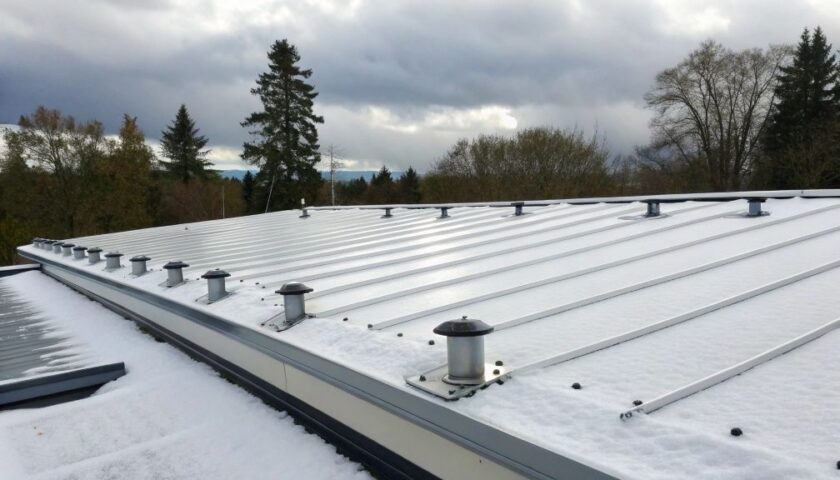
Various climates place different requirements on roofing materials. For example, residences in regions that receive a lot of snowfall need roofs with a steep pitch made of materials like slate or metal that can support the weight of the snow. The purpose of these roofs is to dislodge snow and avoid ice blockages. On the other hand, heat-reflective materials work better in hot climates, such as cool roofs or clay tiles. Selecting heat-resistant materials extends the roof’s life because high heat can accelerate the deterioration of some materials. Knowing your home’s climate-specific requirements will help you choose the most long-lasting roofing material for maximum longevity and performance.