Key Takeaways:
- Regular septic system maintenance prevents costly repairs and ensures a healthy environment.
- Understanding the signs of potential issues can help you address problems early.
- Proper waste management and water usage are critical for the longevity of your septic system.
- Professional septic pumping services are recommended every 3-5 years.
Proper septic system maintenance includes regular inspections, avoiding excess water usage, and preventing harmful substances like grease, chemicals, or non-biodegradable items from entering the system. Pumping the tank every 3-5 years and maintaining the drain field ensures efficiency, extending the system’s lifespan and preventing costly repairs.
Why Septic System Maintenance Matters
A well-maintained septic system is essential for both homeowners and the environment. Septic systems effectively treat household wastewater, preventing groundwater contamination and local water bodies. Investing in professional septic pumping services ensures your system operates efficiently, minimizing the risk of costly repairs. Regular maintenance also saves homeowners thousands of dollars by avoiding significant issues. Proper septic care contributes significantly to the longevity of the system and the protection of the surrounding environment. The system can become overwhelmed without rest, leading to potential hazards and environmental impacts.
Signs Your Septic System Needs Attention
A failing septic system can damage your property and the environment. Signs of trouble include slow-draining sinks, sewage backups, unpleasant odors, and unusually green areas in your yard. Slow drainage may signal blockages or a full tank, while backups pose health risks, odors suggest escaping gases, and green patches indicate effluent leakage. Immediate consultation with a professional is essential to address these issues and prevent further damage, especially for septic system repair.
The Importance of Professional Septic Pumping
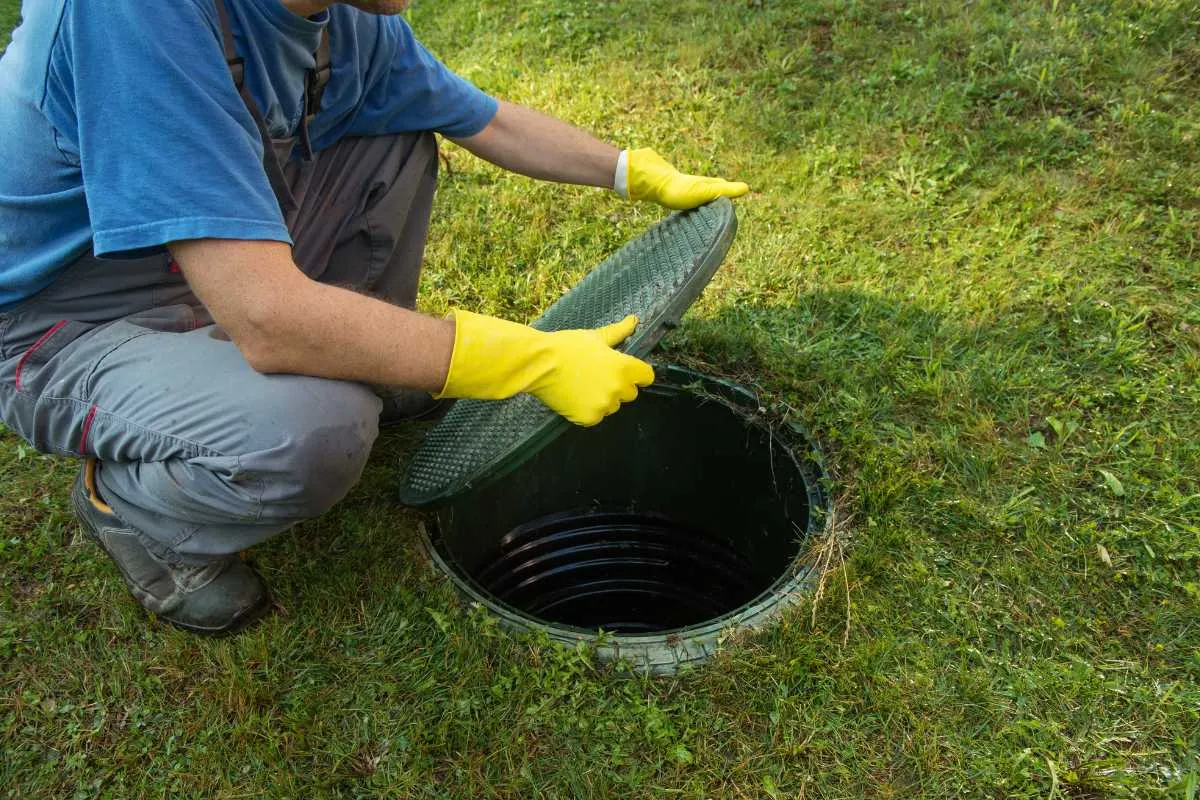
Professional septic pumping services should be carried out every three to five years to clear accumulated sludge and avoid obstructions that might compromise the system’s performance. Regular pumping ensures that your system operates efficiently, which prolongs its lifespan and reduces wear and tear. The Environmental Protection Agency (EPA) provides guidelines on how to care for your septic system and emphasizes the importance of regular pumping. Ignoring this critical maintenance step can lead to severe issues such as system overflows, backups, and even total system failures, which can be extremely costly to repair. A well-timed septic pumping can save you from these disasters, ensuring smooth operation and protecting your investment.
Best Practices for Septic System Care
- Limit Water Usage: Excessive water use can overwhelm your septic system. Spread laundry and dishwashing loads, fix leaks promptly, and install water-saving fixtures. Water conservation helps maintain the health of your septic system, reduces your water bills, and supports environmental sustainability.
- Proper Waste Disposal: Avoid flushing non-biodegradable items, grease, or harmful chemicals down the drain. These materials can cause blockages, harm beneficial bacteria in your tank, and even lead to system failure. Always dispose of waste responsibly and consider what is going into your drains.
- Regular Inspections: Professional septic pumping services should be performed every three to five years to clear accumulated sludge and avoid obstructions that might compromise the system’s performance.
Environmental Benefits of a Well-Maintained Septic System
Maintaining your septic system benefits your property and the surrounding environment. Septic systems that are operating correctly lower the possibility of groundwater pollution, shielding nearby ecosystems from dangerous chemicals and diseases. The Centers for Disease Control and Prevention (CDC) states that keeping your septic system maintained is essential to avoiding harmful germs from entering sources of drinking water. This, in turn, supports public health and protects wildlife habitats. A well-managed septic system also prevents the release of untreated sewage into the environment, which can have devastating ecological impacts.
DIY Maintenance Tips
Professional services are crucial for septic system health and longevity, but homeowners can also maintain their systems through simple maintenance tasks. Regular cleaning of lint filters, using septic-safe products, and avoiding excessive garbage disposal contribute to a healthy system. Regular monitoring of water usage, avoiding harmful chemicals, and being mindful of waste disposal can prolong the system’s life and efficiency, preventing costly issues in the future.
When to Call a Professional
Some septic system issues require immediate professional attention to prevent severe damage and costly repairs. Contact a septic professional immediately if you experience sewage backups, persistent foul odors, or pooling water in your yard. Postponing repairs may result in worse damage and more expenses. Professionals possess the skills and resources to spot issues quickly, enabling your system to operate at its best.
Conclusion: Prioritize Your Septic System’s Health
Regular maintenance and mindful septic system usage can prevent costly repairs and environmental hazards. By realizing the value of expert services and implementing best practices into everyday routines, you can maintain the lifetime and effectiveness of your septic system, promoting a healthy home environment and the larger ecosystem.