
Key Takeaways
- About 70% of homeowners go over budget on their most recent renovation.
- More than half of homeowners regret at least one part of a recent project.
- Poor workmanship is the top cause of renovation regret.
- Rushed decisions and skipped planning often lead to costly mistakes.
- Simple planning steps can prevent most common renovation problems.
Home improvement projects often promise excitement and fresh results. However, many homeowners end up disappointed by avoidable mistakes. As highlighted by home improvement experts at BeReviewers.com, poor planning, rushed decisions, and budget overruns are surprisingly common pitfalls that derail renovation goals. Fortunately, understanding these mistakes helps you avoid repeating them. In this article, we will explore common home improvement mistakes and how to avoid them. We will also share useful statistics, practical tips, and answers to common questions.
Why Renovation Mistakes Happen So Often
Home improvement mistakes are more common than most homeowners expect. Many projects start with excitement but end with frustration. Understanding why this happens helps prevent similar problems in future projects.
Budget overruns remain one of the most frequent issues. About 70% of homeowners went over budget on their most recent renovation. This shows how often initial cost estimates fall short of reality. Additionally, unexpected expenses often appear midway through a project.
Regret is also surprisingly widespread among homeowners. 58% of homeowners say they regret at least one aspect of a recent project. This regret usually involves cost, timeline, or unexpected disruption to daily life. Therefore, mistakes are not always about poor design choices alone.
Many homeowners also face significant challenges during renovations. 83% of homeowners faced challenges during their project, with budget issues topping the list. Consequently, problems tend to compound when early planning is incomplete or rushed.
Understanding these patterns helps set realistic expectations before starting a project. Renovation mistakes usually stem from predictable causes, not bad luck. Therefore, careful planning can prevent many of the most common problems homeowners experience.
Mistake 1: Underestimating the Budget
Budget mistakes remain the most common renovation problem homeowners face. Many people underestimate costs before a project even begins. This often leads to financial stress partway through construction.
Debt has become a common consequence of poor budgeting. Nearly two-thirds of homeowners have gone into debt for renovations. Additionally, many homeowners who used credit later express regret about that decision. This shows how quickly budget mistakes can snowball into bigger problems.
Unexpected costs frequently derail otherwise well-planned projects. Some homeowners even have to pause projects midway due to rising expenses. This disruption often affects daily life significantly, especially for larger renovations involving kitchens or bathrooms.
Fortunately, better planning can reduce these risks considerably. Building in a financial cushion before starting helps absorb unexpected costs. Additionally, researching realistic price ranges beforehand prevents unpleasant surprises later.
Here are simple ways to avoid budget mistakes:
- Add a 15% to 20% buffer to your initial budget.
- Get multiple quotes before choosing a contractor.
- Avoid financing decisions made under time pressure.
- Track spending weekly throughout the entire project.
Careful budgeting remains one of the most effective ways to avoid renovation regret.
Mistake 2: Rushing Important Decisions
Rushed decisions often lead to costly renovation mistakes. Many homeowners feel pressure to move quickly, especially during active construction. However, this urgency frequently results in poor long-term choices.
Rushed decisions are a major driver of regret among homeowners. About a third of regretful homeowners admit their decisions were made too hastily. This shows how easily time pressure can compromise good judgment during a project.
Poor workmanship often follows rushed decision-making as well. Half of homeowners who experienced regret say the actual work simply wasn’t done properly. This suggests that skipping careful vetting of contractors can lead to lasting problems.
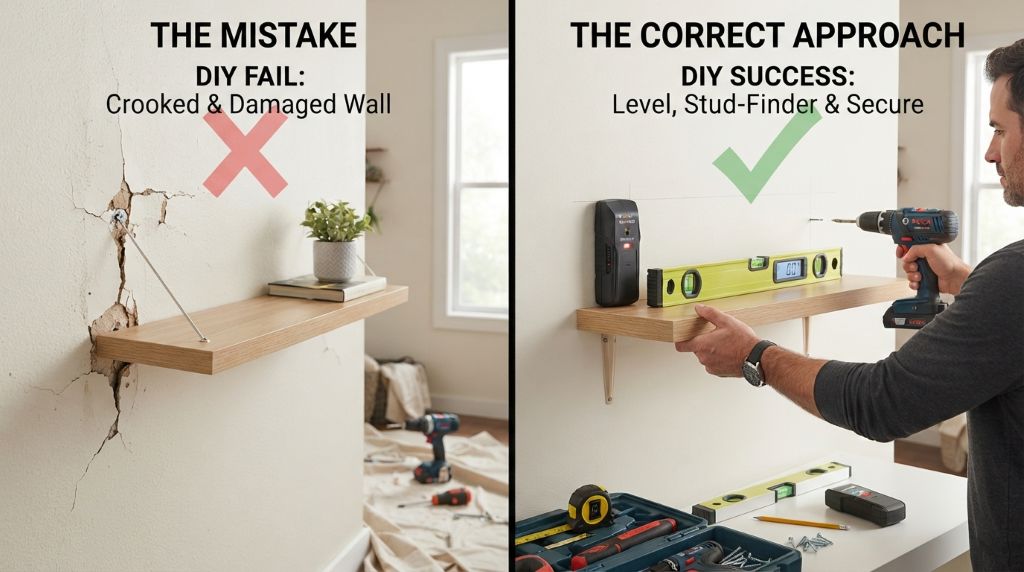
DIY projects also suffer when decisions happen too quickly. Nearly a third of regretful renovators blame failed DIY attempts for their frustration. Therefore, rushing complex tasks without proper research often backfires.
Slowing down during key decision points helps prevent these issues. Taking extra time to research materials, contractors, and layouts pays off significantly. Additionally, avoiding last-minute changes reduces confusion and costly errors during construction. Patience, more than speed, tends to produce better renovation outcomes overall.
Mistake 3: Choosing the Cheapest Option
Choosing the cheapest available option often backfires during renovations. While saving money seems appealing, low-cost choices sometimes lead to bigger problems later. Therefore, price should not be the only factor in decision-making.
Many homeowners regret prioritizing cost over quality. Roughly 22% of regretful homeowners say choosing the cheapest option backfired on them. This often involves lower-quality materials or inexperienced contractors chosen purely for price.
Cutting corners with cheaper materials can also increase long-term costs. Lower-quality products often wear out faster, requiring earlier replacement. Consequently, homeowners sometimes spend more over time despite initial savings.
Contractor selection follows a similar pattern. Choosing the lowest bid without checking experience or reviews can lead to poor workmanship. Therefore, evaluating contractors on quality, not just price, helps prevent future headaches.
Here are quick tips for avoiding cost-related mistakes:
- Compare quality, not just price, when reviewing quotes.
- Check contractor reviews and past project photos carefully.
- Choose mid-range materials known for durability.
- Avoid the lowest bid without verifying experience first.
Balancing cost with quality leads to better long-term renovation satisfaction.
Mistake 4: Skipping Proper Planning and Measurements
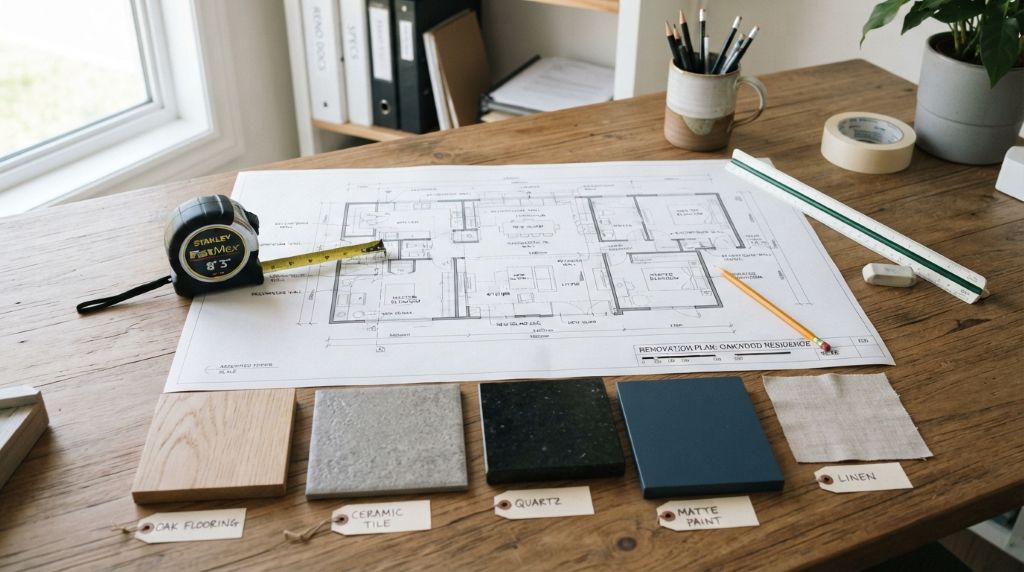
Poor planning is another common source of renovation regret. Many mistakes stem from insufficient measuring or visualizing the finished space beforehand. This often leads to layouts that do not function well in daily life.
Measurement issues affect a meaningful share of homeowners. About 14% of regretful renovators say they didn’t measure or visualize their space well enough. This can result in furniture that doesn’t fit or awkward room layouts.
Practical details often get overlooked during planning as well. Power socket placement is a frequently cited regret among homeowners. Missing outlets near bathrooms or kitchens can cause daily inconvenience long after construction ends.
Design choices sometimes clash with practical needs too. Around 16% of regretful homeowners say they chose something trendy that wasn’t practical. This shows the importance of balancing style with everyday functionality.
Here are simple planning steps to avoid these mistakes:
- Measure every space carefully before finalizing layouts.
- Plan electrical outlets based on real daily habits.
- Prioritize function alongside style during design decisions.
- Visualize the finished space using photos or digital tools.
Thorough planning prevents many frustrating, avoidable mistakes after construction is complete.
Mistake 5: Ignoring Contractor Vetting
Choosing the wrong contractor can derail an otherwise well-planned renovation. Many homeowners underestimate how much vetting matters before hiring. This oversight often leads to poor communication and disappointing results.
Contractor issues remain a notable source of regret. About 10% of homeowners specifically regret choosing the wrong contractor for their project. Additionally, poor workmanship, often tied to contractor choice, is the single biggest driver of overall regret.
Communication problems frequently accompany poor contractor choices. Misunderstandings about timelines or expectations can create unnecessary stress during a project. Therefore, clear communication should be established before work even begins.
Checking credentials and past work matters significantly. Homeowners should review licensing, insurance, and previous project examples carefully. Additionally, speaking with past clients can reveal reliability issues before they become your problem.
Here are quick tips for better contractor vetting:
- Verify licensing and insurance before signing any contract.
- Request references from at least three previous clients.
- Review photos of completed, similar projects beforehand.
- Confirm timelines and payment schedules in writing upfront.
Careful vetting significantly reduces the risk of workmanship-related regret later.
How to Plan a Smoother Renovation
Avoiding common mistakes requires a proactive, structured approach from the very beginning. Rather than reacting to problems, careful planning prevents many issues before they start. This mindset shift makes a significant difference in overall project success.
Start by researching realistic costs for your specific project type. Understanding typical price ranges helps set an accurate, achievable budget. Additionally, building in a financial cushion protects against unexpected expenses along the way.
Take time during the design phase as well. Rushing through decisions increases the risk of regret later. Therefore, slowing down during planning, even when eager to start, usually pays off.
Vetting contractors thoroughly remains essential throughout this process. Strong communication and verified experience prevent many workmanship-related problems. Additionally, checking references helps confirm reliability before committing to a contractor.
Here is a simple planning checklist to follow:
- Research realistic costs and set a buffered budget.
- Measure and visualize your space thoroughly beforehand.
- Vet multiple contractors before making a final decision.
- Avoid rushed decisions, even under time pressure.
- Prioritize durable, practical materials over trends alone.
Following this structured approach significantly reduces the risk of common renovation mistakes.
Conclusion
Home improvement mistakes are common, but they are also largely avoidable. Budget overruns, rushed decisions, and poor contractor choices account for most renovation regret. Careful planning, thorough research, and patience help prevent these frustrating outcomes. Exploring cozy minimalist home decor ideas can also help homeowners create a comfortable, functional space without unnecessary spending. Prioritizing quality over speed or price leads to far better long-term satisfaction.
As renovation costs continue rising, avoiding costly mistakes matters more than ever. Take time to plan thoroughly before starting your next project. A little patience now can save significant money and stress later.
Frequently Asked Questions
What is the most common home renovation mistake?
Going over budget. About 70% of homeowners exceed their planned renovation budget.
Why do rushed renovation decisions often lead to regret?
Rushing skips important research and vetting steps, increasing the risk of poor-quality results.
Is choosing the cheapest contractor always a mistake?
Not always, but it often backfires. Quality and experience matter more than price alone.
How can I avoid measurement-related renovation mistakes?
Measure carefully and visualize your finished space before finalizing any layout or design.
What is the best way to avoid contractor-related problems?
Verify licensing, check references, and review past project photos before hiring anyone.