
Gardening is a rewarding endeavor, but dealing with pests can be a real thorn in your side. Before you reach for the chemical pesticides, consider a more natural and sustainable approach: inviting beneficial insects to your garden. These tiny creatures are nature’s pest control, and they can help you maintain a healthy and thriving garden without harming the environment.
Why Choose Beneficial Insects?
Beneficial insects offer a multitude of benefits for your garden and the ecosystem:
- Natural Pest Control: They prey on common garden pests, reducing their population and minimizing damage to your plants.
- Reduced Reliance on Pesticides: By utilizing natural predators, you can significantly decrease or even eliminate the need for harmful chemical pesticides.
- Improved Plant Health: A balanced ecosystem with beneficial insects contributes to healthier plants and increased yields.
- Environmental Protection: Beneficial insects are a cornerstone of a healthy ecosystem, supporting pollinators and other wildlife.
- Cost-Effectiveness: Attracting beneficial insects is a cost-effective solution compared to the ongoing expense of pesticides.
Identifying Your Tiny Allies
Learning to identify beneficial insects is the first step in harnessing their power.
Here are some of the most common garden heroes:
- Ladybugs: These colorful beetles are voracious predators of aphids, mites, and other soft-bodied pests. Both adults and larvae contribute to pest control.
- Lacewings: With their delicate wings and golden eyes, lacewings are natural enemies of aphids, whiteflies, and mealybugs. Their larvae, known as “aphid lions,” have a particularly ravenous appetite.
- Praying Mantises: These ambush predators are masters of camouflage, patiently waiting to snatch up unsuspecting insects, including caterpillars, flies, and grasshoppers.
- Ground Beetles: These nocturnal hunters patrol the soil surface, devouring slugs, snails, cutworms, and other ground-dwelling pests.
- Hoverflies: Often mistaken for bees, hoverflies are valuable pollinators, and their larvae feed on aphids, thrips, and scale insects.
- Parasitic Wasps: These tiny wasps lay their eggs inside or on host insects, effectively killing the pests. They are particularly effective against caterpillars, aphids, and whiteflies.
Creating a Welcoming Habitat
To attract and retain beneficial insects, you need to provide them with the right environment:
- Diverse Plant Life: A variety of plants, including flowering species, will attract a wider range of beneficial insects. Include native plants that are well-suited to your local climate.
- Shelter and Habitat: Provide shelter for beneficial insects by incorporating elements like hedgerows, rock piles, and leaf litter. Avoid disturbing these areas to allow insects to establish their homes.
- Water Sources: A shallow dish with water and pebbles will provide a drinking source for beneficial insects.
- Avoid Pesticides: Chemical pesticides can harm or kill beneficial insects. Opt for natural pest control methods whenever possible.
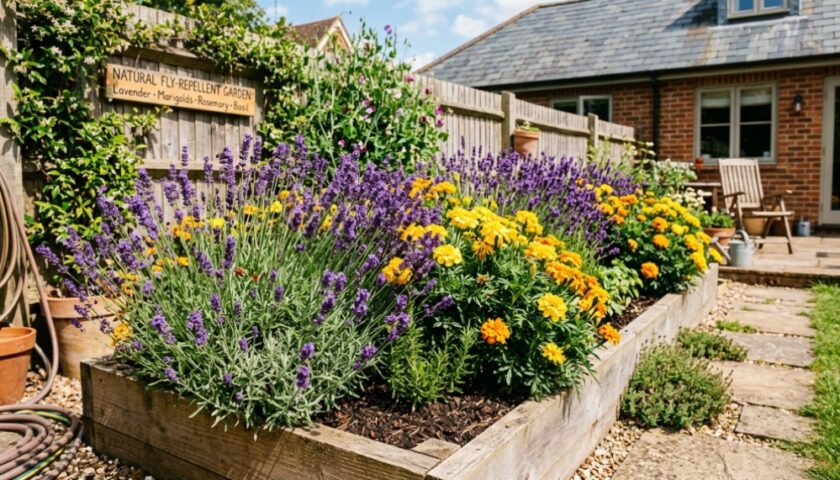
- Companion Planting: Certain plants, like marigolds and dill, can attract beneficial insects while repelling pests.
Beneficial Insects Reviews: What Gardeners Are Saying
“Since I started focusing on attracting helpful insects, my garden has never looked better! I’ve noticed a significant decrease in pests, and my plants are thriving. Plus, it’s incredibly satisfying to watch these little creatures at work.” – Maria G., Home Gardener
“I was skeptical at first, but I’m amazed by the results. I used to struggle with aphids, but now my ladybugs and lacewings take care of them for me. It’s a win-win for my garden and the environment.” – John S., Organic Gardener
Related: Discover Why Garden Centers Are Great for Beginners
Frequently Asked Questions about Beneficial Insects

Q: How long does it take to see results?
A: It can take some time for beneficial insect populations to establish themselves. You may start to see noticeable results within a few weeks to a few months, depending on the specific insects and your garden environment.
Q: Will beneficial insects harm my plants?
A: No, beneficial insects are predators or parasites of other insects and will not damage your plants. In fact, they contribute to plant health by controlling pests.
Q: Can I buy beneficial insects?
A: Yes, you can purchase good insects from garden centers or online retailers. This can be a helpful way to introduce specific insects to your garden, especially if you’re dealing with a particular pest problem.
Q: What if I still have pest problems despite attracting beneficial insects?
A: While beneficial insects can significantly reduce pest populations, they may not eliminate them entirely. If you’re still experiencing pest issues, consider other natural pest control methods like handpicking, barriers, or insecticidal soap.
Q: Are there any downsides to using beneficial insects?
A: The main downside is that it requires patience and observation. You need to create the right environment and allow time for helpful insect populations to grow. Additionally, some beneficial insects may prey on other beneficial insects, so it’s essential to maintain a balanced ecosystem.
Related: Seize the Season: The Early Bird’s Guide to Planting Annuals
Taking it a Step Further
Beyond the basics, there are several ways to enhance your good insect habitat:
- Insect Hotels: These structures provide nesting sites and shelter for a variety of beneficial insects, including solitary bees, ladybugs, and lacewings.
- Flowering Strips: Planting strips of wildflowers around your garden can attract a diverse range of beneficial insects and pollinators.
- Composting: Composting provides a habitat for ground beetles and other beneficial insects that help break down organic matter.
- Mulching: Organic mulch, like straw or wood chips, helps retain moisture and provides a habitat for ground-dwelling insects.
- Regular Monitoring: Regularly observe your garden to identify pest problems early and assess the activity of beneficial insects.
The Bigger Picture
By embracing beneficial insects, you’re not just helping your garden; you’re contributing to a healthier ecosystem. These tiny creatures play a vital role in pollination, nutrient cycling, and natural pest control. By creating a welcoming environment for them, you’re supporting biodiversity and promoting a more sustainable approach to gardening.
Remember, gardening is a journey of learning and adaptation. As you become more familiar with the beneficial insects in your area and their needs, you’ll be able to fine-tune your gardening practices to create a thriving ecosystem where both plants and insects flourish.