Are you eager to fill your garden with vibrant annual blooms? While it’s tempting to get a jumpstart on the growing season, timing is crucial for the success of your annual plants. Let’s explore how early you can plant annuals in your specific area and the factors that influence the ideal planting annuals time.
Understanding Annuals and Their Timing
Annuals are the sprinters of the plant world, completing their life cycle within a single year. They germinate, grow, flower, set seed, and die all in one season. This rapid growth means they’re sensitive to temperature extremes and frost. Planting too early can be detrimental, as tender seedlings can be damaged or killed by cold temperatures. Understanding the ideal planting time for different plants, such as knowing when do you plant roses, can help ensure their healthy growth and bloom. Discover more about the best planting times to protect your garden from temperature-related damage.
Decoding Your Local Climate
The key to determining the best time for planting annuals is understanding your local climate. Different regions experience varying frost dates, average temperatures, and growing seasons. Here’s what you need to consider:
- Frost Dates: The last spring frost date marks a crucial turning point. It signifies the period when the risk of frost has significantly diminished. Planting annuals before this date exposes them to potential frost damage.
- Average Temperatures: While the frost date is essential, pay attention to average night temperatures. Many annuals thrive when night temperatures consistently stay above 50°F (10°C).
- Microclimates: Even within a specific area, microclimates can exist. A sheltered south-facing wall, for example, might offer a warmer environment than an open, exposed area. Consider these microclimates when deciding on planting times.
Early Planting Strategies for Eager Gardeners
If you’re keen to start planting annuals early, here are some strategies to consider:
- Hardening Off: If you’re starting annuals indoors, gradually acclimate them to outdoor conditions through a process called hardening off. This involves exposing the seedlings to increasingly longer periods of outdoor temperatures and sunlight.
- Season Extension: Extend your growing season by using protective covers like cloches, row covers, or even simple plastic bottles to shield young plants from cold snaps.
- Choose Cold-Hardy Annuals: Some annuals, like pansies, violas, and snapdragons, are more tolerant of cooler temperatures. Start with these varieties if you’re planting early in the season.
- Succession Planting: For a continuous display of blooms, plant annuals in succession. Start with cold-hardy varieties, followed by more tender ones as the temperatures warm up.
A Note on Annuals for Different Seasons
Annuals are often categorized as cool-season and warm-season.
- Cool-season annuals (pansies, violas, primroses) prefer cooler temperatures and can be planted in early spring or fall.
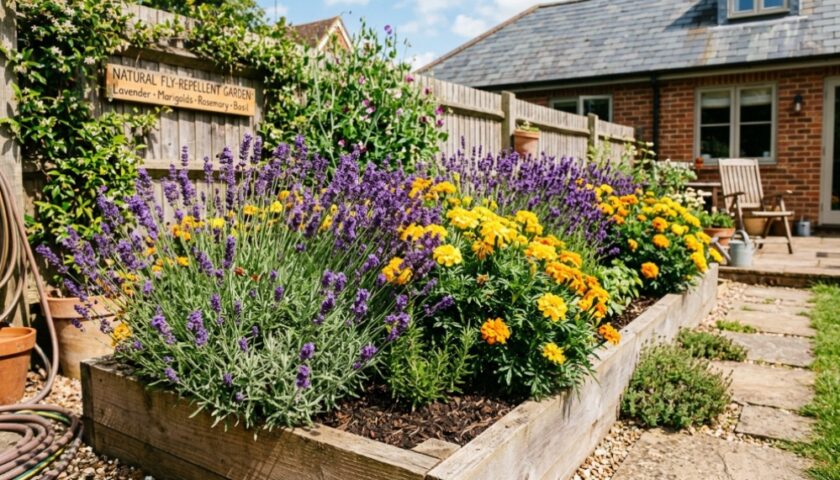
- Warm-season annuals (petunias, marigolds, zinnias) thrive in warmer temperatures and should be planted after the last frost.
Additional Tips for Successful Early Planting
- Soil Preparation: Ensure your soil is well-prepared, with good drainage and plenty of organic matter.
- Watering: Keep the soil consistently moist, but avoid overwatering, as it can lead to root rot.
- Fertilizing: Feed your annuals with a balanced fertilizer to promote healthy growth and abundant blooms.
- Monitoring: Watch for pests and diseases, especially in early spring when conditions can be damp and cool.
Embrace the Experiment
Gardening is a rewarding experiment. Don’t be afraid to try planting a few annuals early and observe their progress. Over time, you’ll gain a better understanding of what works best in your specific location and microclimate.
By paying attention to your local climate, utilizing season extension techniques, and choosing the right varieties, you can successfully start planting annuals early and enjoy a vibrant, colorful garden throughout the growing season.