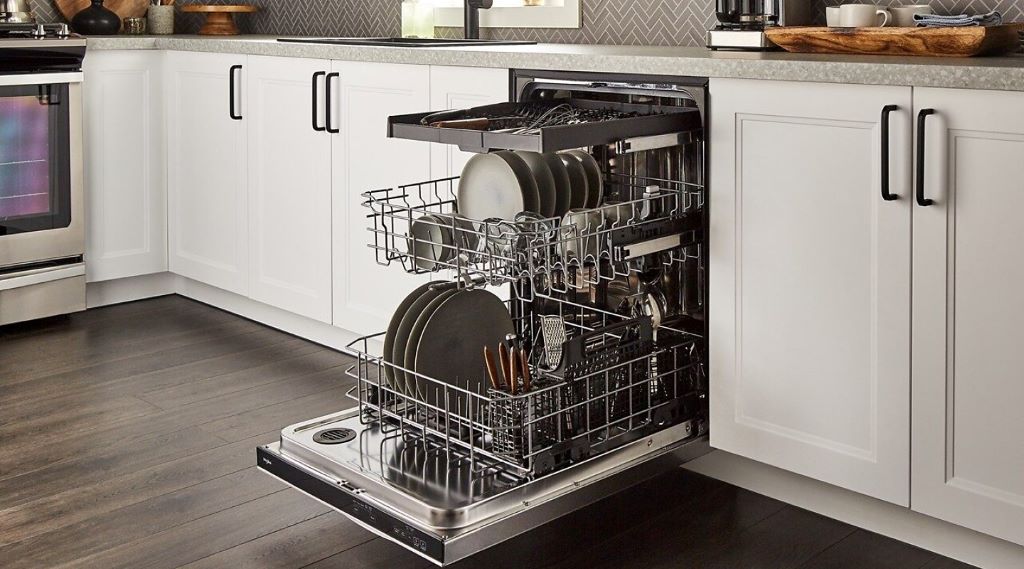
A leaking dishwasher can turn your kitchen into a mess, leaving puddles and frustration in its wake. If you’ve noticed water pooling under your appliance, you’re likely dealing with a Whirlpool dishwasher leaking from the bottom. This issue often stems from condensation in the base pan, a common problem that can be fixed with the right approach. At Home Decorations Tips, we understand how important it is to keep your kitchen running smoothly, so we’ve created this guide to help you troubleshoot and resolve the issue efficiently.
This comprehensive article will walk you through the causes of a Whirlpool dishwasher leaking from the bottom, how to identify a base pan condensation leak, and step-by-step solutions to fix it. Whether you’re a DIY enthusiast or seeking professional advice, we’ve got you covered with practical tips and clear instructions.
Understanding Why Your Whirlpool Dishwasher Leaks from the Bottom
Dishwashers are complex appliances with multiple components that can fail over time. A leak from the bottom often points to issues in the base pan, where condensation or water overflow collects. For detailed insights on addressing this problem, check out this helpful guide on fixing a Whirlpool dishwasher leaking from the bottom of the door. Condensation leaks typically occur when warm, moist air inside the dishwasher meets cooler surfaces, causing water to form and potentially escape.
Other common causes include worn-out door gaskets, clogged drain hoses, or faulty float valves. However, base pan condensation leaks are particularly tricky because the water may not be visible until it overflows. Identifying the root cause is the first step to stopping the leak and preventing costly damage to your kitchen floor.
Signs of a Base Pan Condensation Leak
Before diving into repairs, confirm that the base pan is the source of the leak. Here are some telltale signs:
- Water pooling directly under the dishwasher, especially after a wash cycle.
- No visible leaks around the door or sides, suggesting an internal issue.
- A musty smell or signs of mold under the appliance, indicating standing water.
- The dishwasher operates normally but still leaves water on the floor.
If these symptoms sound familiar, the base pan is likely collecting excess condensation. Fortunately, troubleshooting this issue is straightforward with the right tools and knowledge.
Step-by-Step Troubleshooting Guide
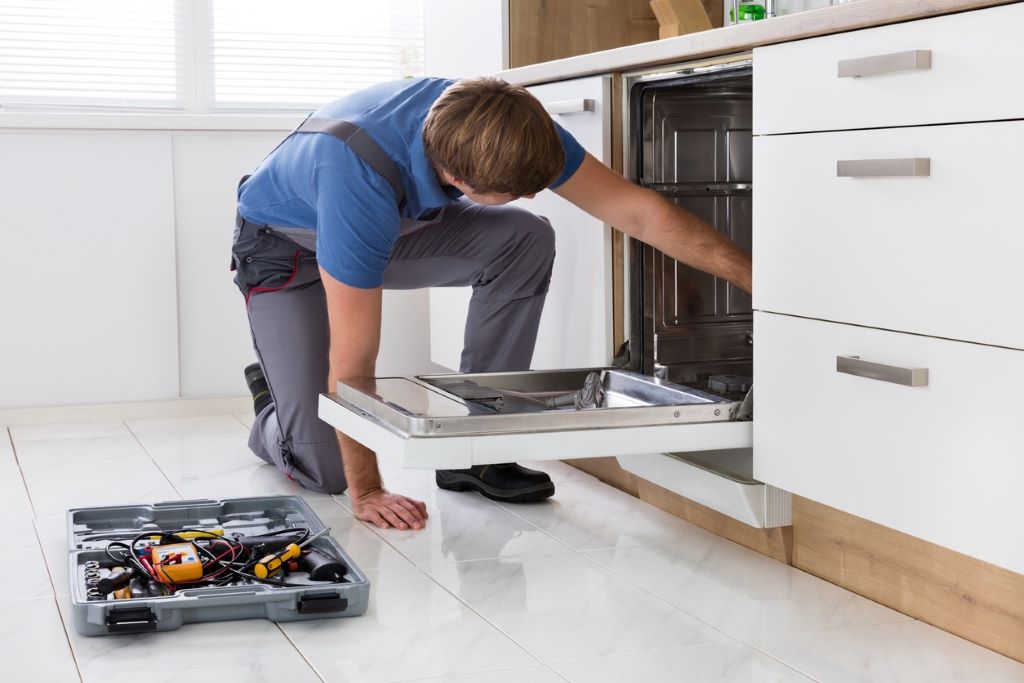
Follow these steps to diagnose and fix a Whirlpool dishwasher leaking from the bottom due to base pan condensation. Always ensure the dishwasher is unplugged and the water supply is turned off before starting any repairs.
Step 1: Inspect the Base Pan
The base pan sits at the bottom of your dishwasher, catching drips and condensation. To access it, remove the lower front panel (usually held by a few screws). Use a flashlight to check for standing water. If the pan is full, carefully soak up the water with a towel or sponge. A consistently full pan suggests excessive condensation or a drainage issue.
Step 2: Check the Door Gasket
A worn or damaged door gasket can allow steam to escape, increasing condensation in the base pan. Inspect the rubber seal around the door for cracks, tears, or debris. Clean it with a damp cloth and mild detergent. If the gasket is damaged, replace it with a model-specific part. This simple fix can significantly reduce condensation buildup.
Step 3: Examine the Float Valve and Switch
The float valve controls water levels in the dishwasher. If it’s stuck or faulty, water may overflow into the base pan. Locate the float (usually a small plastic dome inside the tub) and ensure it moves freely. Test the float switch with a multimeter for continuity. If it’s defective, replace it to prevent overfilling.
Step 4: Clear the Drain Hose and Filter
A clogged drain hose or filter can cause water to back up, leading to leaks. Remove the drain hose and check for blockages. Run water through it to ensure proper flow. Similarly, clean the dishwasher filter (located at the bottom of the tub) to remove food particles or debris. A clear drainage system reduces the risk of water spilling into the base pan.
Step 5: Address Ventilation Issues
Excessive condensation often results from poor ventilation. Ensure the dishwasher’s vent (typically near the door) is clean and unobstructed. Some Whirlpool models have a vent fan that may need cleaning or replacement. If your dishwasher has a “heated dry” setting, using it can help evaporate moisture and reduce condensation.
Step 6: Test for External Leaks
Sometimes, what appears to be a condensation leak may come from external sources, like a loose water inlet valve or damaged tub. Inspect all connections and the tub for cracks. Tighten any loose fittings and replace damaged components as needed. For guidance on checking external leaks, refer to this article from Consumer Reports.
Preventing Future Leaks
Once you’ve resolved the leak, take steps to prevent it from happening again. Regular maintenance is key to keeping your Whirlpool dishwasher in top shape. Here are some tips:
- Run a cleaning cycle monthly using a dishwasher-safe cleaner to remove grease and buildup.
- Inspect the door gasket and float valve regularly for wear and tear.
- Avoid overloading the dishwasher, as this can strain the drainage system.
- Use the correct amount of detergent to prevent excessive suds, which can lead to leaks.
- Schedule professional maintenance annually, especially for older models.
By staying proactive, you can minimize the risk of condensation leaks and extend the life of your dishwasher. For additional maintenance tips, check out this guide from Bob Vila.
When to Call a Professional
If troubleshooting doesn’t resolve the issue, or if you’re uncomfortable performing repairs, it’s time to call a professional. Complex problems, such as a cracked tub or faulty pump, require specialized tools and expertise. A certified technician can diagnose the problem accurately and ensure your dishwasher is repaired safely. Contact Whirlpool’s customer service or a local appliance repair service for assistance.
Conclusion
A Whirlpool dishwasher leaking from the bottom can be a frustrating issue, but it’s often caused by condensation in the base pan. By following the troubleshooting steps outlined above—checking the base pan, inspecting the door gasket, testing the float valve, clearing the drain, and addressing ventilation—you can identify and fix the problem. Regular maintenance and prompt repairs will keep your dishwasher running smoothly and your kitchen dry. If the issue persists, don’t hesitate to seek professional help to avoid further damage.
Frequently Asked Questions
Why is my Whirlpool dishwasher leaking from the bottom?
A leak from the bottom is often due to condensation in the base pan, a worn door gasket, or a clogged drain. Inspect these components to pinpoint the cause.
How do I access the base pan in my Whirlpool dishwasher?
Remove the lower front panel by unscrewing it. The base pan is located at the bottom of the dishwasher, where water may collect.
Can I fix a condensation leak myself?
Yes, many condensation leaks can be fixed by cleaning the base pan, replacing the door gasket, or clearing the drain hose. Always unplug the dishwasher first.
How often should I clean my dishwasher to prevent leaks?
Run a cleaning cycle monthly and inspect the gasket and filter regularly to prevent buildup and reduce the risk of leaks.
When should I replace my Whirlpool dishwasher instead of repairing it?
If the tub is cracked or repairs are costly and frequent, replacing the dishwasher may be more cost-effective, especially for older models.
Read More:
Do Ovens Shut Off Automatically?