Your roof, a steadfast guardian against the elements, often endures relentless assaults from sun, rain, wind, and hail. Yet, its resilience can be compromised, leading to costly repairs and even structural damage if issues remain undetected. Recognizing roof damage early is crucial for maintaining your home’s integrity and preserving your peace of mind. This comprehensive guide will equip you with the knowledge to identify common signs of roof deterioration, understand the underlying causes, and take proactive steps to safeguard your investment.
The Silent Culprits: Understanding the Diverse Nature of Roof Damage
Roof damage isn’t a one-size-fits-all issue. It manifests in various forms, each with its own set of telltale signs and contributing factors. Understanding these nuances is the first step toward accurate diagnosis.
- Weather-Related Damage: This is perhaps the most common category, encompassing the effects of:
- Hail: Impacts from hailstones can fracture shingles, create dents, and dislodge granules, leaving your roof vulnerable to water intrusion.
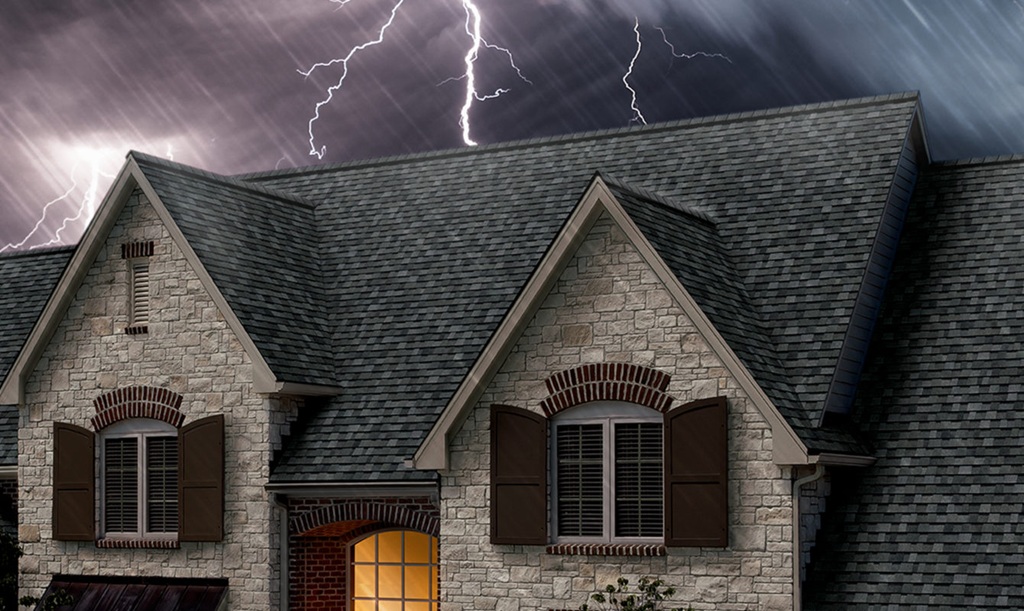
- Wind: High winds can lift, tear, or completely remove shingles, especially older or poorly installed ones. Strong gusts can also cause debris to impact the roof surface, leading to punctures.
- Rain and Snow: Prolonged exposure to moisture can lead to rot, mold growth, and water damage, particularly in areas with poor drainage or compromised flashing. Freezing and thawing cycles can exacerbate these issues, causing materials to expand and contract, leading to cracks.
- Sunlight (UV Damage): Constant exposure to intense sunlight can cause shingles to dry out, crack, and lose their protective granules, accelerating the aging process.
- Age and Deterioration: Like any material, roofing components have a lifespan. Over time, shingles become brittle, sealants crack, and flashing corrodes, increasing the risk of leaks and other problems.
- Improper Installation: Faulty installation practices, such as incorrect shingle placement, inadequate flashing, or improper ventilation, can significantly shorten a roof’s lifespan and increase the likelihood of damage.
- Tree and Debris Impact: Falling branches, leaves, and other debris can cause physical damage to shingles, clog gutters, and trap moisture, leading to rot.
- Animal Activity: Squirrels, raccoons, and birds can damage roofing materials while seeking shelter or nesting sites.
Decoding the Visual Clues: Identifying Common Signs of Roof Damage
Now that we understand the potential causes, let’s delve into the specific signs that indicate your roof may be compromised.
- Missing or Damaged Shingles: This is perhaps the most obvious sign of roof damage. Look for shingles that are cracked, curled, buckled, or missing entirely. Missing shingles leave the underlayment exposed, making your home vulnerable to water leaks.
- Granule Loss: Shingle granules protect the asphalt from UV damage. Excessive granule loss, often visible in gutters or at downspout exits, indicates that the shingles are nearing the end of their lifespan.
- Water Stains on Ceilings or Walls: These are telltale signs of a roof leak. Water stains may appear as brown or yellow spots and may be accompanied by a musty odor.
- Sagging Roof Decking: A sagging roof deck indicates that the underlying support structure has been compromised, often due to water damage. This is a serious issue that requires immediate attention.
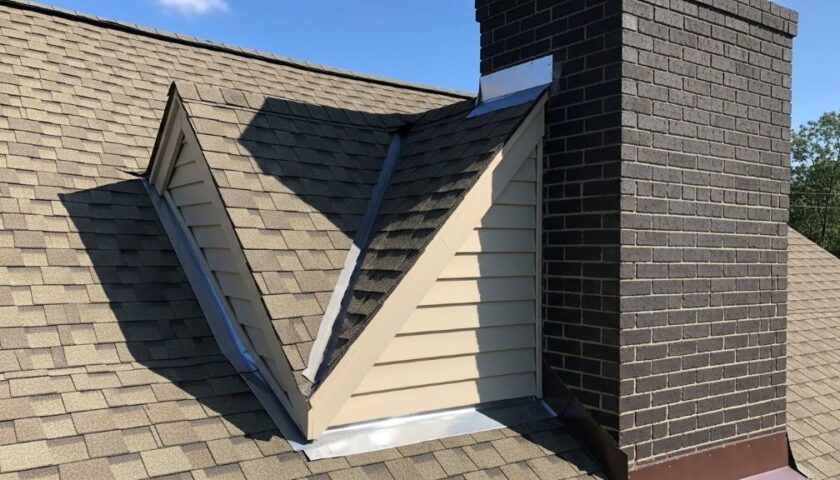
- Damaged Flashing: Flashing is the metal material installed around roof penetrations, such as chimneys, vents, and skylights. Damaged or corroded flashing can allow water to seep into the roof structure.
- Rotting or Moldy Wood: Rotting fascia boards, soffits, or roof decking are signs of prolonged moisture exposure. Mold growth may also be visible on the roof surface or in the attic.
- Excessive Attic Moisture: Condensation or moisture buildup in the attic can indicate poor ventilation or a roof leak. Look for signs of water stains, mold, or rot in the attic.
- Visible Dents or Punctures: Hail or debris impact can leave visible dents or punctures in shingles or metal roofing.
- Ice Dams: In colder climates, ice dams can form along the roof edge, preventing melting snow from draining properly. This can lead to water backup and leaks.
- Gutters Full of Granules: As stated earlier, excessive granule loss is a sign of shingle damage. Gutters filled with granules are a good place to check.
Related: Does Spray Insulation Removes the Need for Roof Ventilation
The Importance of Regular Inspections: Proactive Maintenance for Roof Longevity
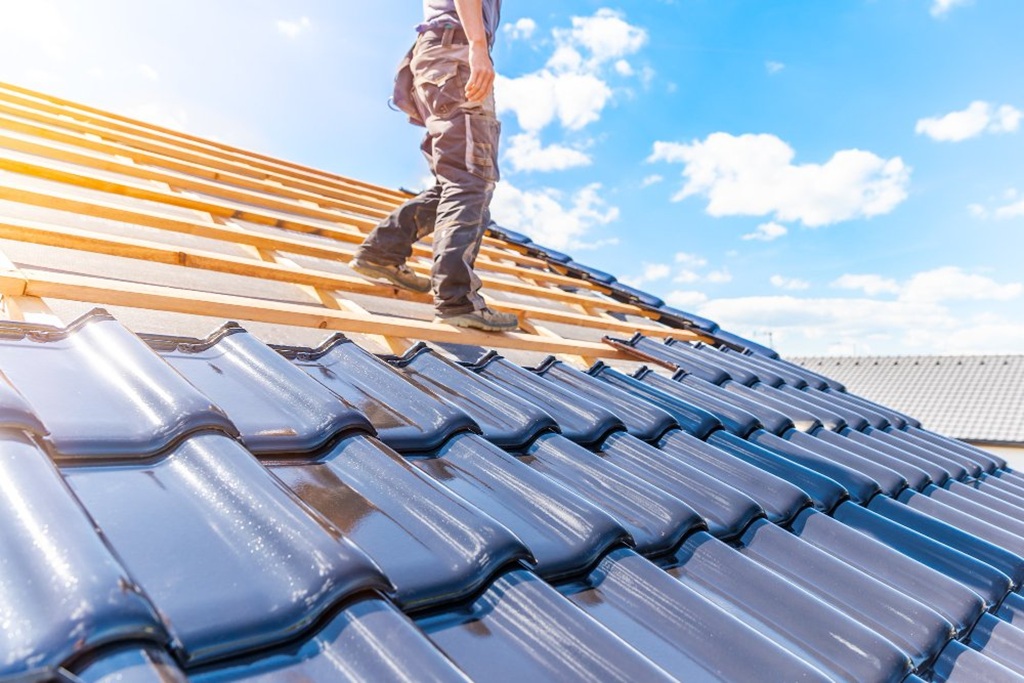
Regular roof inspections are essential for detecting damage early and preventing costly repairs.
- Frequency: It’s recommended to inspect your roof at least twice a year, ideally in the spring and fall. After severe weather events, such as hailstorms or high winds, a thorough inspection is also crucial.
- Safety First: Roof inspections can be dangerous, so it’s best to hire a qualified roofing professional. If you choose to inspect your roof yourself, take necessary safety precautions, such as wearing proper footwear and using a sturdy ladder.
- Comprehensive Assessment: A thorough inspection should include a visual assessment of the roof surface, flashing, gutters, and attic. Pay close attention to areas prone to damage, such as valleys, penetrations, and edges.
People Also Ask (FAQs):
- Q: How long does a typical roof last?
- A: The lifespan of a roof varies depending on the materials used, the climate, and the quality of installation. Asphalt shingle roofs typically last 20-30 years, while metal roofs can last 50 years or more.
- Q: Can I repair roof damage myself?
- A: Minor repairs, such as replacing a few shingles, may be possible for experienced DIYers. However, for significant damage or complex repairs, it’s best to hire a professional roofer.
- Q: How much does it cost to repair roof damage?
- A: The cost of roof repairs varies depending on the extent of the damage, the materials used, and the labor costs in your area.
- Q: Does homeowners insurance cover roof damage?
- A: Most homeowners insurance policies cover roof damage caused by covered perils, such as wind, hail, or fire. However, wear and tear is typically not covered.
- Q: What is the best time of year to replace a roof?
- A: Most roofing companies will say that the best time to replace a roof is during the warmer and drier months. This is because shingles seal better in warmer temperatures.
- Q: How do I choose a reputable roofing contractor?
- A: Look for a roofing contractor with a valid license, insurance, and a proven track record. Ask for references and read online reviews. Get multiple estimates before making a decision.
- Q: What is the difference between roof repair and roof replacement?
- A: Roof repair involves fixing specific areas of damage, while roof replacement involves removing the existing roof and installing a new one.
- Q: Is it necessary to replace all the shingles when I get a roof leak?
- A: Not always. If the leak is isolated, it may be possible to repair the affected area. However, if the roof is old or extensively damaged, a full replacement may be necessary.
Related: Innovative Roofing Solutions for Modern Homes
Conclusion: Protecting Your Investment Through Vigilance and Expertise
Your roof is a critical component of your home, providing essential protection from the elements. By understanding the causes of roof damage, recognizing the signs, and conducting regular inspections, you can proactively safeguard your investment and prevent costly repairs. When in doubt, always consult with a qualified roofing professional. Their expertise can provide peace of mind and ensure the longevity of your roof, keeping your home safe and secure for years to come. Remember, a well-maintained roof not only protects your property but also enhances its value and aesthetic appeal. Take the time to care for your roof, and it will continue to protect you for years to come.