In a world grappling with climate change, our homes can be a powerful tool for positive impact. By embracing eco-friendly design principles in our house eco-friendly compound layout, we not only minimize our ecological footprint but also create healthier, more harmonious living spaces.
1. Site Selection and Orientation: Working with Nature
The foundation of your eco-friendly compound begins with thoughtful site selection. Look for a location with natural features like mature trees, slopes, or bodies of water that can be integrated into your design. Consider the sun’s path throughout the year to optimize natural light and passive heating. Orient your buildings to maximize southern exposure for solar gain while minimizing northern exposure to reduce heat loss in colder months.

2. Energy Efficiency: A Multifaceted Approach
- Passive Design: Incorporate passive design strategies to regulate temperature naturally. This includes well-placed windows for cross-ventilation, overhangs to shade windows in summer, and thermal mass materials (like concrete or stone) that absorb heat during the day and release it at night.
- Renewable Energy: Explore options like solar panels or small wind turbines to generate your electricity. Geothermal heat pumps can also be a highly efficient way to heat and cool your compound.
- Insulation and Air Sealing: Prioritize high-quality insulation and meticulous air sealing to prevent drafts and energy leakage.
3. Water Conservation: A Precious Resource
- Rainwater Harvesting: Collect rainwater from rooftops and direct it to cisterns for irrigation, toilet flushing, or even filtered drinking water.
- Greywater Recycling: Treat wastewater from showers, sinks, and laundry for reuse in irrigation or toilet flushing.
- Water-Efficient Fixtures: Install low-flow faucets, showerheads, and toilets to drastically reduce water usage.
- Xeriscaping: Embrace landscaping with drought-tolerant native plants to minimize irrigation needs.
4. Building Materials: Sustainable Choices
- Locally Sourced: Choose materials sourced as close to your site as possible to reduce transportation emissions.
- Recycled and Reclaimed: Incorporate recycled or reclaimed materials like wood, bricks, and metal whenever possible.
- Low-Embodied Energy: Opt for materials with low embodied energy, meaning the energy required to produce and transport them is minimal.
- Natural and Non-Toxic: Prioritize natural materials like bamboo, straw bale, or cob (a mixture of clay, sand, and straw) that are healthy for both inhabitants and the environment. Avoid materials with volatile organic compounds (VOCs) that can off-gas harmful chemicals.
5. Waste Reduction: Closing the Loop
- Composting: Start a composting system to turn kitchen scraps and yard waste into nutrient-rich compost for your garden.
- Recycling: Make recycling convenient by placing bins in easily accessible areas throughout the compound.
- Source Reduction: Minimize waste by purchasing in bulk, avoiding single-use plastics, and choosing products with minimal packaging.
6. Landscaping and Food Production
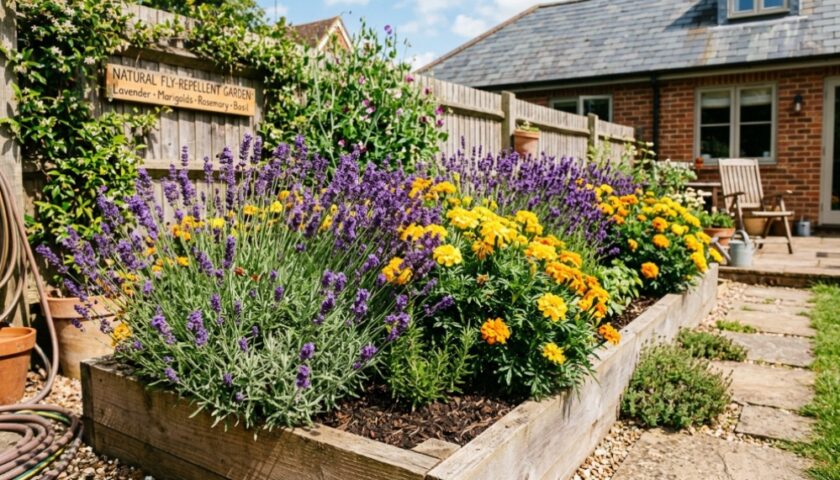
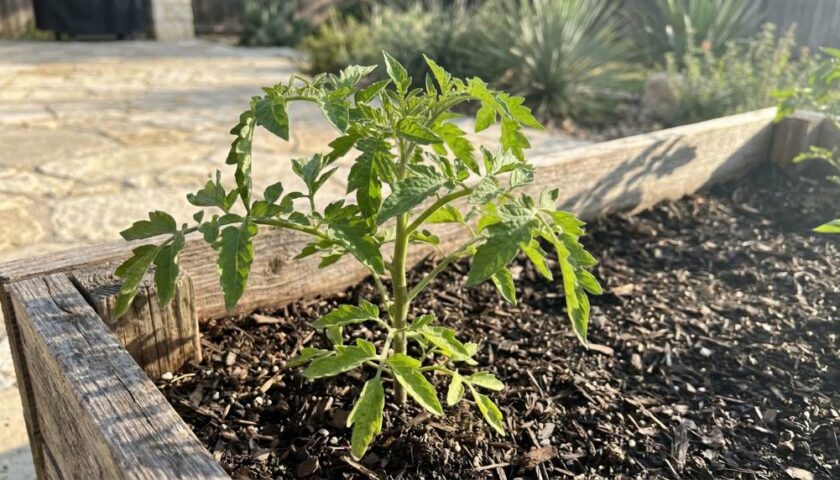
- Edible Landscaping: Incorporate fruit trees, berry bushes, and vegetable gardens into your landscape design. Consider a greenhouse for year-round growing.
- Permaculture: Explore permaculture principles, which emphasize creating self-sustaining ecosystems that mimic natural patterns. This can include incorporating ponds for aquaculture, raising chickens for eggs and pest control, or using swales (shallow ditches) to capture and infiltrate rainwater.
- Wildlife Habitat: Plant native species that provide food and shelter for local wildlife, including pollinators like bees and butterflies.
7. Community and Collaboration
Consider creating a compound designed for co-housing or shared living. This approach can foster a sense of community, reduce individual resource consumption, and encourage shared responsibility for sustainability practices. When planning, explore various family compound ideas to ensure the layout and amenities meet the needs of all residents while promoting an inclusive and harmonious environment.
8. Beyond the Basics: Innovative Solutions
- Living Roofs: Install green roofs that provide insulation, reduce stormwater runoff, and create habitat for wildlife.
- Earth Sheltering: Partially or fully bury buildings into the earth to take advantage of natural insulation.
- Solar Water Heating: Use solar collectors to heat water for domestic use.
- Smart Home Technology: Integrate smart home technology to monitor and optimize energy use, lighting, and irrigation.
Designing for the Future
Creating an eco-friendly compound layout is an investment in the future. By embracing these principles, you’re not just building a home, but a model for sustainable living. Your compound can be a sanctuary for both you and the planet, a place where harmony with nature is not just a goal, but a way of life.