
Gardening, a beloved pastime for many, offers a therapeutic escape and the satisfaction of nurturing life. But whether you’re a seasoned horticulturist or a budding enthusiast, questions inevitably arise. From battling pests to understanding soil, the world of gardening presents a continuous learning curve. This comprehensive guide addresses the top 10 most frequently asked gardening questions, providing detailed answers, product recommendations, and helpful tips to empower your green thumb.
-
When is the best time to plant?
This age-old question hinges on a crucial factor: what you’re planting. Different plants have different temperature and sunlight requirements.
- Cool-season crops like lettuce, spinach, and peas thrive in cooler temperatures and can be sown in early spring or late summer for a fall harvest.
- Warm-season crops such as tomatoes, peppers, and cucumbers need warm soil and ample sunlight, making late spring or early summer the ideal planting time.
Pro Tip: Consider your local climate and “hardiness zones.” The USDA Plant Hardiness Zone Map provides a guide to which plants are most likely to thrive in a given location based on average annual minimum winter temperatures.
Product Recommendation: For accurate soil temperature readings, consider a soil thermometer. This simple tool helps determine the optimal planting time for seeds and seedlings.
-
How often should I water my plants?
Overwatering is a common gardening mistake, often leading to root rot and other plant diseases. The frequency of watering depends on several factors, including:
- Plant type: Some plants, like succulents, prefer dry conditions, while others, like ferns, thrive in moist environments.
- Soil type: Sandy soil drains quickly, requiring more frequent watering, while clay soil retains moisture longer.
- Weather conditions: Hot, dry weather necessitates more frequent watering than cool, cloudy conditions.
Pro Tip: Instead of adhering to a strict schedule, check the soil moisture regularly. Stick your finger about an inch deep into the soil. If it feels dry, it’s time to water.
Product Recommendation: A moisture meter provides accurate readings of soil moisture levels, taking the guesswork out of watering.
-
How do I improve my soil?
Healthy soil is the foundation of a thriving garden. To improve soil quality:
- Add organic matter: Compost, manure, and leaf mold enrich the soil with nutrients and improve its structure.
- Test your soil pH: Most plants prefer slightly acidic soil (pH 6.0 to 7.0). A soil test kit can help determine your soil’s pH level and recommend amendments.
- Mulch around plants: Mulch helps retain moisture, suppress weeds, and regulate soil temperature.
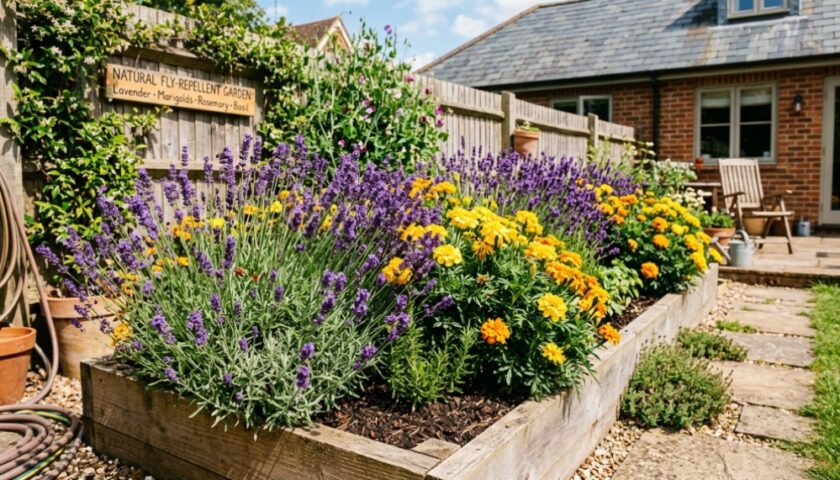
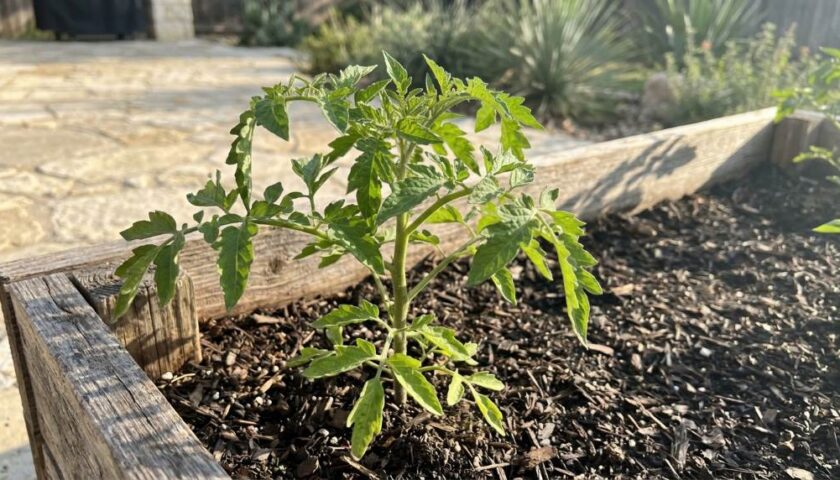
Pro Tip: Consider building raised garden beds. This allows you to create the ideal soil mix for your plants and provides better drainage.
Product Recommendation: Compost bins make it easy to recycle kitchen scraps and yard waste into nutrient-rich compost.
-
How do I get rid of pests without harming beneficial insects?
Protecting your garden from pests doesn’t require resorting to harsh chemicals. Here are some eco-friendly pest control methods:
- Introduce beneficial insects: Ladybugs, lacewings, and praying mantises are natural predators of many garden pests.
- Use companion planting: Certain plants, like marigolds, deter pests while attracting beneficial insects.
- Create physical barriers: Row covers and netting can protect plants from pests while allowing sunlight and air to circulate.
- Make your own insecticidal soap: A simple mixture of soap and water can effectively control soft-bodied pests like aphids.
Pro Tip: Identify the specific pest plaguing your garden before implementing any control measures. This ensures you choose the most effective and environmentally friendly solution.
Product Recommendation: Insect hotels provide shelter for beneficial insects, encouraging them to take up residence in your garden.
-
What are the best gardening tools for beginners?
Starting a garden doesn’t require an arsenal of expensive tools. Here are the essentials:
- Hand trowel: Ideal for planting seedlings and digging small holes.
- Hand rake: Perfect for smoothing soil and removing debris.
- Gardening gloves: Protect your hands from thorns, blisters, and dirt.
- Watering can: Provides gentle and controlled watering for seedlings and delicate plants.
- Pruning shears: Essential for trimming and shaping plants.
Pro Tip: Invest in quality tools that will last for years. Look for ergonomic designs that are comfortable to use.
Product Recommendation: A gardening tool set provides a convenient and cost-effective way to acquire all the essential tools.
-
How do I choose the right plants for my garden?
Selecting the right plants is crucial for gardening success. Consider the following factors:
- Sunlight: Assess how much sun your garden receives throughout the day. Choose plants that thrive in those conditions.
- Soil type: Different plants have different soil preferences. Ensure your soil type is suitable for the plants you choose.
- Space: Consider the mature size of the plants. Avoid overcrowding, which can hinder growth and air circulation.
- Personal preferences: Choose plants that you find aesthetically pleasing and that suit your gardening goals.
Pro Tip: Research plant varieties that are well-suited to your local climate and growing conditions. Local nurseries and garden centers can provide valuable advice.
Product Recommendation: Gardening apps offer plant identification tools, care guides, and personalized recommendations based on your location and preferences.
-
How do I prune my plants correctly?
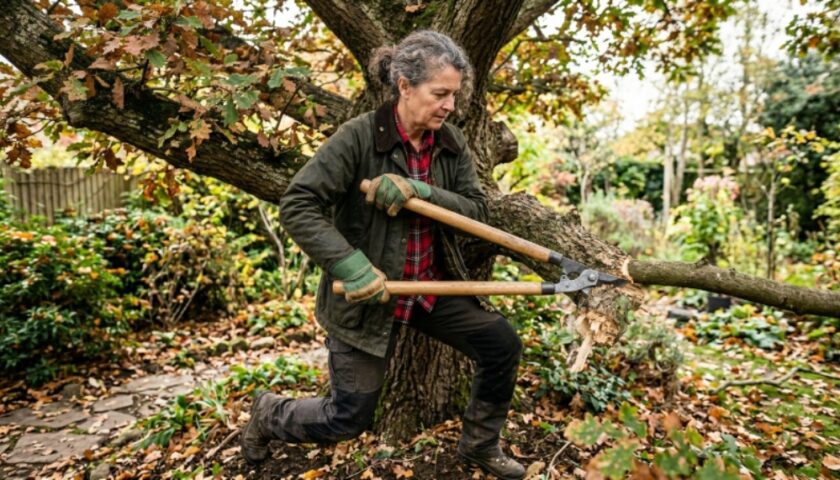
Pruning encourages healthy growth, removes dead or diseased branches, and improves the shape and appearance of plants.
- Timing is key: Different plants have different pruning requirements. Research the specific needs of your plants.
- Use sharp tools: Clean cuts promote faster healing and reduce the risk of disease.
- Know where to cut: For most plants, prune just above a node (the point where a leaf or branch emerges).
Pro Tip: Start with small cuts and observe the plant’s response before making more drastic pruning decisions.
Product Recommendation: A quality pair of pruning shears with sharp blades and comfortable grips makes pruning easier and more efficient.
-
How do I start a compost pile?
Composting is a fantastic way to recycle kitchen scraps and yard waste into nutrient-rich soil amendment. Here’s how to get started:
- Choose a location: Select a well-drained area with partial shade.
- Build your pile: Layer brown materials (leaves, twigs) with green materials (grass clippings, food scraps).
- Maintain the pile: Turn the pile regularly to aerate it and speed up decomposition.
- Monitor moisture levels: Keep the pile consistently moist but not soggy.
Pro Tip: Add a variety of materials to your compost pile for a balanced mix of nutrients. Avoid adding meat, dairy, or oily foods.
Product Recommendation: A compost tumbler makes it easy to turn and aerate your compost pile, accelerating the decomposition process.
-
What are the benefits of organic gardening?
Organic gardening focuses on natural methods and avoids the use of synthetic fertilizers and pesticides. The benefits include:
- Improved soil health: Organic practices enhance soil fertility and promote beneficial microbial activity.
- Environmental protection: Organic gardening reduces pollution and protects pollinators and other wildlife.
- Healthier food: Organically grown produce is free from harmful chemical residues.
- Sustainable practices: Organic gardening promotes biodiversity and conserves natural resources.
Pro Tip: Start small and gradually transition to organic practices. Focus on building healthy soil and using natural pest control methods.
Product Recommendation: Organic fertilizers and biopesticides provide effective and environmentally friendly alternatives to synthetic products.
-
How can I attract pollinators to my garden?
Pollinators like bees, butterflies, and hummingbirds play a crucial role in plant reproduction and ecosystem health. To attract them to your garden:
- Plant a variety of flowers: Choose flowers with different shapes, colors, and bloom times to provide a continuous source of nectar and pollen.
- Provide shelter: Plant native trees and shrubs to offer nesting sites and protection from predators.
- Avoid pesticides: Pesticides can harm pollinators and disrupt the delicate balance of the ecosystem.
- Create a water source: A shallow dish with water and pebbles provides a safe drinking spot for pollinators.
Pro Tip: Choose native plant species whenever possible. Native plants are adapted to the local climate and provide the best food sources for native pollinators.
Product Recommendation: Bee houses and butterfly feeders provide additional habitat and food sources for pollinators.
Reviews
Throughout this guide, we’ve recommended various gardening products. Here are brief reviews of some highly-rated options:
- Soil Thermometer: The REOTEMP Garden and Compost Thermometer is a reliable and accurate tool with a clear, easy-to-read dial.
- Moisture Meter: The XLUX Soil Moisture Meter offers quick and precise readings with a simple probe design.
- Compost Bin: The Miracle-Gro Small Composter is a compact and efficient option for backyard composting.
- Insect Hotel: The Welliver Outdoors Bamboo Bee House provides a stylish and functional habitat for solitary bees.
- Pruning Shears: The Fiskars Steel Bypass Pruning Shears are known for their sharp blades and comfortable grip.
Related: The Gardener’s Guide to Beneficial Insects: Your Tiny Allies in Pest Control
FAQ

Q: What are some common gardening mistakes to avoid?
A: Overwatering, underwatering, planting in the wrong location, neglecting soil health, and using excessive amounts of fertilizer are common mistakes.
Q: How can I protect my plants from frost?
A: Cover plants with blankets, sheets, or row covers when frost is expected. Water the soil thoroughly before a frost to help retain heat.
Related: Seize the Season: The Early Bird’s Guide to Planting Annuals
Q: How do I know when to harvest my vegetables?
A: Different vegetables have different maturity indicators. Research the specific signs to look for in each type of vegetable you grow.
Q: Can I garden indoors?
A: Yes! Indoor gardening allows you to grow herbs, vegetables, and flowers year-round. Choose plants that thrive in indoor conditions and provide adequate light and ventilation.
Q: Where can I find more gardening information?
A: Local nurseries, garden centers, and agricultural extension offices offer valuable resources and advice. Online gardening communities and websites provide a wealth of information and support.
Gardening is a journey of learning and discovery. By understanding the basics, utilizing helpful tools, and continuously seeking knowledge, you can cultivate a thriving garden and reap the rewards of your efforts. Happy gardening!