Owning a swimming pool is a luxury, a source of endless summer fun and relaxation. However, this enjoyment comes with a crucial responsibility: ensuring the safety of everyone around it. A key component in achieving this safety is a high-quality swimming pool safety cover. More than just a simple barrier, a well-chosen cover can prevent accidents, conserve resources, and extend the life of your pool. Let’s delve deep into the world of swimming pool safety covers, exploring their types, benefits, and how to choose the right one for your needs.
The Essential Role of Swimming Pool Safety Covers
Beyond simply keeping debris out of your pool, safety covers are engineered to prevent accidental falls, especially by children and pets. Traditional winter covers, often flimsy and easily displaced, offer minimal protection. Safety covers, on the other hand, are designed to bear significant weight, adhering to strict safety standards. They act as a solid barrier, preventing access to the water when the pool is not in use. This peace of mind is invaluable, especially for families with young children or pets who may wander unsupervised.
Furthermore, these covers play a vital role in maintaining water quality. By blocking sunlight, they inhibit algae growth, reducing the need for chemical treatments. This not only saves money but also creates a healthier swimming environment. Additionally, they minimize evaporation, conserving water and reducing the need for frequent refills. In regions with harsh winters, safety covers protect the pool structure from damage caused by freezing and thawing, extending its lifespan.
Types of Swimming Pool Safety Covers: A Comprehensive Overview
The market offers a range of safety covers, each with its own set of features and benefits. Understanding these variations is crucial for making an informed decision.
- Mesh Safety Covers: These covers are constructed from a tightly woven mesh material that allows rainwater and melted snow to drain through while blocking leaves and debris. Their primary advantage is their ability to prevent standing water, which can become a breeding ground for mosquitoes and algae. They are typically lighter than solid covers, making them easier to install and remove. However, fine silt and some debris can still pass through the mesh.
- Solid Safety Covers: These covers are made from a durable, impermeable material, such as vinyl, that completely blocks water and debris. They offer superior protection against algae growth and keep the pool water clean and clear. However, they require a pump to remove accumulated rainwater and snowmelt to prevent sagging and potential damage.
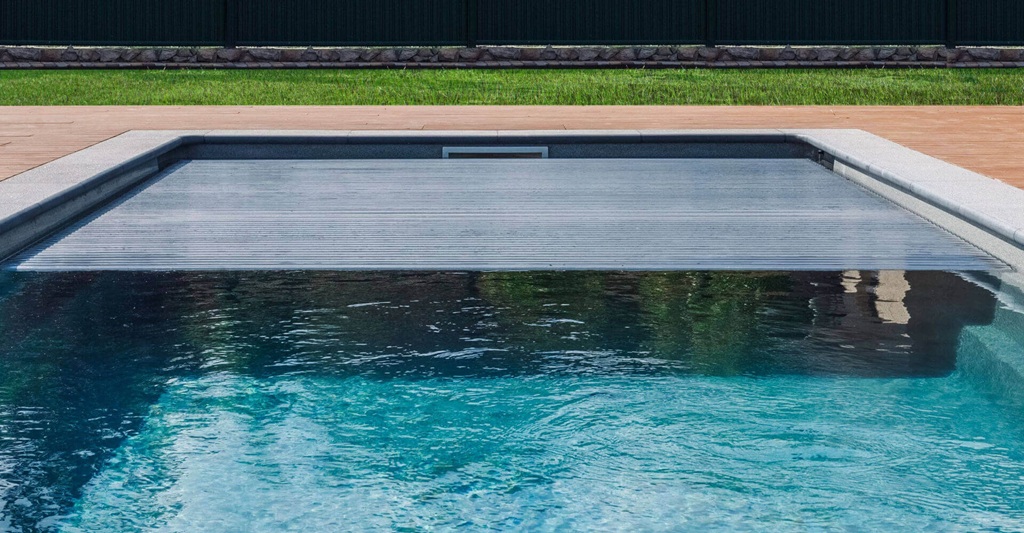
- Automatic Safety Covers: These are the pinnacle of convenience and safety. They operate with a motorized mechanism that rolls the cover on and off the pool surface with the push of a button. While they offer the highest level of protection and ease of use, they are also the most expensive option.
- Hybrid Safety Covers: These covers combine the benefits of both mesh and solid covers. They feature a tightly woven mesh that blocks most debris while also incorporating a solid panel to prevent water from passing through. This offers a balance of protection and convenience.
Key Features to Consider When Choosing a Safety Cover
Selecting the right safety cover involves considering several factors to ensure optimal protection and functionality.
- Material and Durability: Look for covers made from high-quality, UV-resistant materials that can withstand the elements and heavy loads. The stitching and seams should be robust and reinforced.
- Weight Capacity: The cover should be able to support a significant weight, exceeding safety standards. This is crucial for preventing accidents and ensuring the cover’s structural integrity.
- Anchoring System: The anchoring system should be strong and reliable, securely fastening the cover to the pool deck. Options include brass anchors, springs, and straps.
- Warranty: A comprehensive warranty reflects the manufacturer’s confidence in the product’s quality and durability.
- Ease of Installation and Removal: Consider the ease of installing and removing the cover, especially if you plan to do it yourself. Automatic covers offer the most convenience, while mesh covers are generally easier to handle than solid covers.
- Pool Shape and Size: The cover must be precisely measured and fitted to your pool’s shape and size to ensure a secure and effective barrier. Custom-made covers are available for uniquely shaped pools.
- Budget: Safety covers range in price, depending on the type, material, and features. Determine your budget and weigh the cost against the benefits and long-term value.
Related: Revitalize Your Pool: A Comprehensive Guide to Acid Washing
Installation and Maintenance: Ensuring Longevity and Safety
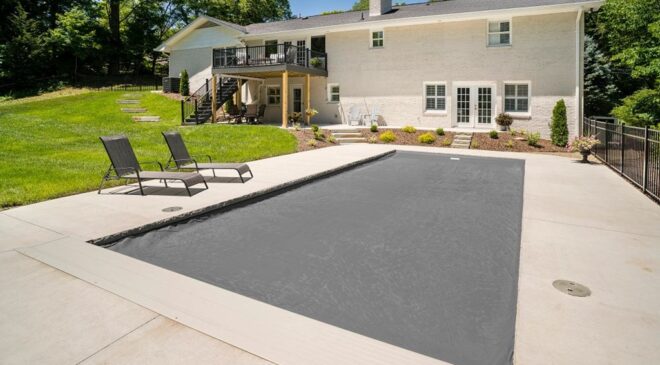
Proper installation and regular maintenance are essential for maximizing the lifespan and effectiveness of your safety cover.
- Professional Installation: For optimal safety and performance, professional installation is highly recommended. Experienced installers can ensure the cover is correctly fitted and anchored, minimizing the risk of accidents.
- Regular Inspections: Periodically inspect the cover for any signs of wear and tear, such as rips, tears, or frayed stitching. Address any issues promptly to prevent further damage and maintain safety.
- Cleaning: Regularly clean the cover to remove debris, leaves, and dirt. Use a soft brush and mild detergent to avoid damaging the material.
- Proper Storage: When not in use, store the cover in a cool, dry place away from direct sunlight and sharp objects. Fold it neatly to prevent creases and damage.
- Water Removal (for Solid Covers): If you have a solid cover, ensure you regularly remove accumulated rainwater and snowmelt to prevent sagging and potential damage. A cover pump is essential for this task.
People Also Ask (FAQs) about Swimming Pool Safety Covers
Q: Are swimming pool safety covers truly safe?
A: Yes, when properly installed and maintained, they provide a significant safety barrier, preventing accidental falls into the pool. They meet strict safety standards and are designed to support significant weight.
Q: Can I install a safety cover myself?
A: While some DIY installation kits are available, professional installation is generally recommended to ensure proper fitting and anchoring, maximizing safety and performance.
Q: How long do swimming pool safety covers last?
A: With proper care and maintenance, a high-quality safety cover can last 10 to 15 years or even longer. Factors such as material, climate, and usage can affect its lifespan.
Q: Are automatic safety covers worth the investment?
A: Automatic covers offer the highest level of convenience and safety, making them a worthwhile investment for those who prioritize ease of use and long-term protection.
Q: Do safety covers prevent algae growth?
A: Solid safety covers effectively block sunlight, inhibiting algae growth. Mesh covers offer some protection, but fine silt and debris can still contribute to algae.
Q: How much do swimming pool safety covers cost?
A: The cost varies depending on the type, material, size, and features. Prices can range from a few hundred dollars for basic mesh covers to several thousand dollars for automatic covers.
Q: Can a safety cover support the weight of an adult?
A: Yes, safety covers are designed to support significant weight, often exceeding the weight of an adult. However, it’s crucial to check the specific weight capacity of the cover you choose.
Q: What is the difference between a winter cover and a safety cover?
A: Winter covers are primarily designed to keep debris out of the pool during the off-season. Safety covers, on the other hand, are engineered to prevent accidental falls and meet strict safety standards.
Q: Can I use a safety cover year-round?
A: Yes, safety covers can be used year-round, providing continuous protection and maintaining water quality.
Q: How do I measure my pool for a safety cover?
A: Precise measurements are crucial for a proper fit. It’s best to consult with a professional installer or follow the manufacturer’s instructions carefully.
Related: A Comprehensive Guide to Painting Your Swimming Pool
Conclusion: Investing in Safety for Lasting Peace of Mind
Swimming pool safety covers are more than just an accessory; they are an essential investment in the safety and well-being of your family and pets. By preventing accidents, conserving resources, and extending the life of your pool, they provide lasting peace of mind. Choosing the right cover involves careful consideration of your needs, budget, and pool specifications. With proper installation and maintenance, a high-quality safety cover will ensure years of safe and enjoyable swimming. Remember, safety should always be the top priority when owning a pool, and a reliable safety cover is a crucial step towards creating a secure and enjoyable environment.