
Sleep quality depends on many environmental factors. Temperature, light levels, and air quality all play crucial roles in how well you rest. However, one often overlooked element is humidity. Dry air can disrupt sleep by causing congestion, dry throat, and uncomfortable breathing. Adding moisture to your bedroom air solves these problems and creates a more comfortable sleeping environment.
Finding the right device for your bedroom requires careful consideration. You want something effective yet affordable. Additionally, it must operate silently to avoid disturbing your rest. The market offers countless options at various price points. Understanding what features matter most helps you make a smart purchase without wasting money on unnecessary bells and whistles.
Understanding How Bedroom Humidity Affects Sleep
Proper humidity levels make a significant difference in sleep quality. The ideal range falls between 30 and 50 percent relative humidity. When air becomes too dry, especially during winter months, several problems emerge. Your nasal passages dry out, making breathing uncomfortable. Furthermore, dry air irritates throat tissues and can trigger coughing fits that wake you repeatedly.
Low humidity also affects your skin. You might wake with chapped lips or tight, itchy skin. These physical discomforts prevent deep, restorative sleep. Moreover, dry air can worsen existing respiratory conditions like asthma or allergies. People with these conditions often experience worse symptoms at night when humidity drops.
Conversely, maintaining appropriate moisture levels helps you sleep better. Comfortable nasal passages allow easier breathing. Your throat stays moist, reducing coughing and snoring. Additionally, proper humidity can even help your immune system function better during sleep. This means fewer colds and faster recovery when you do get sick.
The benefits extend beyond physical comfort. Many people find the gentle sound of water vapor soothing. However, this only applies when the device operates quietly. Loud mechanical noises defeat the purpose by creating a different sleep disturbance. Therefore, choosing a silent model becomes essential for bedroom use.
Different Types of Humidifiers Explained
Several humidifier technologies exist, each with distinct characteristics. Understanding these differences helps you select the best option for your needs and budget. Let’s explore the main categories available in today’s market.
Evaporative humidifiers use a fan to blow air through a wet wick or filter. Water evaporates into the air naturally as the fan runs. These models are generally affordable and energy-efficient. However, the fan can produce noticeable noise. Additionally, filters require regular replacement, adding to long-term costs.
Ultrasonic models use high-frequency vibrations to create a fine mist. These devices are typically very quiet because they lack fans and motors. The technology produces either warm or cool mist depending on the model. Ultrasonic units often cost more upfront but save money on filter replacements. They represent excellent choices for bedrooms where silence matters most.
Warm mist devices boil water to create steam. The heating element kills bacteria and mold in the water before releasing moisture. These units run quietly but consume more electricity due to the heating process. Furthermore, they can raise room temperature slightly, which might be undesirable in warmer climates. The hot water also presents a safety concern around children or pets.
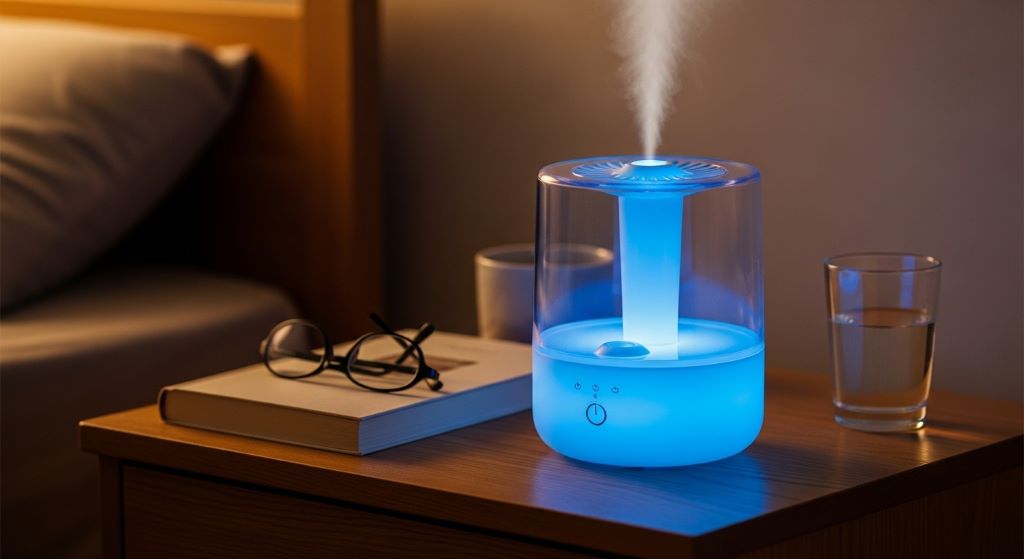
Cool mist humidifier technology offers several advantages for bedroom use. These units don’t heat water, making them safer and more energy-efficient. They work well in any climate without adding warmth to your room. Additionally, many modern cool mist models operate nearly silently. This makes them ideal for sleep environments where peace and quiet matter most.
Impeller humidifiers use a rotating disk to fling water at a diffuser. This breaks the water into fine droplets that become airborne. These models are relatively quiet and affordable. However, they may not be as efficient as other types and can produce visible mist.
Key Features That Determine Noise Levels
Not all humidifiers operate at the same volume. Several design factors influence how quietly a unit runs. Understanding these elements helps you identify truly silent models before purchasing.
Motor quality significantly impacts noise production. Cheap motors often vibrate and hum loudly. Premium motors run smoothly with minimal sound. However, higher-quality motors typically increase the product’s price. Look for models specifically marketed as silent or whisper-quiet. These usually incorporate better motor technology.
Fan design matters in models that use air circulation. Larger, slower-moving fans create less noise than small, fast-spinning ones. Additionally, fan blade shape affects sound levels. Aerodynamic designs move air efficiently without creating turbulence and noise. Some manufacturers test multiple blade configurations to minimize sound.
Vibration dampening features reduce operational noise considerably. Rubber feet or pads prevent vibrations from transferring to surfaces. Internal dampening materials absorb mechanical vibrations before they create sound. These features add minimal cost but make substantial differences in perceived noise.
Water tank design influences sound during operation. Poorly designed tanks can create bubbling or gurgling noises. Quality tanks minimize these sounds through clever engineering. Additionally, the way water feeds into the mechanism affects noise levels. Smooth, controlled flow operates more quietly than splashing or dripping water.
Control systems also contribute to overall noise. Digital displays with bright lights or beeping buttons can disturb sleep. Look for models with dimmable or off-able displays. Touch controls or quiet buttons are preferable to loud mechanical switches. These small details matter when the device runs all night near your bed.
Setting a Realistic Budget for Quality Performance
Determining how much to spend requires balancing features against financial constraints. Humidifiers range from under twenty dollars to several hundred. However, price doesn’t always indicate quality or suitability for your needs.
Budget-friendly options under fifty dollars can work adequately for small bedrooms. These basic models usually lack advanced features but perform the core function of adding moisture. They might run slightly louder than premium alternatives. Additionally, build quality may not support years of daily use. However, they serve as good entry points to see if humidification improves your sleep.
Mid-range models between fifty and one hundred dollars offer better value for most people. These devices typically include improved motors for quieter operation. Furthermore, they often feature larger tanks requiring less frequent refilling. Build quality generally supports regular use for several years. Many quiet humidifier options fall into this price category, making it the sweet spot for bedroom use.
Premium units above one hundred dollars provide advanced features and superior construction. These might include smart controls, air quality sensors, or whisper-silent operation. However, question whether you truly need these extras. A simpler model might serve your purposes equally well at half the cost. Therefore, carefully evaluate which features genuinely matter for your situation.
Long-term costs extend beyond the initial purchase price. Consider replacement filters if the model requires them. Calculate how much electricity the unit consumes over months of use. Additionally, factor in cleaning supplies and descaling solutions. A slightly more expensive model with lower operating costs might actually save money over time.
Sales and discounts can help you afford better models. Many retailers offer significant markdowns during seasonal sales. Online shopping often provides lower prices than physical stores. However, verify return policies before purchasing. You want the option to return a unit if it proves too loud for your bedroom.
Essential Features for Bedroom Use
Beyond quiet operation, several features enhance bedroom humidifier performance. Prioritizing these characteristics ensures you select a model that truly meets your needs.
Tank capacity determines how often you need to refill the device. Larger tanks run longer between fills, which is convenient for overnight use. However, bigger tanks make the unit heavier and take up more space. For bedrooms, look for tanks holding at least two liters. This typically provides eight to twelve hours of operation, covering a full night’s sleep.
Automatic shut-off prevents the device from running dry. This safety feature turns the unit off when water runs out. Without it, humidifiers can overheat or become damaged. Additionally, running an empty humidifier wastes electricity. All modern units should include this basic protection.
Adjustable output controls let you customize moisture levels. Some nights require more humidity than others. Variable settings help you maintain comfortable conditions without over-humidifying. Moreover, lower settings often run more quietly than maximum output. This flexibility proves valuable throughout changing seasons.
Easy cleaning access matters more than many people realize. Humidifiers require regular cleaning to prevent mold and bacteria growth. Models with removable tanks and wide openings simplify this maintenance. Difficult-to-clean units often get neglected, leading to health concerns. Therefore, prioritize designs that make cleaning straightforward.
Timer functions add convenience for bedroom use. You might want the humidifier running only during sleep hours. Built-in timers automate this without requiring smart home integration. Additionally, timers help control electricity usage and water consumption. This feature proves especially useful if you forget to turn off devices.
Night light options suit some users while bothering others. If you need a gentle light for nighttime navigation, integrated lighting helps. However, ensure any lights can be dimmed or turned off completely. Bright displays can interfere with sleep quality just as much as noise.
How to Test Noise Levels Before Buying
Evaluating noise becomes challenging when shopping online. However, several strategies help you assess whether a model will disturb your sleep.
Decibel ratings provide objective measurements when available. Manufacturers sometimes list maximum noise levels in product specifications. For bedroom use, look for units operating below 35 decibels. This roughly equals a whisper or quiet library. Anything above 40 decibels might disturb light sleepers. However, not all manufacturers provide this information.
Customer reviews offer real-world perspectives on noise levels. Read multiple reviews to identify consistent patterns. Pay special attention to reviews from light sleepers or those who specifically mention bedroom use. Additionally, look for comments about different speed settings, as noise varies with output levels.
Video reviews demonstrate actual operation sounds. Many content creators post unboxing and testing videos online. These let you hear the device running in various modes. Furthermore, reviewers often compare noise levels to familiar sounds. This helps you gauge whether the volume suits your tolerance.
In-store testing remains the gold standard when possible. Visit retailers that display working models. Listen to the device run at different settings. Additionally, cup your hands around your ears to simulate how it might sound in a quiet bedroom at night. Store environments are typically noisy, so this technique helps you focus on the device’s actual sound.
Return policies provide safety nets for online purchases. Choose retailers offering hassle-free returns within reasonable timeframes. This allows you to test the device in your actual bedroom. If it proves too loud, simply return it and try another model. Therefore, always verify return terms before completing your purchase.
Maximizing Performance While Minimizing Costs
Getting the most value from your humidifier involves more than just selecting the right model. Smart usage and maintenance strategies extend device lifespan and improve efficiency.
Proper placement affects both performance and perceived noise. Position the unit on a stable, level surface away from walls. This prevents vibrations from amplifying through nearby objects. Additionally, place it at least a few feet from your bed. Even quiet devices sound louder when positioned directly beside your pillow.
Room size matching ensures efficient operation. Oversized units waste energy in small bedrooms. Conversely, undersized models run constantly without achieving desired humidity. Check manufacturer specifications for recommended room sizes. Therefore, select appropriately sized units for your specific space.
Regular cleaning prevents efficiency loss and extends lifespan. Empty and rinse the tank daily to prevent mineral buildup. Deep clean the entire unit weekly using white vinegar. This removes scale deposits that reduce performance. Additionally, clean devices run more quietly than ones with buildup causing vibrations.
Water quality influences maintenance requirements and device longevity. Hard water leaves mineral deposits that clog mechanisms. Using distilled or filtered water reduces this problem significantly. However, distilled water adds ongoing costs. Balance this expense against potential repair or replacement costs from mineral damage.
Seasonal usage patterns affect what features you need. You might only use the humidifier during dry winter months. Therefore, paying premium prices for year-round features makes less sense. Additionally, seasonal use means you can opt for smaller tanks since you’ll be more attentive during active usage periods.
Energy-efficient operation saves money over time. Look for units with automatic humidity sensors that cycle on and off as needed. This prevents over-humidification while reducing electricity usage. Moreover, running the device only when necessary extends its operational lifespan.
Common Mistakes to Avoid When Shopping
Many buyers make predictable errors that lead to disappointment or overspending. Awareness of these pitfalls helps you make smarter decisions.
Focusing solely on price often backfires. The cheapest option rarely provides the best value. These units typically fail quickly or operate too loudly for bedroom use. However, the most expensive model isn’t automatically the best choice either. Therefore, seek the best combination of features and quality within a reasonable budget.
Ignoring tank capacity leads to frustration. Small tanks require multiple nightly refills, disrupting your sleep. Calculate how long the tank lasts at your preferred output setting. Additionally, consider your willingness to refill devices during the night. Larger tanks cost slightly more but provide significantly better convenience.
Overlooking cleaning requirements creates health risks. Some designs are nearly impossible to clean thoroughly. Mold and bacteria growth in these units can worsen air quality instead of improving it. Always check how easily you can access all components. Furthermore, read reviews specifically mentioning cleaning experiences.
Assuming all cool mist humidifier models are equally quiet causes disappointment. Technology type influences noise, but design quality matters more. Two ultrasonic units can have vastly different sound levels. Therefore, research specific models rather than assuming category-wide characteristics.
Neglecting bedroom size compatibility reduces effectiveness. A unit too small for your space will run continuously without achieving comfortable humidity. This wastes energy and may shorten device lifespan. Conversely, oversized units can create excessive moisture, encouraging mold growth. Match the humidifier’s capacity to your actual room dimensions.
Skipping warranty considerations proves costly if problems arise. Quality manufacturers stand behind their products with solid warranties. A good warranty indicates company confidence in their product. Additionally, it protects your investment if defects appear. Always check warranty terms and registration requirements.
Signs You’ve Found the Right Humidifier
Certain indicators suggest you’ve identified a model that will serve you well. Recognizing these signs helps confirm your choice before purchasing.
Consistent positive reviews across multiple platforms indicate reliability. Look for praise regarding specific features you value. Additionally, pay attention to how companies respond to negative reviews. Good customer service helps resolve any issues that might arise. Therefore, overall review patterns matter more than any single opinion.
Appropriate pricing for included features suggests fair value. Research similar models to understand market rates. A device priced significantly below comparable units might cut corners on quality. However, moderately priced options often provide excellent performance. Trust the middle ground unless specific needs justify premium spending.
Clear specifications help you make informed decisions. Quality manufacturers provide detailed information about coverage area, tank size, and noise levels. Vague descriptions often hide inferior performance. Additionally, good documentation suggests better overall product support. Therefore, prefer brands that transparently share detailed product information.
Retailer availability across multiple stores indicates market acceptance. Products sold through various channels have proven themselves to retailers. This suggests reliable performance and customer satisfaction. However, exclusive models aren’t necessarily inferior, especially from reputable brands.
Energy efficiency certifications demonstrate environmental responsibility and cost savings. Look for Energy Star ratings or similar certifications. These ensure the device meets efficiency standards. Moreover, efficient models reduce your environmental impact. This matters increasingly to conscious consumers.
Maintaining Your Investment for Long-Term Savings
Proper care ensures your humidifier lasts for years rather than months. Regular maintenance prevents costly repairs or premature replacement.
Daily maintenance takes minimal time but prevents major problems. Empty any remaining water each morning. Rinse the tank with clean water and let it air dry. This simple routine prevents standing water from becoming a bacteria breeding ground. Additionally, it reduces mineral deposit accumulation.
Weekly deep cleaning keeps the unit functioning optimally. Disassemble all removable parts according to manufacturer instructions. Soak components in a white vinegar solution for thirty minutes. Scrub away any visible deposits with a soft brush. Rinse thoroughly and allow everything to dry completely before reassembling.
Filter replacement schedules vary by model. Some units require monthly changes while others last several months. Mark your calendar when you install new filters. Additionally, inspect filters regularly between changes. Heavy use or poor water quality might necessitate more frequent replacements. Therefore, monitor actual condition rather than relying solely on time intervals.
Storage between seasons protects your investment. Clean the unit thoroughly before storing. Ensure all components are completely dry to prevent mold growth. Store in a cool, dry place away from temperature extremes. Additionally, keep the original packaging if possible, as it provides ideal protection.
Descaling procedures remove stubborn mineral buildup. Use commercial descaling solutions or white vinegar for this deeper cleaning. Follow manufacturer recommendations for frequency. Hard water areas require more frequent descaling. Moreover, regular descaling prevents mechanical failures caused by deposits interfering with moving parts.
Troubleshooting minor issues prevents unnecessary replacements. Many problems have simple solutions. Reduced output might just need cleaning rather than indicating failure. Strange noises often result from improper assembly after cleaning. Consult the manual before assuming the unit needs replacement. Therefore, basic troubleshooting saves money and extends device life.
Conclusion
Selecting the perfect bedroom humidifier doesn’t require excessive spending. Understanding your specific needs and room characteristics guides you toward appropriate options. Focus on truly quiet humidifier models designed specifically for sleep environments. Additionally, prioritize essential features like adequate tank capacity and easy cleaning over unnecessary extras.
Research thoroughly before purchasing by reading reviews and comparing specifications. Look for cool mist humidifier technology if you want energy efficiency and safety. Set a realistic budget in the fifty to one hundred dollar range for quality performance. Furthermore, remember that proper maintenance significantly extends your investment’s lifespan.
Avoid common mistakes like ignoring tank size or assuming price alone indicates quality. Test noise levels through available resources before committing to a purchase. Moreover, choose models with good warranties and strong customer service support. These factors ensure satisfaction long after the initial purchase.
The right humidifier improves sleep quality, supports respiratory health, and creates a more comfortable bedroom environment. Making an informed choice means enjoying these benefits without regret or financial strain. Take time to evaluate options carefully, and you’ll find a device that serves you well for years to come.
Frequently Asked Questions
How much should I expect to spend on a quality bedroom humidifier?
Most people find excellent bedroom humidifiers in the fifty to one hundred dollar range. These mid-range models balance quiet operation with reliable performance and durability. Budget options under fifty dollars might work for small spaces but often compromise on noise levels. Premium models above one hundred dollars offer advanced features that most users don’t actually need for basic bedroom humidification.
What noise level is considered acceptable for bedroom use?
Look for humidifiers operating below 35 decibels for bedroom use. This noise level compares to a whisper or quiet library. Light sleepers might prefer even quieter units around 25-30 decibels. Anything above 40 decibels can potentially disturb sleep, especially for sensitive individuals. Always check customer reviews specifically mentioning bedroom use to gauge real-world noise experiences.
How often do I need to clean my bedroom humidifier?
Daily rinsing of the water tank prevents bacteria growth and maintains hygiene. Additionally, perform a deep cleaning with white vinegar solution weekly. This removes mineral deposits and prevents mold development. Neglecting regular cleaning can lead to health problems and reduced performance. The time investment is minimal compared to the benefits of proper maintenance.
Is distilled water really necessary for humidifiers?
While not absolutely mandatory, distilled water significantly reduces mineral buildup and white dust. Tap water contains minerals that accumulate in the device and can be dispersed into the air. Using distilled water extends your humidifier’s lifespan and reduces cleaning frequency. However, filtered water provides a middle-ground option that costs less than distilled while still reducing mineral content compared to tap water.
Can a humidifier actually help me sleep better?
Yes, maintaining proper humidity levels between 30-50 percent improves sleep quality for most people. Adequate moisture prevents dry throat, nasal congestion, and uncomfortable breathing that disrupts rest. Additionally, proper humidity reduces snoring and helps your immune system function better during sleep. However, results vary by individual, so monitor how you feel after introducing a humidifier to your bedroom.
Related Topics:
What does a cool-mist humidifier do?
Mastering Towel Storage for a Serene Bathroom Sanctuary