
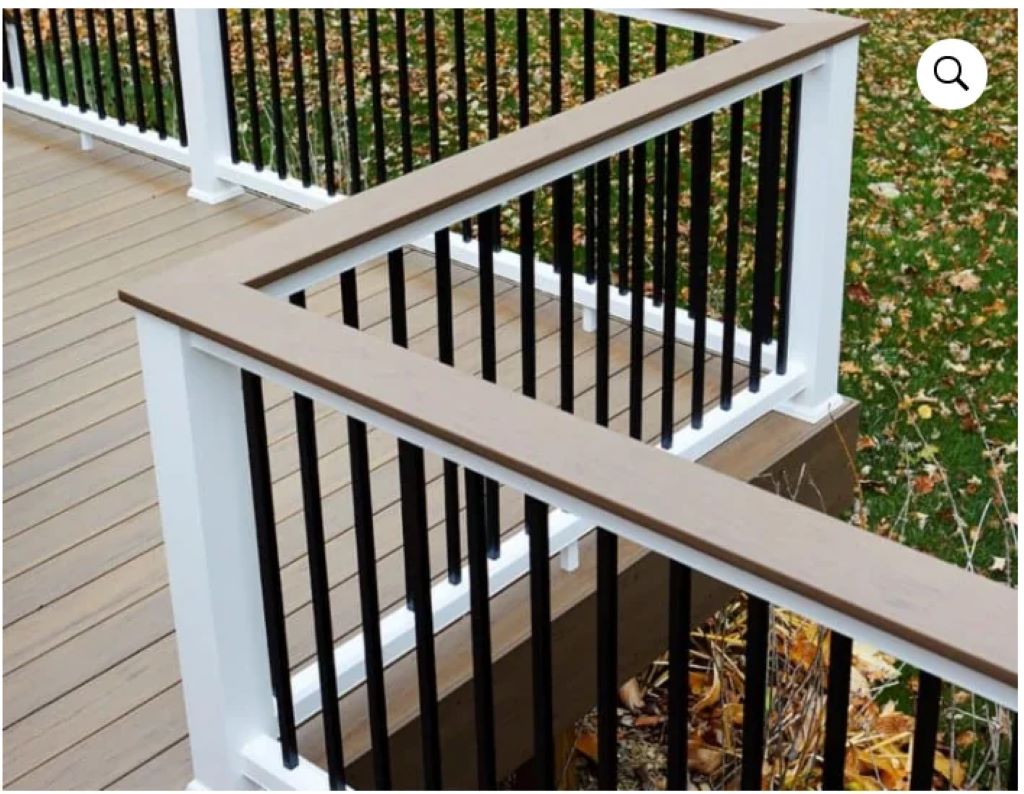
Building a deck is a fantastic way to expand your living space and enjoy the outdoors. But once the deck boards are down, you’ve got another important decision: how far apart should those railing posts be? It’s a question of both safety and aesthetics and getting it right is key to a beautiful and functional deck. Some people even explore options like an IKEA METOD suspension rail alternative when considering railing support methods, blending creativity with practicality for a sturdy and stylish finish.
This seemingly simple question involves a few factors, and unfortunately, there’s no one-size-fits-all answer. But don’t worry, we’ll break down everything you need to know to confidently space your railing posts like a pro.
-
Building Codes Set the Limits
First and foremost, consult your local building codes. They often dictate the maximum allowable spacing between posts to ensure railing strength and safety. Common maximums are 6 feet for standard residential railings, but this can vary. Some codes allow up to 8 feet with specific materials or reinforced systems. Always prioritize safety and compliance, and for additional insights into safe railing installations, explore Vincentjameshomes blog for up-to-date guidance.
-
Material Matters
The type of railing material significantly impacts post spacing:
- Wood: Traditional wood railings typically have the shortest spans, usually around 6 feet with 4×4 posts. Stronger wood like 6×6 posts might allow for slightly wider spacing.
- Composite: Composite railing systems often offer more flexibility, sometimes allowing spans up to 8 feet. This is due to their increased strength and resistance to sagging.
- Metal: Metal railings, like aluminum or steel, can sometimes handle even longer spans depending on the specific system and design.
-
Consider the Railing Style
The style of your railing also plays a role:
- Traditional picket railings: These usually adhere to the standard spacing rules mentioned above.
- Cable railings: Cable railings, with their thin cables, may require closer post spacing or additional support to prevent excessive deflection.
- Glass railings: Glass panels can be heavy, potentially requiring closer post spacing or stronger posts for adequate support.
-
Aim for Visual Balance

While safety and codes are paramount, aesthetics shouldn’t be ignored. Evenly-spaced posts create a clean and balanced look. Avoid awkward gaps or overly wide sections that disrupt the visual flow.
-
Calculating Post Spacing
Here’s a simple process to determine your ideal post spacing:
- Measure: Measure the total length of the railing run.
- Divide: Divide the total length by the maximum allowable spacing according to your local code and railing material (e.g., 6 feet).
- Round-Up: Round the result up to the nearest whole number. This is the number of railing sections you’ll need.
- Divide Again: Divide the total railing length by the number of sections to get the final post spacing.
Example:
Let’s say your railing run is 15 feet long, and your code allows a maximum of 6 feet between posts.
- 15 feet / 6 feet = 2.5 sections
- Round 2.5 up to 3 sections
- 15 feet / 3 sections = 5 feet spacing between posts
Pro Tip: Always err on the side of closer spacing if you’re unsure. It’s better to have an extra post than a railing that feels flimsy or unsafe.
Creating Stunning Landscapes: Tips and Tricks for Homeowners
-
Special Considerations
- Corners: Corners require extra attention. Ensure posts are sturdy enough to handle the change in direction and the added stress.
- Stairs: Railings on stairs often have different requirements. Building codes may mandate closer spacing and specific post heights for stair railings.
- Wind Loads: If you live in an area with high winds, you might need closer post spacing to ensure your railing can withstand the extra force.
-
Don’t Forget the Footing!
Properly spaced posts are only as good as their foundation. Ensure your posts are anchored to solid footings that meet local building codes. This is crucial for stability and preventing the railing from shifting or failing.
You Might Enjoy: What is a Sump Pump Used for? Essential Water Protection
Beyond the Basics
While this guide provides a solid foundation (pun intended!), it’s always wise to consult with a qualified contractor or building inspector. They can offer expert advice specific to your project, ensuring your railing is safe, code-compliant, and visually appealing.
By understanding the factors involved and following these guidelines, you can confidently space your deck railing posts and create a beautiful and safe outdoor space you’ll enjoy for years to come.