Picket fences, those iconic symbols of suburban charm and classic Americana, have graced properties for centuries. Their simple yet elegant design, with evenly spaced vertical pickets, creates a sense of boundary while maintaining an open and welcoming aesthetic. But have you ever paused to consider the intricate details of these fences, specifically the horizontal element that runs along the top? What exactly is that piece called, and what variations exist? This comprehensive guide will delve deep into the terminology, styles, and practical considerations of the top rail of a picket fence, providing you with a complete understanding of this essential component.
The Fundamental Terminology: Top Rail, Cap Rail, and Beyond
The most common and accurate term for the horizontal piece at the top of a picket fence is the top rail. It serves as a crucial structural element, tying the pickets together and providing stability to the entire fence. While “top rail” is the universally accepted term, you might encounter other names depending on regional variations or specific design contexts. One such term is cap rail.
In some cases, “cap rail” is used interchangeably with “top rail,” particularly when the horizontal piece is wider and more decorative, resembling a cap or cover. However, it’s important to note that a true cap rail often refers to a separate, additional piece that sits atop the top rail, adding a decorative flourish or providing extra protection. In essence, while all cap rails might be considered top rails, not all top rails are cap rails. The distinction lies in the complexity and purpose of the piece.
Beyond these core terms, you may encounter phrases like “upper rail” or “horizontal member,” which are simply broader descriptions of the same component. The specific terminology might also vary depending on the materials used. For instance, a wooden top rail will be referred to as such, while a vinyl top rail will be described accordingly. Understanding these nuances is essential for clear communication when discussing or purchasing picket fence materials.
Exploring the Diverse Styles of Top Rails
The top rail of a picket fence isn’t just a functional element; it’s also a significant design feature that contributes to the overall aesthetic appeal of the fence.
Here’s a look at some of the most common styles:
- Flat Top Rail: This is the simplest and most prevalent style, featuring a flat, rectangular piece of wood or vinyl. It offers a clean and understated look, making it suitable for a wide range of architectural styles. Flat-top rails are often preferred for their practicality and affordability.
- Rounded Top Rail: This style features a top rail with rounded edges, providing a softer and more refined appearance. It’s often used in traditional or cottage-style settings, adding a touch of elegance to the fence. The rounded edges also offer a safer, smoother surface, reducing the risk of splinters or sharp edges.
- Chamfered Top Rail: A chamfered top rail has beveled or angled edges, creating a slightly more detailed and visually interesting profile. This style strikes a balance between the simplicity of a flat top rail and the elegance of a rounded top rail.
- Decorative Top Rail: This category encompasses a wide range of ornate and embellished top rails, often featuring intricate carvings, moldings, or other decorative elements. Decorative top rails are typically used in high-end or custom-designed fences, adding a touch of grandeur and sophistication.
- Scalloped Top Rail: This style presents a wave-like pattern along the top of the rail. This is often used in more whimsical designs.
- Dog-Eared Top Rail: This design features angled cuts at the end of the top rail, reducing sharp corners.
The choice of top rail style depends on personal preference, the architectural style of the property, and the desired level of formality.
Materials Matter: Wood, Vinyl, and Beyond
The material used for the top rail significantly impacts the fence’s durability, maintenance requirements, and overall appearance.
Here’s a breakdown of the most common materials:
- Wood: Traditionally, wood has been the material of choice for picket fences, including top rails. It offers a natural beauty, warmth, and versatility, allowing for a wide range of styles and finishes. However, wood requires regular maintenance, such as painting or staining, to prevent rot, decay, and insect damage. Common wood species used for top rails include cedar, redwood, and pressure-treated pine.
- Vinyl: Vinyl picket fences have gained popularity in recent years due to their low maintenance requirements and durability. Vinyl top rails are resistant to rot, decay, and insect damage, and they don’t require painting or staining. They are available in a variety of colors and styles, offering a long-lasting and aesthetically pleasing option.
- Composite: Composite materials, a blend of wood fibers and recycled plastics, offer a balance of durability and aesthetic appeal. Composite top rails are resistant to rot, decay, and insect damage, and they require minimal maintenance. They are also environmentally friendly, as they often utilize recycled materials.
- Metal: While less common for traditional picket fences, metal top rails, such as wrought iron or aluminum, can be used to create a more contemporary or industrial look. Metal top rails are durable and require minimal maintenance, but they may be more expensive than wood or vinyl options.
The choice of material depends on factors such as budget, desired aesthetics, and maintenance preferences.
Related: Cheap DIY Pool Fence Ideas for All Homeowners
Installation and Practical Considerations
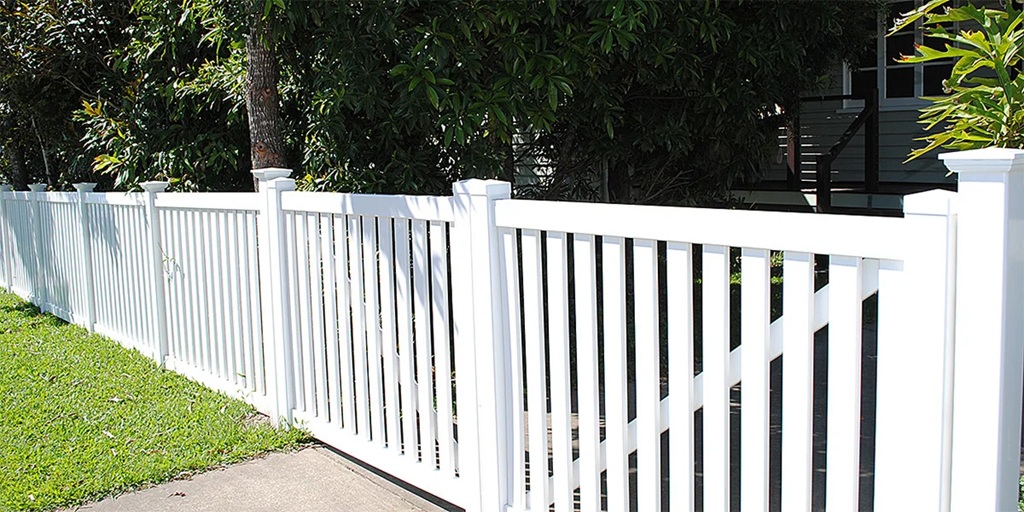
Proper installation of the top rail is crucial for the stability and longevity of the picket fence. The top rail should be securely attached to the fence posts and pickets, ensuring that it provides adequate support. The spacing between the pickets and the height of the top rail should be consistent throughout the fence.
When installing a top rail, consider the following practical considerations:
- Leveling: Ensure that the top rail is level and straight, creating a visually appealing and structurally sound fence.
- Spacing: Maintain consistent spacing between the pickets and the top rail, ensuring uniform appearance and structural integrity.
- Fasteners: Use appropriate fasteners, such as screws or nails, to securely attach the top rail to the posts and pickets.
- Weather Protection: If using wood, apply a weather-resistant finish to the top rail to protect it from moisture and UV damage.
- Local Codes: Check local building codes and regulations to ensure that your fence installation complies with all requirements.
People Also Ask (FAQs)
- Q: Can I replace just the top rail of my picket fence?
- A: Yes, you can replace just the top rail if it’s damaged or worn. However, ensure that the new top rail is compatible with the existing posts and pickets.
- Q: How do I prevent my wooden top rail from rotting?
- A: Apply a weather-resistant sealant or stain to the wood, and ensure proper drainage to prevent moisture buildup. Regularly inspect the wood for signs of rot or decay.
- Q: Are vinyl top rails stronger than wooden top rails?
- A: Vinyl top rails are generally more durable and resistant to damage than untreated wooden top rails. However, the strength of both materials can vary depending on the specific product and installation.
- Q: Can I paint a vinyl top rail?
- A: While it’s possible to paint vinyl, it’s generally not recommended. Vinyl is designed to retain its color and finish, and painting may not adhere properly or may require frequent touch-ups.
- Q: How high should my top rail be?
- A: The height of the top rail depends on the overall height of the fence and personal preference. A common height is between 3 and 4 feet, but local building codes may have specific requirements.
Related: What is a Slotted Fence Post?
Conclusion: The Crown Jewel of Your Picket Fence
The top rail of a picket fence, whether referred to as a cap rail or simply a top rail, plays a vital role in both the structural integrity and aesthetic appeal of the fence. By understanding the different styles, materials, and installation considerations, you can make informed decisions when choosing or replacing the top rail of your picket fence. Whether you opt for a simple flat top rail or a more ornate decorative design, the top rail serves as the crowning touch, completing the classic and timeless look of your picket fence. It is more than a simple horizontal plank, it is a key component to the fence’s overall design and functionality. By paying attention to the details, you can create a picket fence that enhances the beauty and value of your property for years to come.