Grinders are indispensable tools for professionals and DIY enthusiasts alike, used for cutting, grinding, and polishing a variety of materials. However, one of the most frequent issues users encounter is grinder overheating. This problem can reduce efficiency, damage the tool, and even pose safety risks. In this article, we’ll explore the common causes of grinder overheating, practical solutions to prevent it, and maintenance tips to keep your grinder running smoothly. Whether you’re a seasoned tradesperson or a weekend warrior, this guide will help you tackle overheating issues with confidence.
Why Does a Grinder Overheat?
Grinder overheating occurs when the tool generates excessive heat due to friction, prolonged use, or internal issues. Understanding the root causes is the first step toward finding effective solutions. Here are the most common reasons why grinders overheat:
1. Prolonged Continuous Use
Grinders are powerful tools, but most models aren’t designed for extended, uninterrupted operation. Running a grinder for long periods without breaks causes the motor to overwork, leading to heat buildup. Angle grinders, for instance, are particularly prone to this issue when used for heavy-duty tasks like cutting thick metal or grinding concrete.
2. Blocked Air Vents
The motor in a grinder relies on air circulation to dissipate heat. Dust, debris, and metal particles generated during grinding can clog the air vents, restricting airflow. When ventilation is compromised, the motor struggles to stay cool, resulting in overheating.
3. Worn-Out or Incorrect Accessories
Using worn-out grinding discs, brushes, or cutting wheels increases friction, forcing the grinder to work harder. Similarly, using accessories that aren’t compatible with your grinder’s specifications (e.g., a disc with the wrong RPM rating) can strain the motor and cause overheating.
4. Overloading the Tool
Applying excessive pressure while grinding or cutting can overload the motor. This is a common mistake among beginners who assume pushing harder will speed up the task. Overloading not only causes overheating but also accelerates wear and tear on the tool’s components.
5. Faulty Internal Components
Worn bearings, damaged armature windings, or a failing motor can generate excessive heat. These issues often develop over time due to regular use or improper maintenance, making it harder for the grinder to operate efficiently.
6. Low-Quality or Underpowered Grinders
Budget grinders may lack the robust cooling systems or durable components found in premium models. An underpowered grinder will struggle with demanding tasks, leading to overheating and potential burnout.
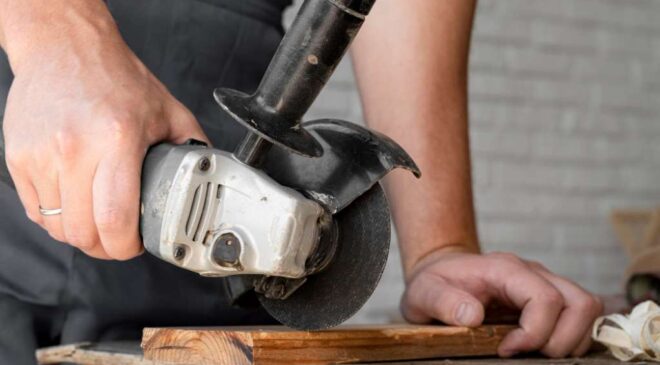
Solutions to Grinder Overheating Problems
Now that we’ve identified the causes, let’s dive into practical solutions to prevent and address grinder overheating. These tips will help you extend the life of your tool and ensure safe, efficient operation.
1. Take Regular Breaks
To prevent overheating from prolonged use, adopt a work-rest cycle. For most grinders, a good rule of thumb is to run the tool for 15-20 minutes, then let it rest for 5-10 minutes. This allows the motor to cool down and reduces strain. For heavy-duty tasks, consider using a more powerful grinder designed for extended use, such as an industrial-grade model.
2. Clean Air Vents Regularly
Keep your grinder’s air vents free of debris to ensure proper airflow. After each use, use compressed air or a soft brush to remove dust and particles from the vents. Avoid using water or liquid cleaners, as they can damage the motor. For grinders used in dusty environments, such as drywall sanding or concrete grinding, consider investing in a model with dust-sealed vents or a dust extraction system.
3. Use High-Quality, Compatible Accessories
Always use accessories that match your grinder’s specifications. Check the RPM rating, size, and material compatibility of grinding discs, cutting wheels, or wire brushes before attaching them. Replace worn-out accessories promptly, as dull or damaged tools increase friction and heat. Opt for high-quality accessories from reputable brands to ensure durability and performance.
4. Apply Moderate Pressure
Let the grinder do the work. Applying excessive force not only causes overheating but also produces uneven results and increases the risk of kickback. Hold the grinder firmly but allow the tool’s speed and weight to handle the task. If you’re struggling to make progress, consider switching to a more aggressive disc or a grinder with higher power output.
5. Inspect and Maintain Internal Components
Regular maintenance is key to preventing overheating caused by faulty components. Check the grinder’s bearings, brushes, and armature periodically for signs of wear. If you notice unusual noises, vibrations, or excessive heat, it may be time to replace worn parts or have the tool serviced by a professional. Lubricate moving parts as recommended by the manufacturer to reduce friction.
6. Invest in a Quality Grinder
If overheating is a recurring issue, your grinder may not be up to the task. Consider upgrading to a model with advanced cooling features, such as enhanced ventilation, thermal overload protection, or a more powerful motor. Brands like DeWalt, Makita, and Bosch offer reliable grinders designed for heavy-duty applications. While premium models cost more upfront, they save money in the long run by reducing downtime and repair costs. Also, discover Must-Have Garden Tools for Every Gardener.
Additional Tips to Prevent Grinder Overheating
Beyond addressing specific causes, adopting good practices can help you avoid overheating issues altogether. Here are some additional tips to keep your grinder in top condition:
- Store Properly: Store your grinder in a dry, dust-free environment to prevent corrosion and debris buildup. Use a protective case or bag to shield it from moisture and impact.
- Read the Manual: Every grinder is different. Familiarize yourself with the manufacturer’s guidelines for usage, maintenance, and accessory compatibility.
- Use the Right Power Source: For corded grinders, ensure the power outlet provides the correct voltage and amperage. For cordless models, use fully charged, compatible batteries to avoid performance issues.
- Wear Protective Gear: Overheating can sometimes lead to sparks or disc failure. Always wear safety glasses, gloves, and a dust mask to protect yourself during operation.
- Monitor Heat Levels: If the grinder feels excessively hot to the touch, stop using it immediately and let it cool down. Persistent overheating may indicate a deeper issue that requires professional attention.
When to Seek Professional Help
If you’ve tried the above solutions and your grinder continues to overheat, it’s time to consult a professional. Persistent overheating could indicate serious issues like a damaged motor or electrical faults, which require specialized tools and expertise to repair. Contact the manufacturer’s service center or a certified repair shop to diagnose and fix the problem. In some cases, replacing the grinder may be more cost-effective than repairing extensive damage.
Conclusion
Grinder overheating is a common issue, but it’s not insurmountable. By understanding the causes—such as prolonged use, blocked vents, or worn accessories—you can take proactive steps to prevent it. Regular maintenance, proper usage techniques, and investing in quality tools are key to keeping your grinder cool and efficient. With the solutions outlined in this guide, you’ll be able to tackle overheating problems, extend the life of your grinder, and complete your projects safely and effectively.
If you’re experiencing grinder overheating or have questions about tool maintenance, share your thoughts in the comments below or reach out to a professional for personalized advice. Happy grinding!