Drain gnats are tiny, pesky insects that seem to appear out of nowhere, buzzing around your kitchen or bathroom sinks. These small flies, also known as drain flies or sewer gnats, thrive in moist environments like drains, where organic matter builds up. If you’re tired of these unwelcome guests, you’re not alone. Fortunately, you can tackle them with simple, cost-effective solutions from the comfort of your home. At Healthy House Plans, we believe in creating clean, pest-free living spaces, and a homemade trap for drain gnats is an excellent place to start.
Understanding Drain Gnats and Their Habits
Drain gnats are small, moth-like flies, typically 1/8 inch long, with fuzzy wings. They breed in the slimy buildup inside drains, feeding on decaying organic material. Kitchens, bathrooms, and basements are their favorite spots due to the moisture and debris found there. Unlike fruit flies, which hover around ripe produce, drain gnats stick close to drains, making them tricky to eliminate without targeting their breeding grounds. Knowing their habits is the first step to building an effective trap.
To control drain gnats, you need to disrupt their life cycle. A great resource for this is Healthy House Plans’ guide on cleaning drains, which explains how to remove the organic buildup where these pests thrive. Combining a clean drain with a homemade trap ensures long-term success.
Why Choose a Homemade Trap?
Store-bought traps and chemical sprays can be expensive and may contain harsh chemicals. Homemade traps, on the other hand, use common household items, are eco-friendly, and cost pennies to make. Additionally, they’re easy to set up and safe for homes with kids or pets. By targeting drain gnats directly at the source, these traps reduce the need for repeated treatments, saving you time and effort.
Materials Needed for a Homemade Drain Gnat Trap
Before diving into the trap-making process, gather these simple items, most of which you likely already have:
- A small bowl or jar
- Apple cider vinegar or white vinegar
- Dish soap
- Plastic wrap
- A rubber band
- Sugar (optional)
- A toothpick or fork
These materials work together to attract, trap, and eliminate drain gnats without fuss.
Step-by-Step Guide to Making the Best Homemade Trap
Creating an effective trap for drain gnats is straightforward. Follow these steps for a solution that works within hours:
Step 1: Prepare the Bait
Pour about ½ cup of apple cider vinegar into a small bowl or jar. Apple cider vinegar is highly effective because its sweet, fermented smell draws drain gnats in. If you don’t have apple cider vinegar, white vinegar works as a substitute. For extra attraction, mix in a teaspoon of sugar to enhance the scent. Stir gently until the sugar dissolves.
Step 2: Add Dish Soap
Add a few drops of dish soap to the vinegar mixture. The soap breaks the surface tension, causing the gnats to sink and drown when they land on the liquid. Be careful not to add too much soap, as a strong soapy smell can deter the gnats. Three to four drops are enough for a small batch.
Step 3: Cover the Trap
Cover the bowl or jar tightly with plastic wrap and secure it with a rubber band. This creates a barrier that traps the gnats inside. Use a toothpick or fork to poke several small holes in the plastic wrap. The holes should be large enough for drain gnats to enter but small enough to make escape difficult.
Step 4: Place the Trap
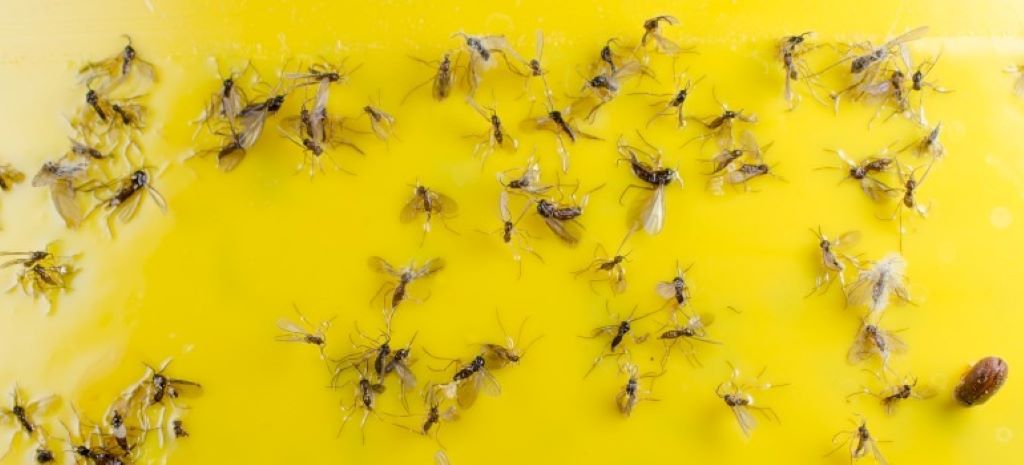
Set the trap near the infested drain, such as on the kitchen counter or bathroom sink. Drain gnats are most active at night, so leave the trap out overnight for the best results. Check it in the morning to see how many gnats you’ve caught. You may be surprised at the number!
Step 5: Maintain the Trap
Empty and refresh the trap every few days or when it becomes full of gnats. Regularly cleaning the drain, as advised by experts at Good Housekeeping, can prevent new gnats from breeding, making your trap even more effective.
Additional Tips to Prevent Drain Gnats
While a homemade trap works wonders, preventing drain gnats from returning is key. Here are some practical tips to keep your drains pest-free:
- Clean Drains Regularly: Pour boiling water or a mixture of baking soda and vinegar down your drains weekly to break down organic buildup.
- Keep Sinks Dry: Wipe down sinks after use to reduce moisture, which attracts drain gnats.
- Use a Drain Brush: A small brush can scrub away slime inside pipes where gnats breed.
- Cover Unused Drains: If a drain isn’t used often, cover it with a stopper to block gnats from entering or exiting.
- Check for Leaks: Fix leaky pipes, as standing water creates ideal breeding conditions.
For more detailed advice on maintaining clean drains, check out resources from Better Homes & Gardens.
Why This Trap Works So Well
The combination of vinegar and dish soap is a proven method for trapping drain gnats. The vinegar lures them with its enticing aroma, while the dish soap ensures they can’t escape. The plastic wrap adds an extra layer of containment, making it nearly impossible for gnats to fly out. This trap is not only effective but also reusable, as you can refresh the bait as needed. Unlike chemical sprays, it’s safe for the environment and won’t harm your plumbing.
Common Mistakes to Avoid
When setting up your trap, steer clear of these pitfalls:
- Using Too Much Soap: Excess dish soap can mask the vinegar’s scent, reducing the trap’s effectiveness.
- Making Holes Too Large: Big holes allow gnats to escape. Keep them small, about the size of a pinhead.
- Placing the Trap Too Far: Position the trap close to the drain for maximum impact.
- Ignoring Drain Maintenance: Traps alone won’t solve the problem if the drain remains dirty.
By avoiding these mistakes, you’ll ensure your trap works efficiently every time.
When to Seek Professional Help
In most cases, a homemade trap and regular drain cleaning will eliminate drain gnats. However, if the infestation persists after a week of trapping and cleaning, you may have a deeper plumbing issue, such as a clogged or broken pipe. Contact a licensed plumber to inspect your system. Persistent gnats could also indicate a larger problem, like a septic system backup, which requires professional attention.
Conclusion
Drain gnats may be small, but they can be a big nuisance. With a simple homemade trap made from vinegar, dish soap, and plastic wrap, you can eliminate these pests quickly and affordably. Pair the trap with regular drain maintenance to prevent future infestations. By following the steps outlined above and avoiding common mistakes, you’ll enjoy a gnat-free home in no time. For ongoing tips on keeping your home clean and pest-free, resources like Healthy House Plans offer practical, expert advice.
Frequently Asked Questions
- What attracts drain gnats to my home?
Drain gnats are drawn to moist environments and organic buildup in drains, such as food particles, grease, or hair.
- How long does it take for a homemade trap to work?
A well-placed trap can capture drain gnats within hours, with significant results overnight. Refresh it every few days for best results.
- Can I use something other than vinegar in the trap?
Yes, overripe fruit or wine can work as bait, but vinegar is the most effective and affordable option.
- Are drain gnats harmful?
Drain gnats are not harmful to humans or pets, but they can carry bacteria from drains, making them a hygiene concern.
- How do I know if my drain is the source of the gnats?
Place tape over the drain overnight. If gnats are stuck to it by morning, they’re likely breeding in the drain.
Read More:
How Do Powder Coating Booths Save Time and Reduce Waste in Production?