When replacing your roof, many homeowners overlook a critical component that protects their chimney and extends the life of their roofing system. A chimney cricket, also known as a saddle, is a small peaked structure installed behind your chimney to divert water away from this vulnerable area. Installing this feature during a roof replacement is not only convenient but also cost-effective and essential for long-term roof protection.
What Is a Chimney Cricket?
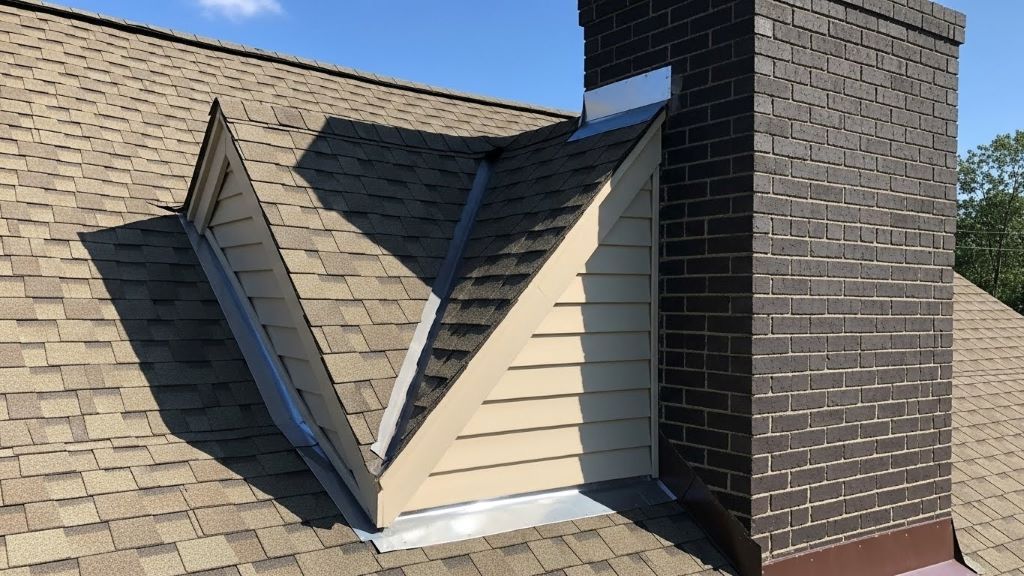
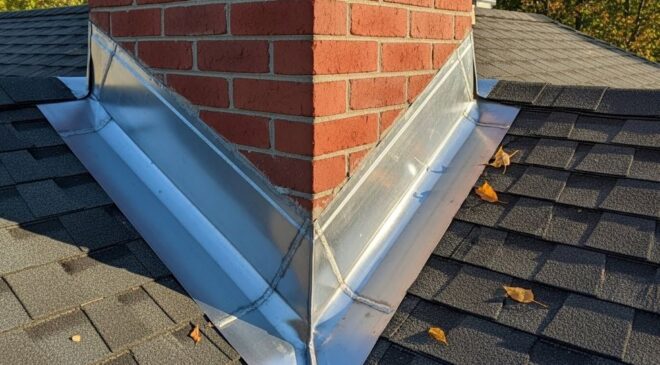
A chimney cricket is a triangular or peaked structure built on the upslope side of your chimney. This simple yet effective design channels rainwater and snow around the chimney rather than allowing it to pool behind the structure. Without proper water diversion, moisture accumulates in the valley between the chimney and the roof, eventually leading to leaks, rot, and structural damage.
Most building codes require chimney crickets for chimneys wider than 30 inches, as noted by roofing industry standards. However, many roofing professionals recommend installing them on smaller chimneys as well. The added protection significantly reduces maintenance costs and prevents water-related problems that could compromise your entire roofing system.
Why Install a Chimney Cricket During Roof Replacement?
Timing matters when it comes to chimney cricket installation. Replacing your roof creates the perfect opportunity to add this protective feature. The roof deck is already exposed, making installation straightforward and less invasive. Additionally, contractors can ensure proper integration with your new roofing materials, creating seamless protection.
Installing a cricket during roof replacement eliminates the need for future roof penetration. If you wait and install one later, contractors must cut into your new roof, potentially voiding warranties and creating new leak points. Therefore, addressing this during initial replacement saves money and hassle down the road.
Furthermore, many roofing contractors offer package deals when combining cricket installation with full roof replacement. This bundled approach reduces labor costs since workers are already on-site with necessary equipment and materials. The overall project efficiency translates to savings for homeowners.
Materials Used for Chimney Cricket Construction
Chimney crickets can be constructed from various materials, each offering different benefits. The most common options include plywood covered with matching roofing material, metal fabrication, or specialized cricket kits. Your choice depends on budget, roof type, and local climate conditions.
Plywood crickets represent the traditional approach. Contractors build a wooden frame covered with the same shingles or tiles as your roof. This method ensures aesthetic consistency and works well with most residential roofing systems. However, the wooden structure requires proper waterproofing and flashing to prevent moisture penetration.
Metal crickets, particularly those made from copper or aluminum, offer superior durability and longevity. These pre-fabricated units resist rot and require minimal maintenance. Metal options cost more upfront but provide decades of reliable service. Many high-end homes and commercial buildings prefer metal crickets for their longevity and performance.
Pre-fabricated cricket kits have gained popularity in recent years. These ready-to-install units simplify the construction process and reduce installation time. Manufacturers design these kits to fit standard chimney dimensions, making them ideal for straightforward installations. Nevertheless, custom chimneys may still require traditional construction methods.
The Installation Process Explained
Understanding the installation process helps homeowners appreciate the complexity and importance of proper cricket construction. The process begins with measuring the chimney dimensions and calculating the appropriate cricket size. Proper sizing ensures adequate water diversion while maintaining roof aesthetics.
Next, contractors remove old roofing material from the area behind the chimney. They inspect the roof deck for damage, replacing any compromised sections before proceeding. This inspection phase is crucial because hidden rot or damage can undermine the cricket’s effectiveness.
The cricket frame is then constructed or positioned according to specifications. For wooden crickets, contractors build a triangular frame that peaks at the chimney center and slopes down to the roof on both sides. Metal crickets are simply positioned and secured to the roof deck.
After securing the cricket structure, installers apply weatherproofing membranes and install flashing around the chimney base. This flashing creates a waterproof seal between the chimney, cricket, and roof surface. Proper flashing installation is absolutely critical for preventing leaks.
Finally, contractors cover the cricket with matching roofing material. Whether shingles, tiles, or metal panels, the covering material should seamlessly blend with the surrounding roof. Attention to detail during this phase ensures both functional protection and visual appeal.
Common Mistakes to Avoid
Even experienced contractors can make errors during chimney cricket installation. One frequent mistake involves inadequate cricket height. A cricket that does not extend high enough fails to properly divert water, defeating its purpose entirely. Building codes typically require the cricket peak to reach at least halfway up the chimney face.
Another common error is poor flashing installation. Gaps or improperly sealed flashing allow water to seep beneath the roofing material. Consequently, homeowners experience leaks despite having a cricket installed. Quality flashing materials and meticulous installation techniques are non-negotiable for lasting protection.
Some contractors rush the waterproofing process, skipping crucial underlayment layers. These protective barriers work in conjunction with the cricket to create a comprehensive water management system. Cutting corners on waterproofing materials leads to premature failure and expensive repairs.
Additionally, mismatched materials can create problems. Using incompatible metals for flashing and cricket construction may result in galvanic corrosion. This chemical reaction deteriorates metal components, compromising structural integrity. Professional contractors select compatible materials to prevent such issues.
Cost Considerations and Return on Investment
The cost of chimney cricket installation during roof replacement varies based on several factors. Size, materials, labor rates, and regional pricing all influence the final expense. However, most homeowners can expect to pay between $500 and $1,500 for standard cricket installation as part of a larger roofing project.
While this represents an additional upfront cost, the return on investment is substantial. Preventing even one major leak saves thousands in water damage repairs, mold remediation, and structural restoration. According to the Insurance Information Institute, water damage is among the most common and costly disasters homes experience, with proper prevention measures significantly reducing risk. Insurance companies recognize this value, and some may offer premium reductions for homes with properly installed crickets.
Moreover, a well-maintained roof with proper water management increases property value. Home inspectors specifically look for chimney crickets during evaluations. Their presence signals responsible homeownership and quality construction, making your property more attractive to potential buyers.
According to real estate experts at Realtor.com, homes with comprehensive water management systems sell faster and command higher prices. Investing in preventive measures like chimney crickets demonstrates attention to property maintenance, a quality buyers actively seek.
Maintenance and Long-Term Care
Once installed, chimney crickets require minimal but important maintenance. Regular inspections ensure the structure continues functioning properly. Homeowners should examine the cricket during annual roof inspections, looking for damaged shingles, compromised flashing, or debris accumulation.
Debris removal is particularly important. Leaves, branches, and other materials can collect behind the cricket, creating dams that block water flow. These blockages defeat the cricket’s purpose and may lead to water damage. Therefore, clearing debris at least twice yearly prevents problems.
Additionally, monitoring flashing condition prevents leaks before they start. Flashing can separate from the chimney or roof deck over time, especially in areas with extreme temperature fluctuations. Catching these issues early allows for simple repairs rather than extensive restoration work.
Professional roofers recommend having your entire roofing system, including the chimney cricket, professionally inspected every three to five years. These comprehensive evaluations identify potential problems and extend your roof’s service life significantly.
Conclusion
Installing a chimney cricket during roof replacement represents smart, forward-thinking homeownership. This relatively simple addition provides crucial protection against water damage, extends roof longevity, and prevents costly repairs. The convenience and cost savings of installation during roof replacement make it an opportunity homeowners should not miss.
Whether choosing traditional plywood construction, durable metal fabrication, or convenient pre-fabricated kits, the investment in proper chimney protection pays dividends for years to come. Professional installation ensures your cricket functions effectively, maintaining your home’s structural integrity and value. When planning your next roof replacement, make chimney cricket installation a priority for lasting peace of mind.
Frequently Asked Questions
Do all chimneys need a cricket?
Building codes typically require chimney crickets for chimneys wider than 30 inches. However, roofing professionals recommend them for smaller chimneys as well, especially in areas with heavy rainfall or snow. The added protection prevents water pooling and extends roof life regardless of chimney size.
Can I install a chimney cricket after my roof is already replaced?
Yes, but installation is more complicated and expensive after roof replacement. Contractors must cut into your existing roof, potentially voiding warranties and creating additional leak points. Installing during roof replacement is significantly more cost-effective and less invasive.
How long does a chimney cricket last?
When properly installed and maintained, chimney crickets last as long as your roofing system. Metal crickets typically outlast the roof itself, while wooden crickets covered with shingles should last 20 to 30 years with proper maintenance and periodic inspection.
Will a chimney cricket affect my home’s appearance?
No, when properly installed with matching roofing materials, chimney crickets blend seamlessly with your roof. Most homeowners never notice them visually, yet they provide critical protection. Professional installation ensures aesthetic consistency while maintaining functionality.
Is chimney cricket installation covered by homeowners insurance?
Typically, installation during new construction or roof replacement is not covered by insurance as it is considered a preventive measure. However, if your existing cricket fails and causes water damage, repairs may be covered depending on your policy. Some insurers offer discounts for homes with proper water management systems.
Related Topiccs:
Unveiling the Silent Storm: A Comprehensive Guide to Identifying Roof Damage and Protecting Home