The modern kitchen has evolved dramatically over the past decade. Today’s home cooks demand more than basic heating elements. They want precision, efficiency, and smart connectivity in their cooking appliances. The Funky Kitchen has been tracking these exciting developments as manufacturers continue to push boundaries in cooktop design and functionality.
Modern cooktop technology has transformed from simple gas flames and electric coils into sophisticated cooking platforms. These advances offer unprecedented control over temperature, cooking methods, and energy consumption. Additionally, many new models integrate seamlessly with smart home systems, allowing remote monitoring and control.
The latest innovative technologies for cooktop design include induction heating improvements, touch controls, and wireless connectivity features. However, understanding these options can feel overwhelming when shopping for your next appliance. Therefore, this comprehensive guide will explore each technology to help you make an informed decision.
Induction Technology: The Precision Revolution
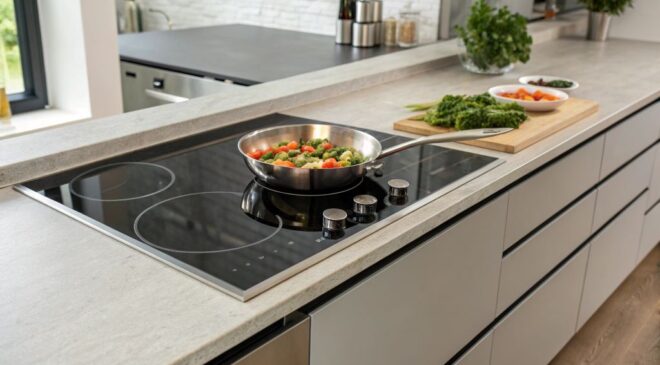
Induction cooktops represent one of the most significant advances in cooking technology. Unlike traditional electric or gas models, induction uses electromagnetic fields to heat cookware directly. This method creates instant heat response and precise temperature control that professional chefs have long appreciated.
The efficiency of induction technology surpasses conventional cooking methods by significant margins. Energy transfer rates reach up to 90 percent, compared to roughly 40-50 percent for gas cooktops. Furthermore, the cooktop surface remains relatively cool during operation, reducing burn risks and making cleanup easier.
Modern induction models feature multiple heating zones with individual controls. Some premium versions offer flexible cooking areas that automatically detect pot sizes and shapes. Additionally, these cooktops often include preset cooking programs for specific techniques like searing, simmering, or melting chocolate.
Smart Connectivity and App Integration
Connected cooktops bring kitchen appliances into the digital age through Wi-Fi and Bluetooth capabilities. These smart features allow remote monitoring, temperature alerts, and cooking timer management from smartphone apps. However, the benefits extend far beyond basic remote control functionality.
Advanced models can download cooking programs and recipes directly to the cooktop. Therefore, home cooks can follow guided cooking instructions with automatic temperature and timing adjustments. Some systems even integrate with voice assistants like Amazon Alexa or Google Assistant for hands-free operation.
Safety features in smart cooktops include automatic shut-off timers and child lock controls accessible through mobile apps. Additionally, many models send notifications when cooking cycles complete or if unusual temperature spikes occur. These features provide peace of mind for busy households juggling multiple tasks.
Touch Controls and User Interface Innovation
Traditional knobs and buttons have given way to sleek touch control panels on modern cooktops. These interfaces offer more precise adjustment options and easier cleaning surfaces. However, the real innovation lies in how these controls enhance the cooking experience through intuitive design.
Slider controls allow gradual temperature adjustments with simple finger gestures. Some models feature separate controls for each burner, while others use dynamic displays that adapt based on active cooking zones. Additionally, many touch systems include preset temperature options for common cooking tasks.
Premium cooktops may incorporate color-coded displays or LED lighting to indicate heat levels and cooking zones. These visual cues help prevent accidents and make it easier to manage multiple dishes simultaneously. Furthermore, some models offer customizable control layouts that adapt to individual cooking preferences.
Advanced Heating Elements and Zone Flexibility
Beyond induction technology, manufacturers have developed improved electric heating elements that offer better performance than traditional coil systems. Radiant heating elements provide more even heat distribution and faster temperature response times. However, the most exciting developments involve flexible cooking zones that adapt to different cookware sizes.
Bridge elements can connect two standard burners to accommodate large pans or griddle attachments. Some cooktops feature oval or rectangular zones designed specifically for specialty cookware shapes. Additionally, certain models offer dual-ring elements that automatically adjust heating area based on pot size detection.
Zone flexibility extends to power management as well. Advanced cooktops can redistribute power between burners based on cooking demands. Therefore, you can use maximum power on one zone while maintaining gentle heat on others without compromising performance.
Energy Efficiency and Environmental Considerations
Modern cooktop technologies prioritize energy efficiency alongside performance improvements. Induction models lead this category due to their direct heating method and minimal heat loss. However, even improved electric and gas options now offer better efficiency than older designs.
Energy monitoring features help users track consumption patterns and optimize cooking habits. Some smart cooktops provide usage reports through mobile apps, highlighting opportunities for more efficient cooking practices. Additionally, automatic power adjustment features prevent energy waste during extended cooking sessions.
Environmental benefits extend beyond energy savings to include reduced heat output in the kitchen. This characteristic decreases air conditioning demands during warm weather, providing additional energy savings throughout the home. Furthermore, precise temperature control reduces overcooking and food waste.
Safety Innovations and Child Protection
Safety remains a paramount concern in cooktop design, with modern models incorporating multiple protection systems. Automatic shut-off features activate when cookware is removed or after preset time limits. However, these basic safety measures have expanded into comprehensive protection suites.
Child lock systems prevent accidental activation through complex button sequences or smartphone app controls. Some models feature physical locks that cover control panels entirely. Additionally, many cooktops include residual heat indicators that warn when surfaces remain hot after cooking.
Advanced safety systems can detect boil-overs, unusual temperature spikes, or cookware compatibility issues. These features automatically adjust heat levels or shut down problematic zones to prevent damage or accidents. Therefore, families with young children can cook with greater confidence and peace of mind.
Installation and Maintenance Considerations
Installing modern cooktops often requires updated electrical or gas connections to support advanced features. Induction models typically need dedicated 240-volt circuits with adequate amperage capacity. However, many homeowners find the upgrade worthwhile for the performance benefits and long-term energy savings.
Maintenance requirements vary significantly between cooktop technologies. Induction and smooth-top electric models require gentle cleaning products to avoid surface damage. Additionally, touch controls may need recalibration occasionally to maintain responsiveness and accuracy.
Professional installation ensures proper ventilation, electrical connections, and safety compliance. Many manufacturers offer installation services or certified installer networks to simplify the process. Furthermore, extended warranty options often require professional installation to remain valid.
Future Trends and Emerging Technologies
Cooktop innovation continues advancing with emerging technologies like artificial intelligence and enhanced sensor systems. Future models may learn cooking patterns and automatically adjust settings for optimal results. However, these developments will likely appear gradually as the technology matures and costs decrease.
Integration with smart home ecosystems will expand beyond current capabilities. Imagine cooktops that coordinate with range hoods, lighting systems, and meal planning apps to create seamless cooking experiences. Additionally, voice control and gesture recognition may replace touch controls in upcoming models.
Sustainability considerations will drive development of more efficient heating methods and eco-friendly manufacturing processes. Solar-powered cooking systems and improved recycling programs for old appliances represent potential future directions. Therefore, environmental consciousness will likely influence cooktop design decisions moving forward.
Conclusion
Innovative cooktop technologies have transformed modern kitchens into precision cooking environments that offer unprecedented control, efficiency, and convenience. From induction heating and smart connectivity to flexible cooking zones and advanced safety systems, today’s options provide significant advantages over traditional designs. These technological advances cater to diverse cooking styles while prioritizing energy efficiency and user safety.
When selecting your next cooktop, consider your cooking habits, kitchen infrastructure, and desired features carefully. Additionally, factor in long-term energy savings and maintenance requirements to make the most cost-effective choice. The investment in modern cooktop technology typically pays dividends through improved cooking results, enhanced safety, and reduced energy consumption over many years of use.
Frequently Asked Questions
What is the difference between induction and traditional electric cooktops?
Induction cooktops use electromagnetic fields to heat cookware directly, while traditional electric models use heating elements that warm the cooktop surface. Induction offers faster heating, better temperature control, improved energy efficiency, and cooler surfaces for safer operation.
Do smart cooktops work without internet connectivity?
Yes, smart cooktops function normally for basic cooking operations without internet access. However, you’ll lose remote monitoring, app-based controls, software updates, and recipe download capabilities when disconnected from Wi-Fi or mobile networks.
Can I use my existing cookware with an induction cooktop?
Induction cooktops require magnetic cookware made from materials like cast iron, carbon steel, or magnetic stainless steel. Test your existing pots and pans with a magnet – if it sticks firmly to the bottom, the cookware will work with induction technology.
How much does professional cooktop installation typically cost?
Professional installation costs vary widely based on location, electrical requirements, and complexity. Basic installations range from $150-$300, while upgrading electrical systems or gas lines can add $500-$1,500 to the total project cost.
Are touch control cooktops difficult to clean and maintain?
Touch control surfaces are generally easier to clean than traditional knobs because they create smooth, seamless surfaces without crevices. Use gentle cleaners designed for glass or ceramic surfaces, and avoid abrasive materials that could scratch or damage the control panel.
Read More: