The desire for a clean and fresh-smelling home is universal. We vacuum, dust, and scrub, but what about those hidden spaces, like the air ducts that circulate air throughout our homes? When a musty odor or the suspicion of mold arises, it’s tempting to reach for a potent disinfectant like bleach. But can you pour bleach down your vents?
The short answer is no, you should not pour bleach down your vents. While bleach is a powerful disinfectant, it’s not designed for use in HVAC systems and can cause significant damage, pose health risks, and ultimately prove ineffective in addressing the root of the problem. Let’s break down the reasons why this is a bad idea and explore safer, more effective alternatives for keeping your vents clean.
The Dangers of Bleach in Your HVAC System
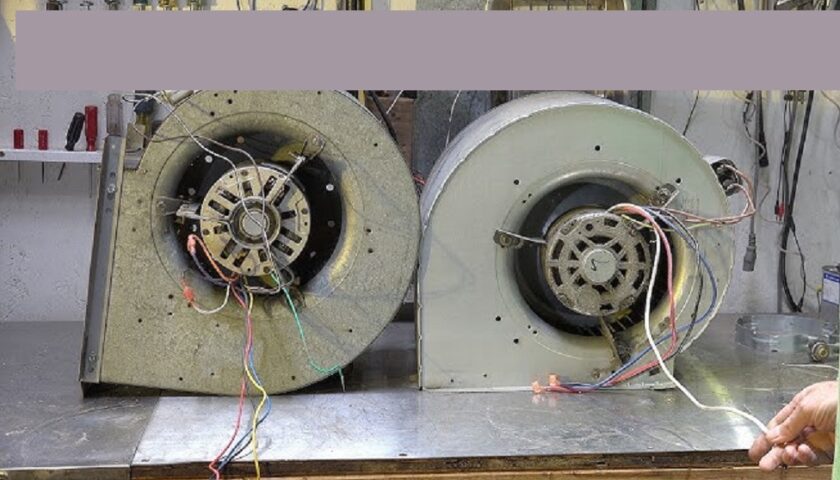
Bleach is a corrosive substance that can damage various components of your HVAC system. It can react with metals, causing corrosion and rust in ductwork, coils, and other vital parts. This corrosion can lead to leaks, reduced efficiency, and ultimately, costly repairs or even system replacement.
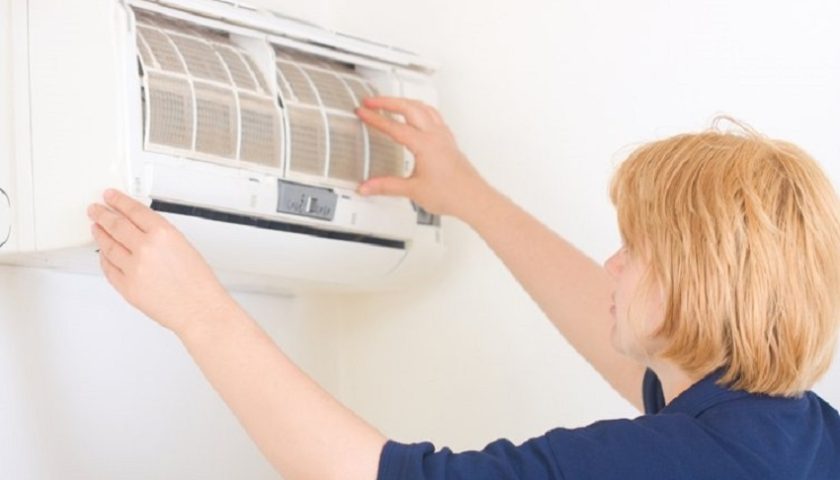
Furthermore, bleach can degrade the materials used in air filters and other sensitive components, compromising their ability to function correctly. This can lead to poorer air quality and increased strain on your system.
Health Risks Associated with Bleach Fumes
Beyond the damage to your HVAC system, pouring bleach down your vents poses significant health risks. Bleach fumes are irritating to the eyes, skin, and respiratory system. When circulated through your home, these fumes can cause coughing, wheezing, and difficulty breathing, especially for those with asthma or other respiratory conditions.
Moreover, bleach can react with other chemicals commonly found in homes, such as ammonia-based cleaners, to produce toxic gases. These gases can be extremely dangerous, even leading to severe health complications in extreme cases.
The Ineffectiveness of Bleach for Vent Cleaning
While bleach is a potent disinfectant on surfaces, it’s largely ineffective for cleaning air ducts. When poured down a vent, bleach primarily settles at the bottom, failing to reach the entirety of the ductwork where dust, mold, and other contaminants accumulate. It might temporarily mask odors, but it won’t eliminate the source of the problem.
In fact, using bleach can exacerbate the issue. The moisture introduced by the bleach can create a breeding ground for mold and mildew, worsening air quality and potentially leading to more serious problems down the line.
Safe and Effective Alternatives for Vent Cleaning
Instead of resorting to bleach, consider these safe and effective methods for cleaning your air vents:
- Professional Duct Cleaning: The most thorough way to clean your air ducts is to hire a professional HVAC technician. They have specialized tools and expertise to remove dust, debris, and contaminants from your entire system, ensuring optimal air quality and system efficiency.
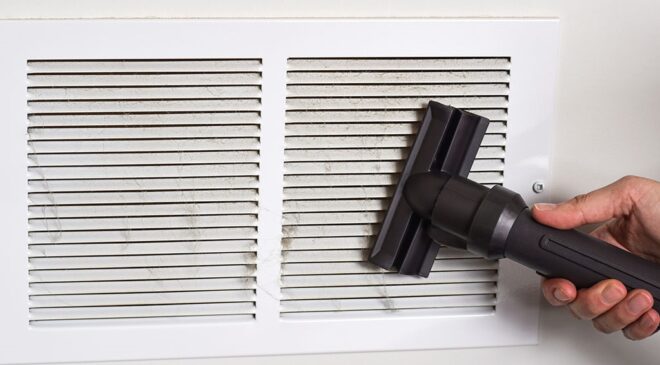
- DIY Cleaning with a Vacuum and Brush: For a less intensive cleaning, you can use a vacuum cleaner with a brush attachment to remove dust and debris from accessible vent registers. Remember to turn off your HVAC system before cleaning.
- Air Filters: Regularly replacing your air filters is crucial for maintaining good air quality. Choose high-quality filters with a MERV rating of 8 or higher for optimal filtration.
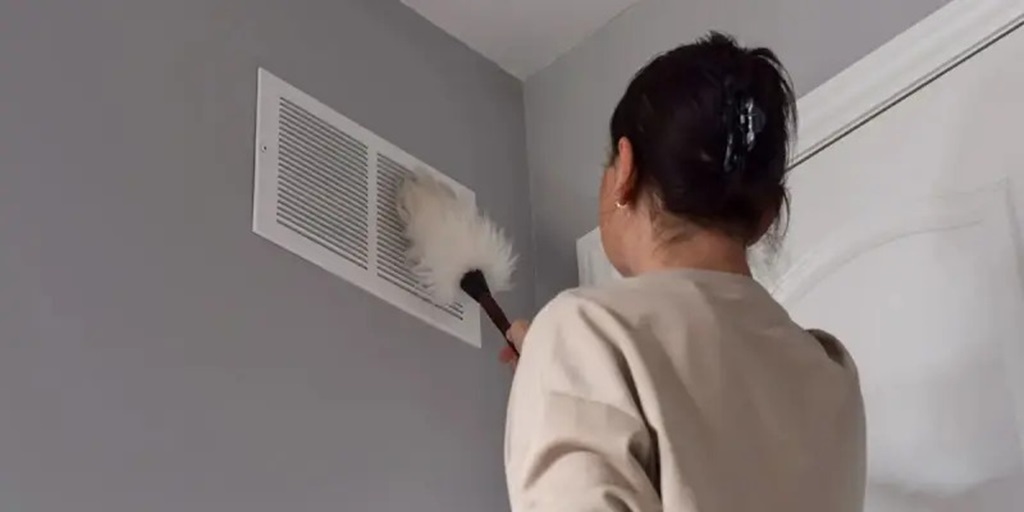
- Natural Cleaning Solutions: If you’re concerned about odors, consider using natural cleaning solutions like baking soda or vinegar. These can be mixed with water and sprayed lightly into vents to help neutralize odors without the harmful effects of bleach.
Related: How to Maintain an Air Conditioner
Frequently Asked Questions
-
What should I do if I already poured bleach down my vents?
If you’ve already poured bleach down your vents, don’t panic. Immediately turn off your HVAC system and open windows to ventilate your home. If you experience any respiratory irritation or other health issues, seek medical attention. Contact a professional HVAC technician to assess any potential damage to your system and perform a thorough cleaning.
-
How often should I have my air ducts professionally cleaned?
The frequency of professional duct cleaning depends on various factors, such as the presence of pets, allergies, and the overall cleanliness of your home. Generally, it’s recommended to have your ducts cleaned every 3-5 years. However, if you notice signs of mold, excessive dust, or decreased airflow, you may need more frequent cleanings.
-
Can I use other disinfectants in my vents?
It’s generally not recommended to use any disinfectants in your vents unless specifically designed for HVAC systems. Many household cleaners contain chemicals that can damage your system or pose health risks. Always consult your HVAC technician for safe and effective cleaning solutions.
-
How can I prevent mold growth in my air ducts?
Preventing mold growth involves controlling moisture levels and ensuring proper ventilation. Regularly inspect your ductwork for any signs of condensation or leaks. Ensure your home has adequate ventilation and consider using a dehumidifier in humid areas.
-
Will cleaning my vents improve my allergies?
Cleaning your vents can help improve indoor air quality and reduce allergens like dust mites and pet dander. However, it’s essential to address other potential allergen sources in your home, such as carpets, bedding, and upholstery.
-
Can I use essential oils in my vents?
While essential oils can provide a pleasant fragrance, it’s not recommended to use them directly in your vents. They can leave a residue that attracts dust and debris, potentially clogging your system or affecting air quality. Consider using a diffuser instead.
-
How can I tell if my air ducts need cleaning?
Several signs indicate your air ducts may need cleaning, including:
- Visible dust or debris around vent registers
- Reduced airflow
- Musty odors
- Increased allergy symptoms
- Unexplained increase in energy bills
If you notice any of these signs, it’s best to consult a professional HVAC technician for an inspection and cleaning.
Conclusion
Maintaining clean air vents is crucial for a healthy and comfortable home environment. While the urge to use a strong disinfectant like bleach might be strong, it’s essential to remember the potential risks and ineffectiveness of this approach. Opt for safer and more effective methods like professional cleaning, DIY vacuuming, and regular filter replacement. By prioritizing proper HVAC hygiene, you can ensure clean air and a well-functioning system for years to come.