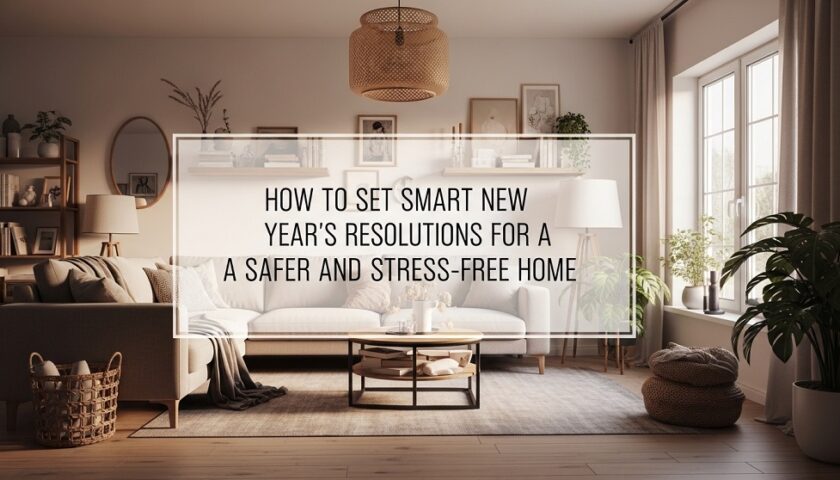
Small living rooms create daily frustration. Furniture feels crowded. Storage disappears quickly. Movement becomes awkward. Even beautiful décor can look messy when space is limited. Many homeowners believe only larger rooms can feel comfortable, stylish, and functional—but that assumption is incorrect.
The real issue is not square footage. It is layout strategy, furniture scale, lighting balance, and visual flow. When these elements work together, even the smallest living room can appear open, bright, and intentional.
This guide explains proven techniques interior designers use to maximize compact living rooms without renovation. These methods improve circulation, storage, brightness, and perceived space immediately.
What Are the Most Effective Ways to Decorate a Small Living Room?
Use light colors, vertical storage, multi-functional furniture, mirrors, layered lighting, slim-profile seating, smart zoning, and uncluttered layouts. These strategies increase perceived space, improve circulation, and create visual balance. When combined intentionally, they make compact living rooms feel larger, brighter, more comfortable, and more functional without structural renovation.
Decorating a small living room successfully depends on reducing visual weight while increasing functional flexibility. Most compact rooms fail because furniture blocks pathways, walls absorb light, and storage spreads clutter across visible surfaces.
Instead of removing personality, the goal is to guide attention strategically. Light tones expand walls visually. Raised-leg furniture exposes floor area. Mirrors extend sightlines. Vertical shelving frees horizontal surfaces.
Professional designers treat compact living rooms like spatial puzzles. Every object must justify its presence.
- Prioritize openness over quantity
- Choose furniture with visible legs
- Keep walkways at least 24 inches wide
- Limit large décor pieces
Once these foundations are in place, the room begins to feel intentionally designed rather than overcrowded.
How Should You Choose Furniture for a Small Living Room?
Select compact, raised-leg, and multi-functional furniture scaled to room proportions. Avoid oversized sofas and bulky armchairs. Choose slim silhouettes, nesting tables, and storage ottomans. Properly scaled furniture preserves walking space, improves layout flexibility, and visually enlarges the room.
Furniture selection determines whether a small living room feels breathable or cramped. Oversized seating blocks natural circulation paths and visually compresses walls.
Instead, choose pieces designed for compact environments. Apartment-sized sofas often provide equal comfort with less depth. Armless chairs reduce visual barriers. Transparent acrylic tables maintain openness.
Storage ottomans replace coffee tables while hiding blankets or books. Nesting tables slide away when not needed. Wall-mounted desks create workspace without occupying floor area.
Follow these selection rules:
- Keep sofa depth under 36 inches
- Choose chairs with exposed legs
- Use round tables instead of square ones
- Avoid matching bulky furniture sets
These adjustments improve movement flow immediately while preserving comfort.
Which Colors Make a Small Living Room Look Bigger?
Light neutral colors such as soft white, warm beige, pale gray, and muted pastels reflect light and visually expand walls. Using consistent tones across walls, furniture, and textiles reduces contrast edges, creating a continuous visual field that makes small living rooms feel wider and brighter.
Color influences perceived room size more than most people realize. Dark walls absorb light, shrinking spatial perception. High-contrast color combinations break visual continuity.
Instead, create a unified palette across surfaces. Matching wall color with curtains reduces boundaries. Similar-toned furniture blends naturally into surroundings.
Effective color strategies include:
- Painting walls and trim the same shade
- Using tone-on-tone upholstery
- Adding subtle texture instead of strong contrast
- Choosing light flooring when possible
Accent colors should appear sparingly through cushions or artwork. This maintains personality without reducing openness.
How Can Mirrors Improve the Appearance of Small Living Rooms?

Mirrors reflect natural light, extend sightlines, and visually double perceived depth. Positioning mirrors opposite windows or behind seating areas increases brightness and openness. Large mirrors create the strongest spatial illusion and significantly improve the visual size of compact living rooms.
Mirrors are among the fastest ways to expand visual space without changing layout. They amplify daylight and simulate additional architectural depth.
Placement determines effectiveness. A mirror directly across from a window spreads daylight across the room. A mirror behind a sofa increases perceived wall distance.
Best placement options include:
- Opposite windows
- Above consoles
- Behind seating
- Near entry points
Avoid placing mirrors where they reflect clutter or blank ceilings. Reflection quality matters as much as placement location.
What Lighting Techniques Make Small Living Rooms Feel Larger?
Layered lighting using ceiling fixtures, wall lights, and table lamps eliminates shadows and increases spatial depth. Even light distribution reduces visual compression. Warm white bulbs between 2700K and 3000K create balanced brightness without harsh contrast.
Poor lighting compresses space by creating dark corners and uneven brightness zones. Layered lighting corrects this instantly.
Combine three lighting types:
| Lighting Type | Purpose | Placement Example |
|---|---|---|
| Ambient | General illumination | Ceiling fixtures |
| Task | Reading or work zones | Table lamps |
| Accent | Highlight décor | Wall sconces |
Wall-mounted fixtures free floor space. Slim-profile lamps prevent visual clutter. Consistent lighting temperature maintains harmony across zones.
How Do Vertical Storage Solutions Save Space in Small Living Rooms?
Vertical shelving increases storage capacity without occupying floor area. Tall bookcases, wall-mounted cabinets, and floating shelves organize belongings efficiently while drawing the eye upward, making ceilings appear higher and rooms feel larger.
Floor-based storage consumes valuable circulation space. Vertical storage restores that space while improving organization.
Floating shelves create display zones without heavy visual weight. Ladder shelves combine openness with accessibility. Wall cabinets hide clutter while preserving minimal aesthetics.
Use vertical storage strategically:
- Install shelves above sofas
- Use tall narrow bookcases
- Add corner shelving units
- Mount media consoles to walls
These solutions maintain clean pathways while increasing functionality.
How Should Layout Be Arranged in a Small Living Room?
Arrange furniture around a clear focal point while maintaining open walking paths. Avoid pushing every piece against walls. Floating furniture slightly inward improves balance, circulation, and visual symmetry, making small living rooms feel intentionally designed rather than crowded.
Many homeowners mistakenly push all furniture to the walls. This creates empty centers but crowded edges.
Instead, create a conversational zone anchored around a focal point such as a television, window, or artwork.
Follow layout principles:
- Keep at least one central anchor piece
- Maintain 24–30 inches walkway clearance
- Use rugs to define seating zones
- Angle chairs slightly inward
This arrangement increases usability and visual harmony simultaneously.
How Can Décor Accessories Enhance a Small Living Room Without Clutter?
Select fewer but larger décor items instead of many small accessories. Use layered textiles, vertical artwork, and functional décor pieces like storage baskets. Limiting accessory quantity reduces visual noise while maintaining personality and style in compact living rooms.
Too many accessories fragment attention and reduce perceived space. Instead, choose intentional décor with clear purpose.
Large artwork creates vertical emphasis. Area rugs define seating areas. Storage baskets organize everyday items discreetly.
Smart accessory choices include:
- One statement wall artwork
- Two to three cushions per sofa
- Neutral textured throws
- Hidden storage baskets
Balanced decoration supports openness while preserving character.
Conclusion: Transforming a Small Living Room Into a Comfortable, Stylish Space
Small living rooms become functional and visually spacious when layout, lighting, furniture scale, and storage work together intentionally. The most effective strategy is reducing visual clutter while increasing vertical organization and reflective surfaces.
Light color palettes expand walls. Mirrors multiply brightness. Slim furniture improves circulation. Layered lighting removes shadows. Vertical shelving restores usable floor space.
These changes do not require renovation or large budgets. They depend on thoughtful placement decisions and strategic décor selection.
Start by adjusting furniture scale. Then improve lighting layers. Add mirrors opposite windows. Introduce vertical storage last. Each step increases comfort immediately.
Apply even three of these techniques today and your living room will begin to feel larger, calmer, and more usable within hours.
Frequently Asked Questions
What is the best sofa size for a small living room?
A sofa between 72 and 84 inches wide works best for compact living rooms. Choose slim arms and raised legs to maintain openness and preserve walking space.
Should small living rooms use dark colors?
Dark colors can work as accents, but light neutrals should dominate walls and furniture to reflect light and increase perceived room size.
Are rugs necessary in small living rooms?
Yes. Rugs define seating zones and create visual structure. Choose rugs large enough to sit under front furniture legs for balanced layout proportions.
Can a small living room include a coffee table?
Yes. Use nesting tables or storage ottomans instead of bulky coffee tables to maintain flexibility and improve functionality.
Where should mirrors be placed in compact spaces?
Place mirrors opposite windows or behind seating areas to reflect light and visually extend room depth.
How many décor items should be used in a small living room?
Limit décor to a few intentional pieces such as one artwork, a rug, cushions, and a plant to avoid visual clutter.
Does wall-mounted furniture really save space?
Yes. Wall-mounted shelves, consoles, and lighting free floor space, improve circulation, and make rooms feel larger instantly.
Read More Also: Home Makeover Magic: Hottest Remodeling Trends to Refresh Your Space
Learn More: Top Advantages of Hiring a Home Remodeling Services Company