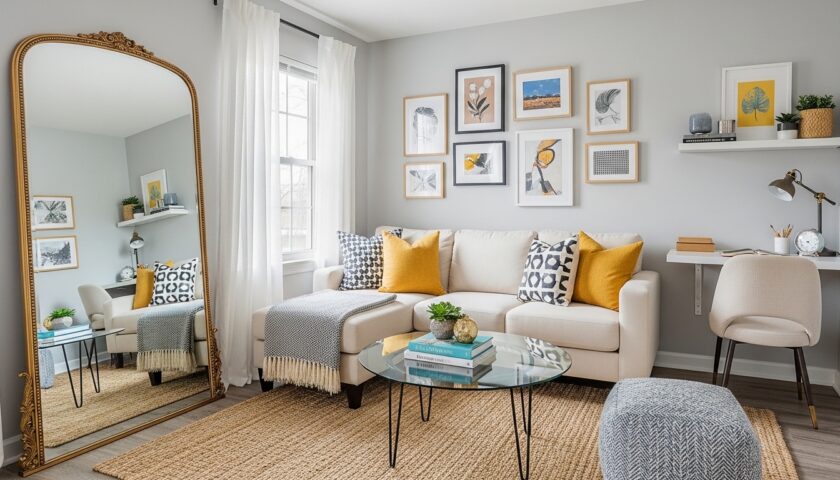
Smart home-focused New Year’s resolutions are realistic, measurable actions that improve household safety, reduce daily stress, and create healthier routines through intentional upgrades, habits, and systems.
Many people start the year with personal fitness or financial goals—but overlook the place that shapes their daily mood, productivity, and safety most: their home. Clutter increases stress. Poor lighting increases accident risk. Weak digital security exposes families to threats. And small maintenance issues quietly become expensive emergencies.
A safer and stress-free home isn’t built with one big change. It’s created through simple, structured decisions repeated over time. That’s exactly where SMART resolutions work best.
Setting home-focused resolutions means improving fire safety, organizing high-risk spaces like kitchens and bathrooms, strengthening home security, reducing indoor health hazards, and building routines that lower cognitive overload. According to environmental psychology research, organized and predictable living environments are directly linked to reduced anxiety and improved sleep quality.
This guide explains how to create practical, achievable home resolutions that improve safety, reduce stress triggers, and build long-term stability for your household.
Why should your New Year’s resolutions focus on home safety and stress reduction?
Home-focused resolutions reduce daily risk exposure, improve mental clarity, and prevent costly emergencies by addressing overlooked hazards and lifestyle friction points.
Your home influences sleep quality, emotional regulation, productivity, and physical safety more than almost any other environment. Yet most households postpone improvements until something breaks.
Consider these realities:
- Falls are one of the most common household injuries worldwide
- Kitchen fires remain a leading cause of residential emergencies
- Indoor air quality directly affects respiratory health
- Clutter increases cortisol levels and reduces focus
- Weak digital security exposes families to identity theft
Small preventive actions dramatically reduce these risks. Replacing smoke detector batteries takes minutes. Installing motion lighting prevents nighttime falls. Creating a cleaning routine reduces allergens.
Resolutions centered on your home produce visible daily benefits instead of abstract long-term promises.
What makes a home safety resolution “SMART” and effective?
A SMART home resolution is specific, measurable, achievable, relevant, and time-bound so it produces real improvements instead of vague intentions.
Generic resolutions fail because they lack structure. Compare the difference:
| Weak Resolution | SMART Resolution |
|---|---|
| Make my home safer | Install smoke detectors in hallway and kitchen before February |
| Declutter house | Organize one storage area every Saturday for 8 weeks |
| Improve security | Upgrade door locks and add outdoor lighting this month |
SMART goals reduce procrastination by turning intention into action steps. They also make progress visible and motivating.
Which areas of the home should you prioritize first for safety improvements?
Start with high-risk zones like kitchens, bathrooms, entrances, and sleeping areas because they account for most household accidents and emergencies.
Improving these spaces first delivers the fastest safety gains.
Kitchen safety priorities
- Install fire extinguisher within reach
- Check gas connections
- Keep flammable items away from stoves
- Label storage containers clearly
- Improve ventilation
Bathroom safety priorities
- Add anti-slip mats
- Install grab bars if needed
- Improve lighting
- Fix water leaks quickly
- Use moisture-resistant storage
Bedroom safety priorities
- Install smoke detectors
- Check electrical outlets
- Reduce clutter near exits
- Improve nighttime lighting
Addressing these areas first creates immediate protection improvements for everyone in the household.
How can decluttering reduce stress inside your home?
Decluttering lowers mental overload by reducing visual distractions and making everyday tasks faster and easier to manage.
Studies in environmental psychology show clutter competes for attention, which increases fatigue and decreases productivity. A tidy environment supports clearer thinking and emotional stability.
Instead of attempting a full-home reset, focus on small weekly zones:
- Entryway shoe storage
- Kitchen counters
- Desk workspace
- Wardrobe shelves
- Bathroom cabinets
This approach creates quick wins that build momentum.
What simple security upgrades improve home safety quickly?
Installing better locks, lighting, and monitoring systems significantly reduces burglary risk without major renovations.
Home security improvements do not require expensive smart-home setups. Start with these practical upgrades:
- Reinforce door locks
- Add motion-sensor outdoor lighting
- Install peepholes or cameras
- Secure windows with latches
- Keep emergency contacts visible
Visible security features alone often discourage unauthorized entry attempts.
How does indoor air quality affect stress and health at home?
Cleaner indoor air improves sleep quality, concentration, and respiratory health by reducing allergens, pollutants, and humidity imbalance.
Many homes trap dust, mold spores, cooking smoke, and chemical residues from cleaning products. Over time, these contribute to fatigue, headaches, and breathing irritation.
Simple improvements include:
- Opening windows daily for ventilation
- Using exhaust fans while cooking
- Replacing HVAC filters regularly
- Adding indoor plants
- Reducing synthetic fragrances
Even small ventilation improvements create noticeable comfort changes within weeks.
What maintenance resolutions prevent expensive emergencies later?
Routine inspections of plumbing, wiring, and appliances prevent breakdowns that cause damage, safety risks, and unexpected repair costs.
Preventive maintenance is one of the most overlooked household resolutions. Yet it offers the highest long-term savings.
Create a quarterly checklist:
- Check water leaks
- Inspect electrical cables
- Test smoke alarms
- Clean drainage systems
- Service heating or cooling equipment
These tasks take little time but prevent major disruptions later.
How can better lighting reduce accidents and anxiety at home?
Layered lighting improves visibility, supports sleep rhythms, and reduces fall risk in high-traffic areas.
Poor lighting increases injury risk and contributes to eye strain and mood fatigue. Strategic lighting upgrades transform both safety and comfort.
Focus on these locations first:
- Hallways
- Staircases
- Entryways
- Bathrooms
- Outdoor walkways
Warm lighting in bedrooms improves relaxation, while bright task lighting improves kitchen and workspace safety.
How do digital safety habits contribute to a stress-free home environment?
Strong digital security protects personal information and reduces anxiety related to identity theft, privacy risks, and online scams.
Modern home safety includes cybersecurity. Families now manage banking, education, work, and communication from connected devices.
Important resolutions include:
- Updating router passwords
- Using two-factor authentication
- Backing up important files
- Installing antivirus protection
- Limiting unknown device connections
Digital protection supports long-term household stability.
What daily routines help maintain a calm and organized home year-round?
Simple structured routines prevent clutter buildup and reduce decision fatigue across the household.
Consistency matters more than intensity. Instead of occasional deep cleaning, create small predictable habits.
- Five-minute nightly reset
- Weekly laundry schedule
- Monthly storage review
- Quarterly maintenance checks
- Seasonal decluttering
These routines maintain order without overwhelming effort.
How can families involve everyone in home safety resolutions?
Shared responsibility increases consistency, awareness, and long-term success of household safety habits.
Safety improves when everyone participates. Children learn responsibility. Adults reduce workload pressure.
Examples include:
- Assigning weekly organization roles
- Practicing emergency exit plans
- Teaching safe appliance use
- Creating shared cleaning checklists
- Reviewing digital safety rules together
Participation turns safety into a household culture rather than a single-person task.

Conclusion: How do smart home resolutions create lasting peace of mind?
Smart New Year’s resolutions improve safety, reduce stress triggers, and build predictable routines that make daily living easier and more secure.
A calmer home rarely happens by accident. It’s built through deliberate habits like decluttering weekly, checking safety equipment regularly, improving lighting conditions, and strengthening entry-point security. Each small change compounds into a healthier environment.
The strongest resolutions are simple, visible, and repeatable. Start with one improvement this week—install better lighting, organize one storage space, or test smoke alarms. Then build from there.
Over time, these steps transform your home into a place that supports focus, comfort, and long-term well-being instead of stress and uncertainty.
Choose three safety-focused actions today and schedule them. A safer year begins at your front door.
FAQ: Smart New Year’s Resolutions for a Safer and Stress-Free Home
What is the easiest home safety resolution to start with?
Testing smoke detectors and replacing batteries is the quickest and most effective first step toward improving household safety.
How often should home maintenance tasks be scheduled?
Basic inspections should happen quarterly, while deep maintenance checks such as plumbing or electrical reviews should occur annually.
Can decluttering really improve mental health?
Yes, reducing clutter lowers visual distractions and stress hormones, improving focus and emotional stability.
What are the most common home safety risks people ignore?
Loose wiring, poor lighting, slippery bathroom floors, blocked exits, and outdated security locks are frequently overlooked hazards.
Are smart home devices necessary for better home security?
No, simple upgrades like reinforced locks, motion lighting, and window latches provide strong protection without expensive technology.
How can families maintain safety habits long term?
Creating shared routines, assigning responsibilities, and reviewing safety checklists monthly keeps improvements consistent year-round.
Read More Also How to Set Smart New Year’s Resolutions for a Safer and Stress-Free Home
Discover More How to Select Luxury Bikini Sets for a Stylish Beach Look